
SHARE:


Botanically Dyed and Sewn Komebukuro Bag with Cheryl Desjardin
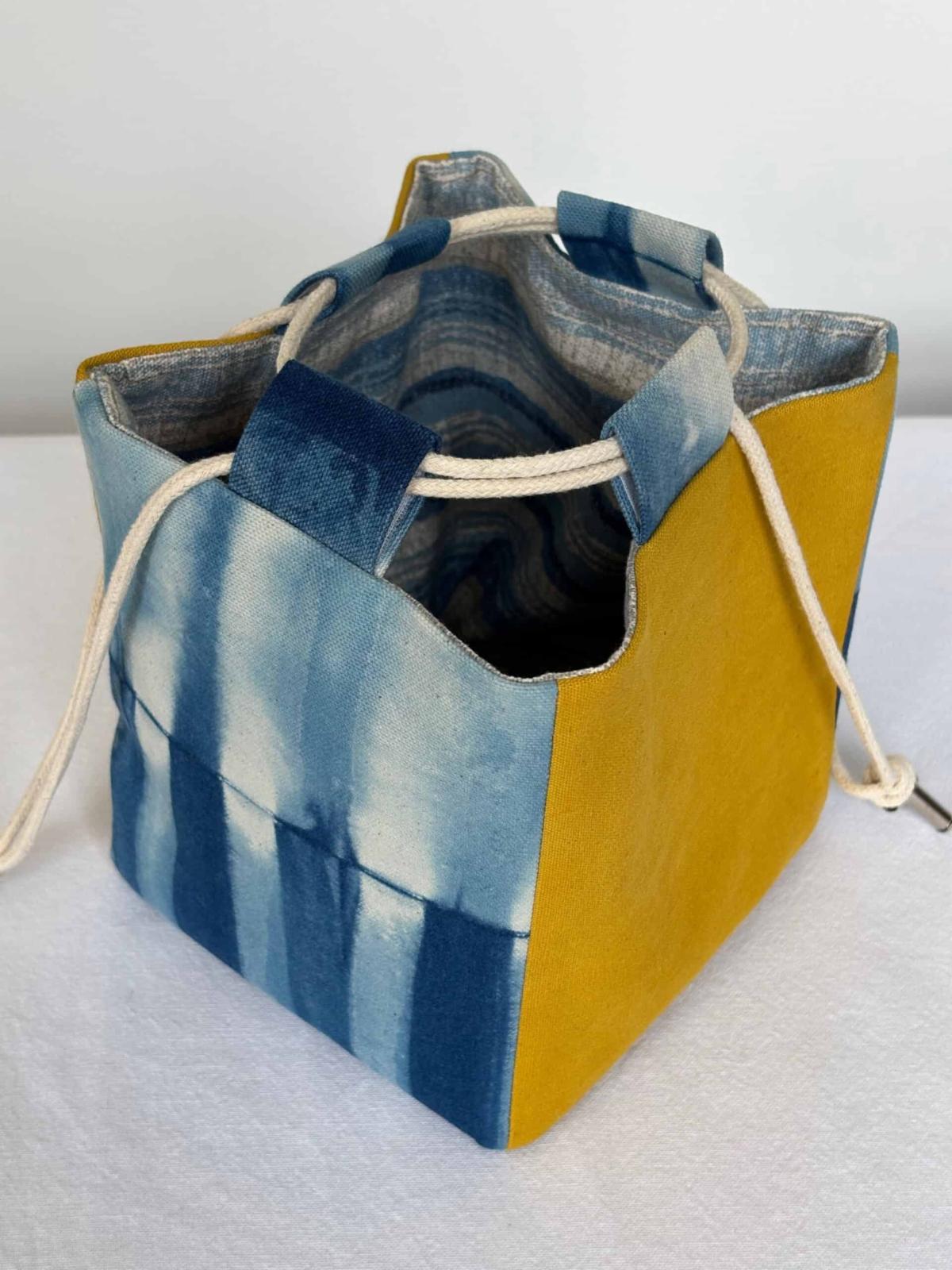
Cheryl Desjardin will lead a hands-on workshop at Sanborn Mills Farm for students interested in learning natural dyeing techniques and creating their own Botanically Dyed and Sewn Komebukuro Bag. Designed for students with basic sewing skills, the class introduces techniques that combine traditional botanical dyeing with practical bag construction.
During this 4-day workshop, participants will first learn how to mordant and dye cellulose fabric using botanical dyes, then explore Shibori techniques and dye fabric with indigo. This hand-dyed yardage will then be used to create their unique project bag. Students will be guided through designing and sewing the Komebukuro bag, starting with cutting outer and lining pieces, constructing with sewing machines, and adding drawstring tabs and cap ends. The final drawstring bag measures approximately 8” high x 6” wide.
Along the way, students will learn basic mordanting of cellulose fabric, natural dye on cellulose, basic Shibori techniques, indigo vat dyeing, measuring and cutting simple pattern pieces, sewing exterior and interior sections with corners, using fusible interfacing, and adding drawstring elements. Each participant will leave with their own completed, one-of-a-kind Komebukuro bag.
Students should have at least basic sewing skills and be comfortable using a sewing machine to construct simple items. Sanborn Mills Farm has two sewing machines available to loan on a first-come, first-served basis. An apron and rubber gloves are recommended for the dyeing portion. Materials fee is $15 paid directly to the instructor.
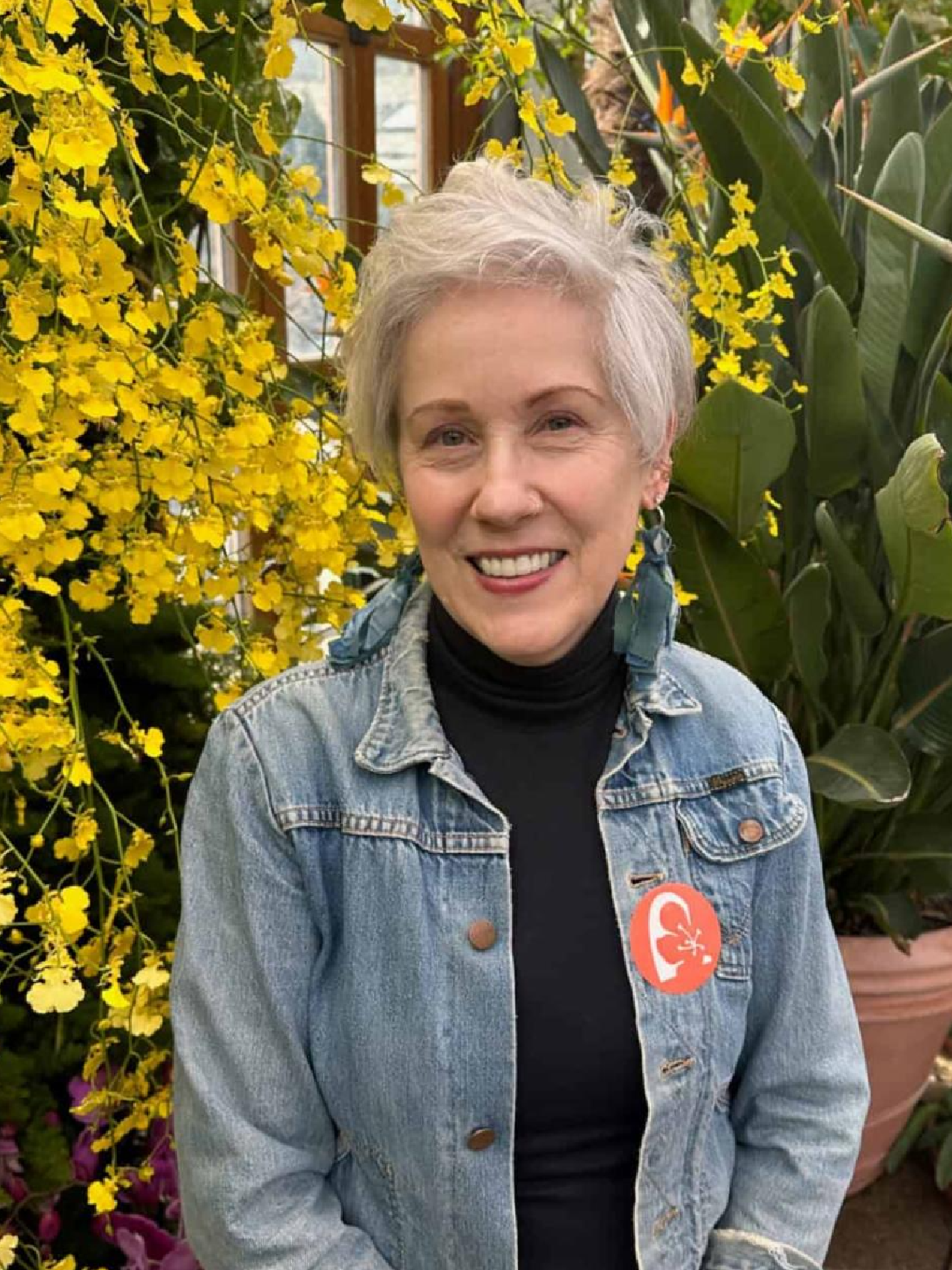
Desjardin’s path to natural dyeing began in childhood in Boston, where she would extract pigments from plants and berries to make her own paints. This early fascination with natural color grew out of a deep love for nature and later evolved into a dedicated practice.
Today, she works exclusively with natural materials – plants, flowers, leaves, bark, nuts, and even food waste such as onion skins and avocado – many of which she grows, respectfully forages, or sources from eco-conscious suppliers. Using traditional techniques that date back hundreds or even thousands of years, including shibori, natural dyeing, botanical imprinting, hand stamping, drawing, and painting, she transforms natural fibers such as cotton, silk, and linen into vibrant, textural works. From these hand-dyed fabrics, she creates Japanese-inspired Komebukuro bags, cross-body bags, wristlets, wallets, vessels, wearable accessories, and upcycled clothing—each piece hand-dyed, hand-sewn, and made with care for both craft and environment.
A classically trained graphic designer with a career spanning three decades, she studied surface design on fabric at the Penland School of Craft in North Carolina and the Massachusetts College of Art and Design. She learned to sew from her mother and her public school home economics teacher, both of whom instilled in her a love of making by hand. Her work explores the boundaries between art, craft, and design as she celebrates textile craft as a meaningful and expressive art form.
The workshop offers participants an opportunity to learn a beautiful fusion of traditional craft and modern design from an experienced artist while gaining the skills needed to continue creating with natural dyes and sewing on their own long after the class ends.
Botanically Dyed and Sewn Komebukuro Bag July 9-12
Raised Copper Vessels with Ian McCarthy
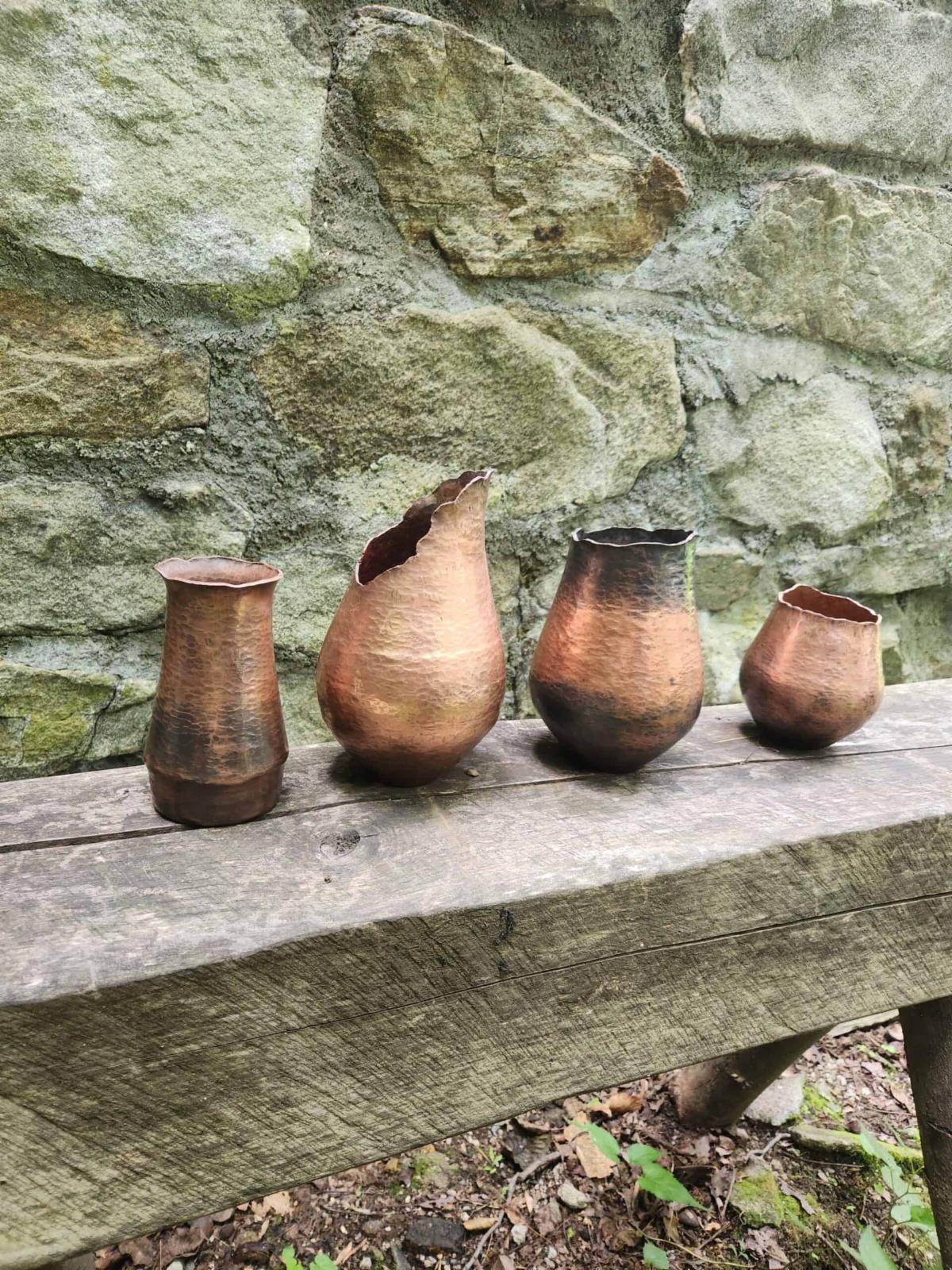
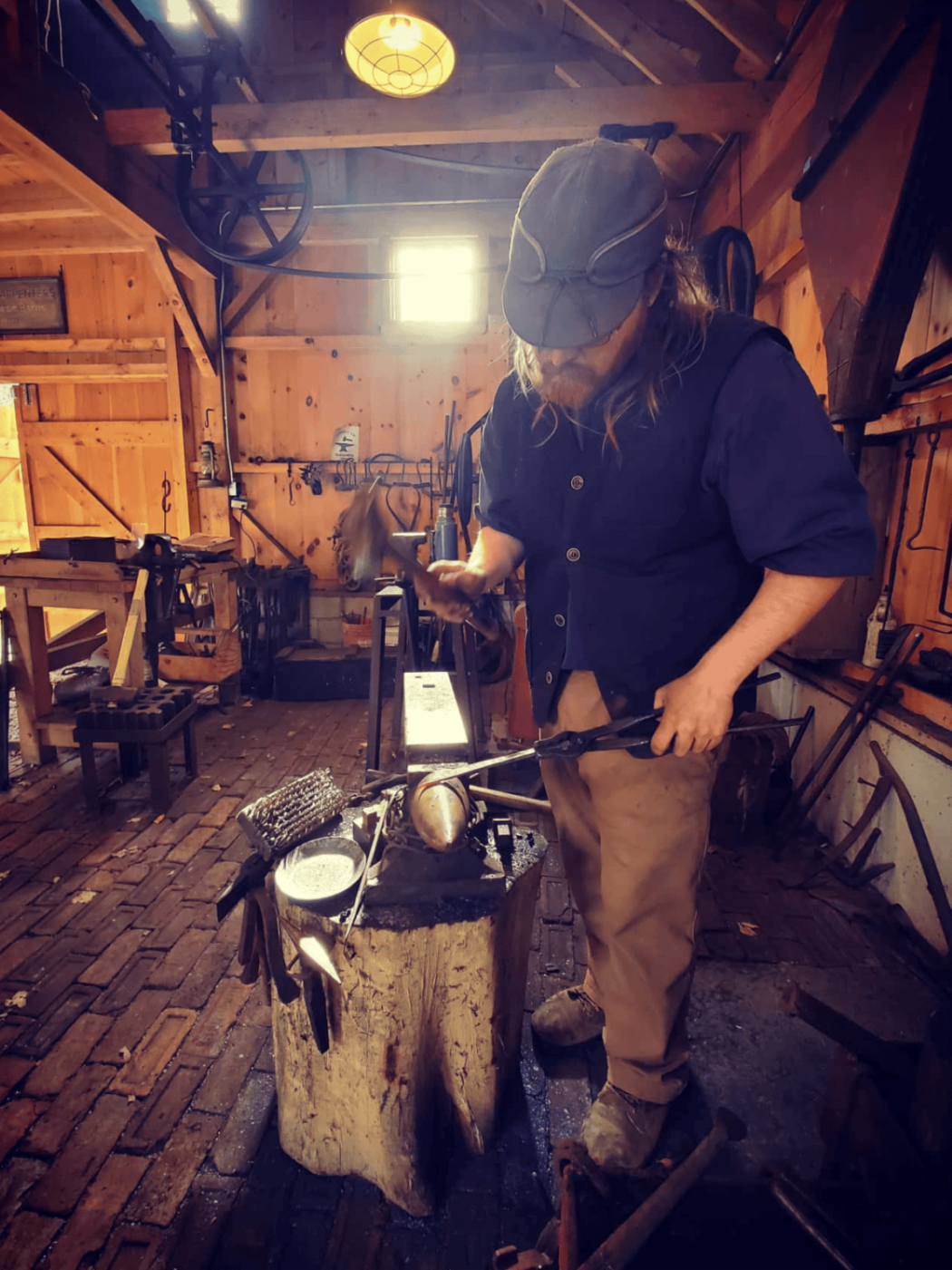
Ian McCarthy will lead a hands-on workshop at Sanborn Mills Farm for students interested in learning the traditional craft of raising sheet metal into hollow vessels. Designed for beginners and experienced makers alike, the class introduces techniques that transform flat sheet metal into functional and sculptural three-dimensional forms.
In this 3-day workshop, participants will begin by working through the process on a small tin-lined copper drinking cup before moving on to a larger student-designed project such as a flower vase, pitcher, or sculptural vessel. Along the way, students will learn key skills including annealing copper, safe torch operations, dishing sheet metal, hand wiped tin lining, stake anvil use, and applying copper patinas and finishes. Each participant will leave with their completed copper drinking cup and a larger raised vessel of their own design.
Students should expect long, rewarding days of hammering. While the tools and materials are on the smaller side, raising is a physically demanding process that requires moderate strength and stamina.
McCarthy has been a blacksmith for almost a decade with a shop focus on cookware and cooking utensils. He combines simple forged techniques to shape items with functional design and purpose.
Today, Ian is a member of the Connecticut Blacksmith Guild and a frequent demonstrator at the Connecticut Antique Machinery Association, Connecticut Blacksmith Guild, and Eris Sloane Museum. He teaches at the Brookfield Craft Center, Adirondack Folk School, and Peters Valley School of Craft. He has participated in guest artist residencies at Penland School of Craft and The Center for Metal Arts.
The workshop offers participants an opportunity to learn a traditional metalsmithing craft from an experienced blacksmith while gaining the skills needed to continue raising copper vessels on their own long after the class ends.
Raised Copper Vessels July 10-12
Shaker Style Step Stool with Kolin James Schmidt
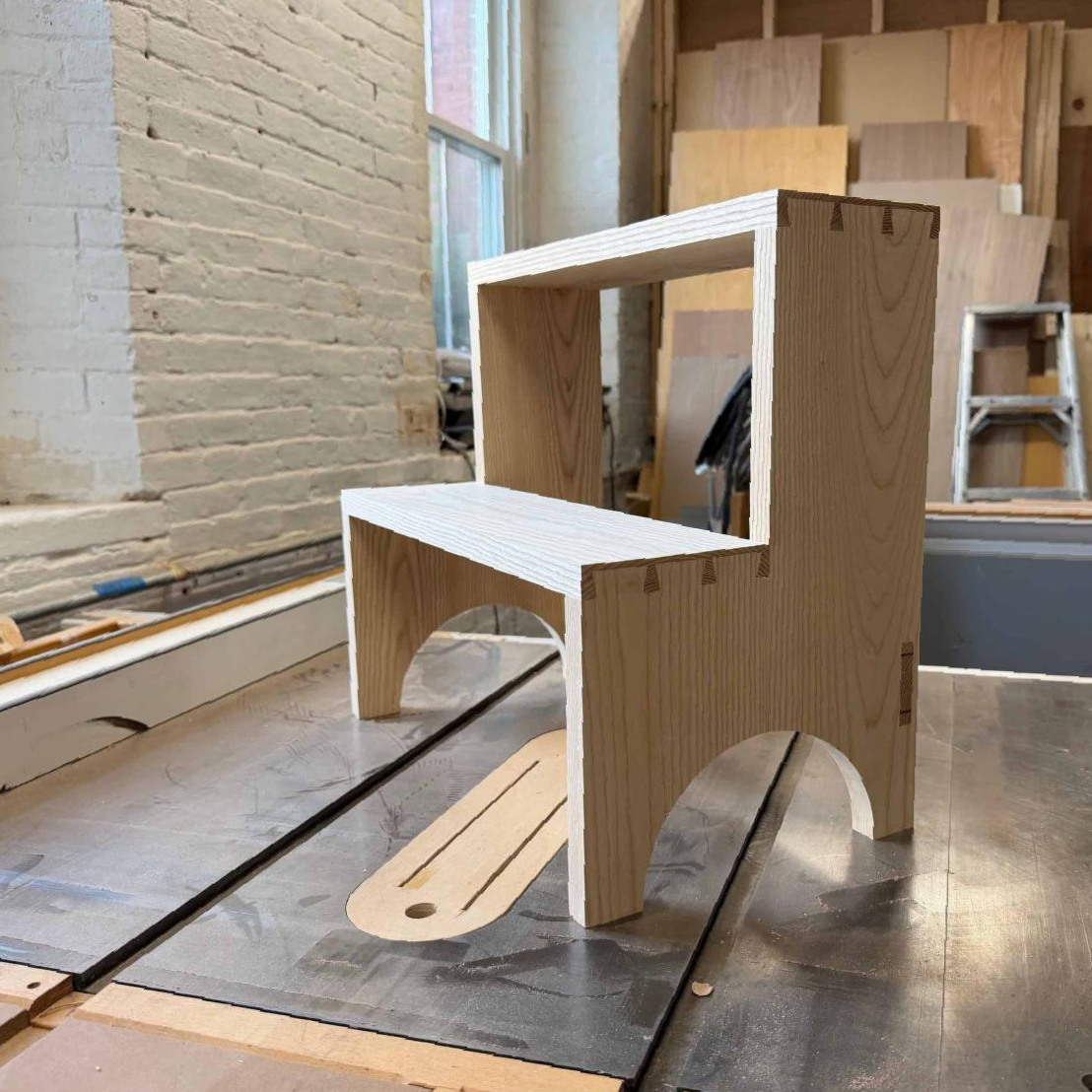
Kolin James Schmidt will lead a hands-on workshop at Sanborn Mills Farm for students interested in traditional furniture making and building a Shaker Style Step Stool. Designed for beginners and experienced makers alike, the class introduces techniques that produce a sturdy, functional two-step stool inspired by those used in Shaker communities in America.
In this workshop, participants will learn to hand cut and fit both dovetail and mortise and tenon joinery. Students will use hand tools to add detail and achieve finished surfaces, while also discussing finishing options and possible variations of the piece. Along the way, students will explore joinery layout, aesthetic decision making, hand-cut joinery, optional detailing, hand tool use, table saw use, and bandsaw use. Each participant will leave with their completed Shaker Style Step Stool.
While prior woodworking experience is helpful, it is not required. Students should be prepared for focused hand tool work and some machine use.
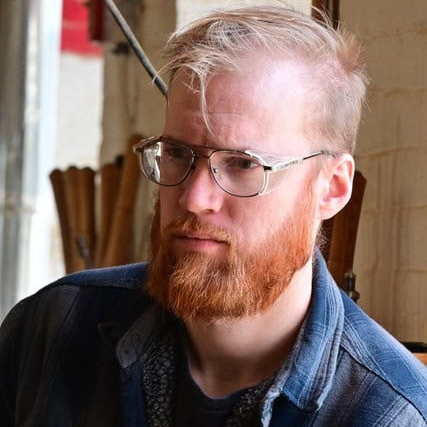
Schmidt is a furniture maker and educator currently based in Eastern New Hampshire. He has studied 17th through 19th century furniture building methods and learned to incorporate modern machine techniques to produce the highest possible quality wooden objects with efficiency. He has also researched various eras of design and production to better inform his own practice.
Kolin has degrees in Furniture Making from The North Bennet Street School and Architecture from Kirkwood Community College. His work is informed by the belief that skillful work, rather than lavish adornment, gives a piece its beauty. He is most excited by objects made out of necessity rather than desire, and he strives to create pieces with strong lines, perfect functionality, and the ability to last for generations.
The workshop offers participants an opportunity to learn traditional joinery and furniture-making techniques from an experienced maker while gaining the skills needed to continue building fine wooden objects on their own long after the class ends.
Shaker Style Step Stool July 11-12


Our Company | Contact Us | FAQs | Privacy Policy
Meaningful Rug Hooking: Planning and Design
July 11-12
Mariah Krauss
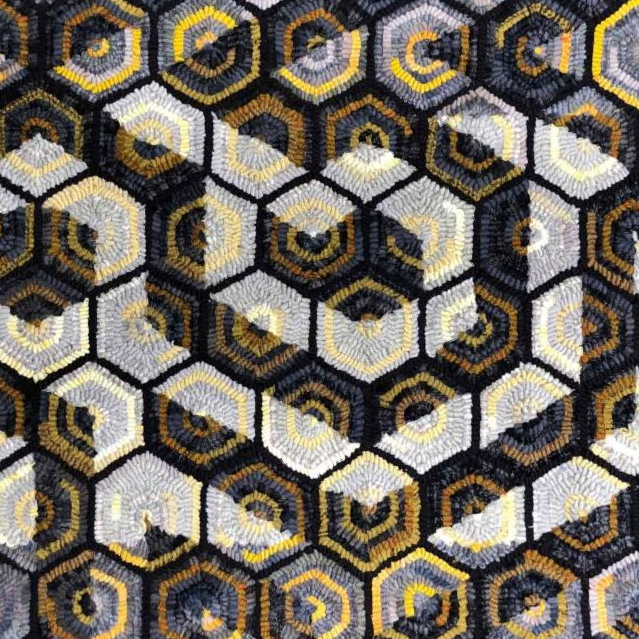
Discover how to put a modern spin on the time-honored American craft of rug hooking in this all-levels workshop focused on planning and design. Students will explore the powerful use of color, value, and intensity to tell compelling stories and evoke emotion, while learning to create meaningful compositions with hidden symbols and thoughtful design – whether starting fresh projects from the ground up or reimagining stuck works-in-progress.
Sanborn Mills Farm | 7097 Sanborn Road | Loudon, NH 03307 US