Traditional Clay Brazed Bell
Cold-form a steel bell, encase it in a clay shroud mixed with farm flax by-product, then forge-braze it in the fire.
Registration opens Monday, November 30 at 8 a.m.
April 3 – 4, 2027
Saturday – Sunday
9 a.m. to 5 p.m.
Tuition $352
Plus a meal plan, from $40
Staying on the farm: free tent camping, or a room from $65
It's saved in this browser. Sign in to keep your saved workshops on any device.
The workshop
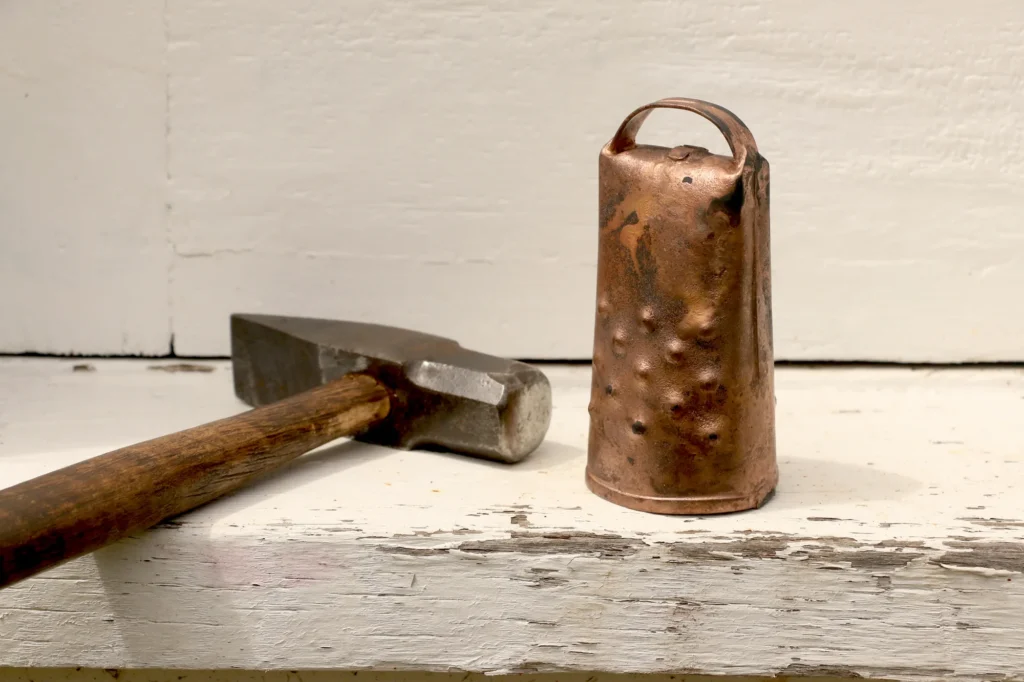
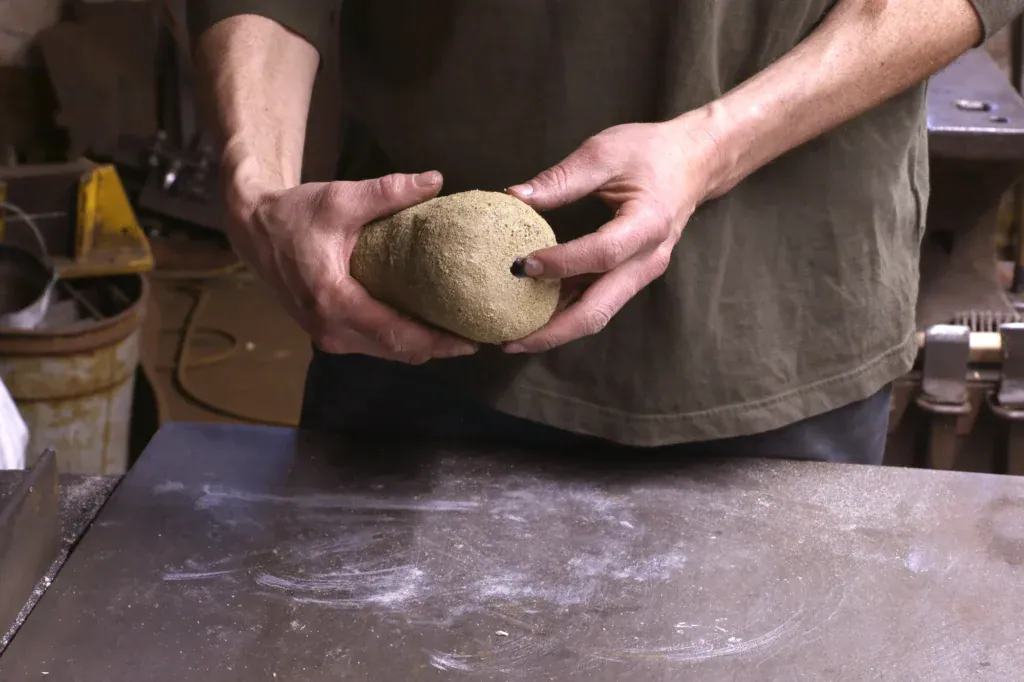
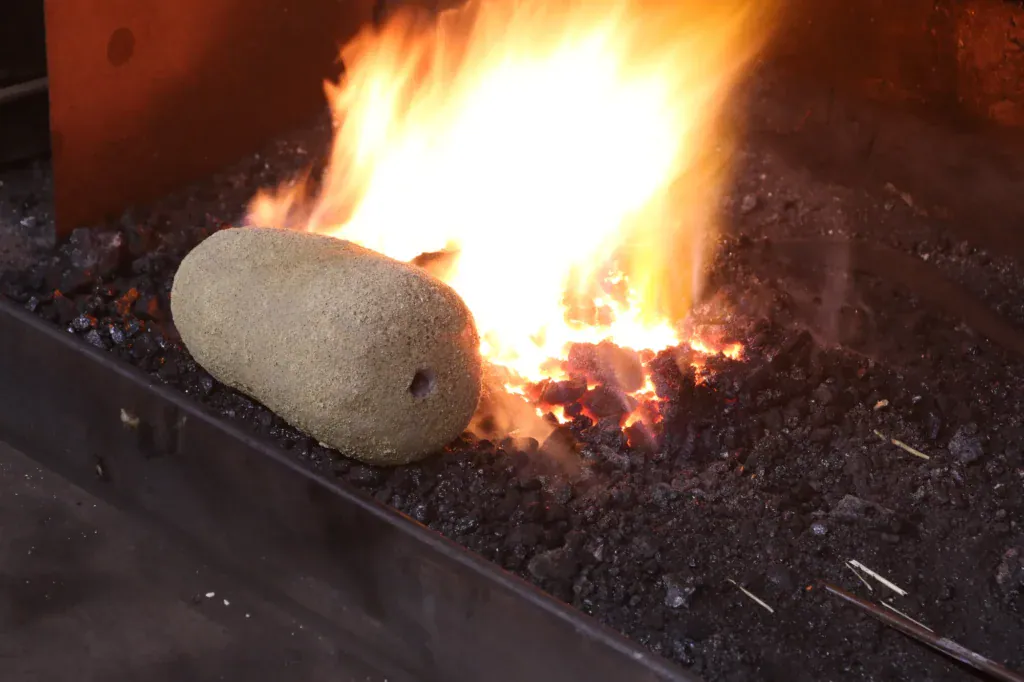
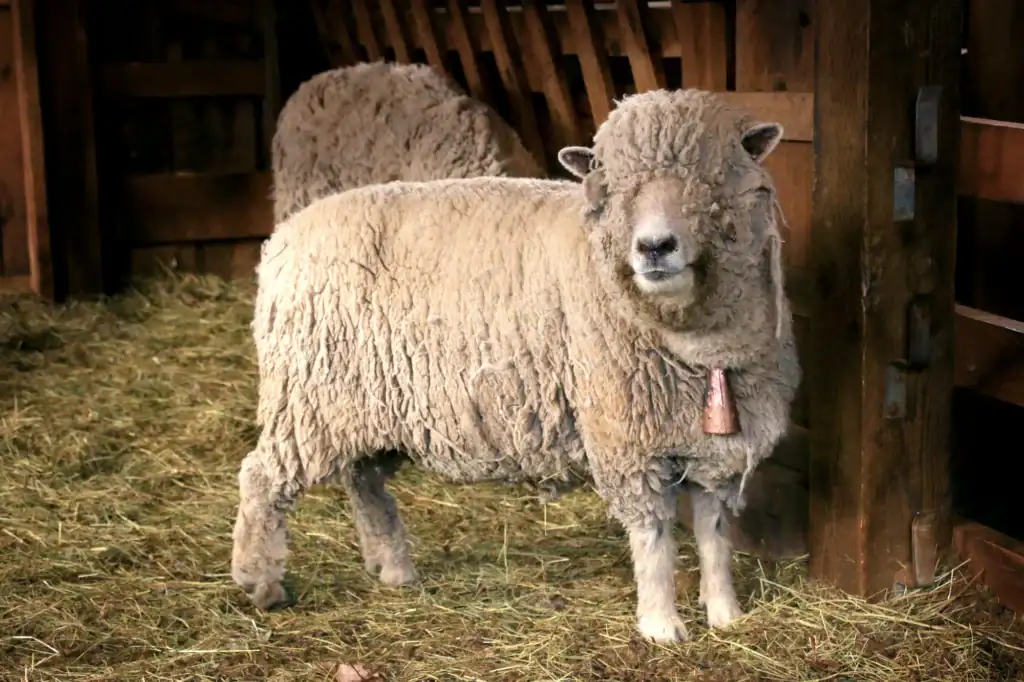
Learn the ancient technique of forge brazing utilizing a clay shroud. This technique has been used for over a thousand years and has many applications (such as locksmithing, manufacturing vise boxes and repair work), but in this workshop we will be taking a look at forming a bell suitable for sheep and other ruminants. Students will learn to cold-form steel into a bell before encasing it in a protective clay covering for the final fire. This brazing process is time consuming and will require patience and attention from the students.
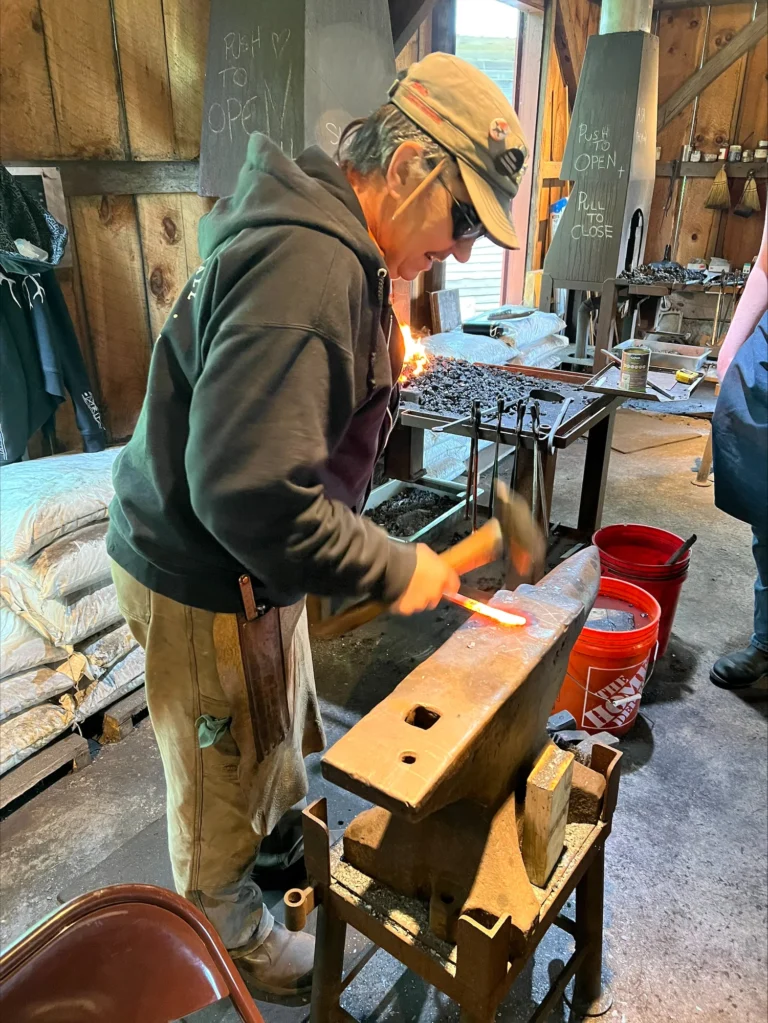
A unique feature of this session is our clay mixture will include a flax by-product harvested and processed right here on the farm, creating a truly circular crafting experience. Students should be comfortable working with a hammer (sometimes working close to their hand and fingers) delivering precise blows and tending to a coal fire. Fires will likely be larger than most are used to forging in. Previous work with sheet metal will be a plus, but not required.
Materials fee is $10 paid directly to the instructor. Fee covers consumables such as 24g sheet metal, metal wire, brass, clay, sand, leather and string. Coal is assumed to be provided by the farm.
Bring work gloves (preferably tight fitting; oversized and loose gloves may be too cumbersome), a small bench hammer with a narrow cross peen, and a water bottle.
Please read the workshop policies before registering.
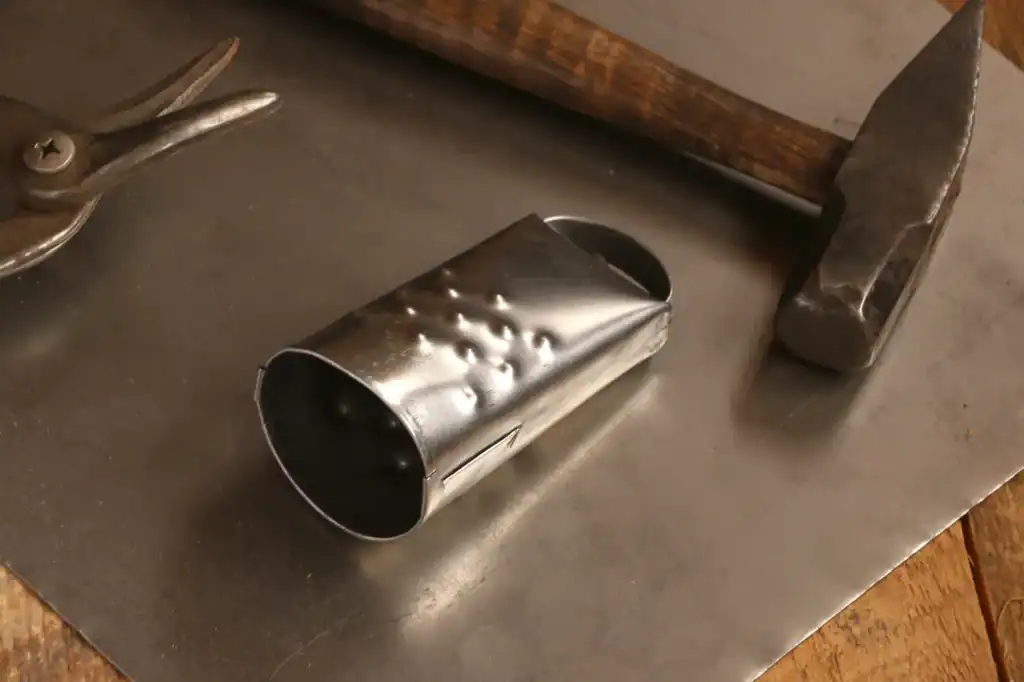
You take home
A clay-brazed steel bell suitable for sheep and other ruminants.
Skills and techniques
- Pattern Layout
- Forming Cold Sheet Metal
- Understanding the basics of brazing
- Understanding ingredients and mixing the correct ratio for the clay shroud
- Forge Brazing with a clay shroud
Before you come
Details for students
Experience needed
Students should be comfortable working with a hammer (sometimes close to hand and fingers) delivering precise blows and tending to a coal fire. Previous work with sheet metal is a plus but not required.
Materials
$10 paid directly to the instructor. Covers 24g sheet metal, metal wire, brass, clay, sand, leather and string. Coal assumed provided by the farm.
What to bring
Bring work gloves (preferably tight fitting), a small bench hammer with a narrow cross peen, and a water bottle.
The work
Two full days. Larger coal fires. Precise hammer work close to the hand.
What it costs
- Tuition
- $352
- Lunch, two days
- $40
Plus the materials fee (see Materials).
You choose lunch on each workshop day or all meals, from a regular menu or a vegetarian or vegan menu. The kitchen can no longer accommodate food allergies; students with a severe allergy bring their own food, and a shared refrigerator and microwave are available. Housing, meals, and any extra nights are chosen when you register.
Where
One of the farm's studios, confirmed at check-in. See the campus
Staying on the farm
Housing, meals, the daily schedule, and places to stay nearby are on Prepare for your workshop.
Your instructor
Thomas Boucher
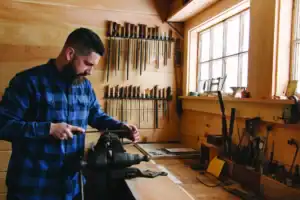
Thomas Boucher began forging in 2012. After a few years he narrowed his focus to traditional locksmithing, making handmade locks and keys. It’s not just about the end product. It’s about the process. Thomas does a lot of research into lock construction and the tools used to make them. Thomas is driven by his mission statement: ‘Rediscovering and exploring techniques to make handmade locks and keys and sharing the knowledge gained along the way.’ Thomas has spent the past few years researching and writing books to help others interested in this craft.
Questions about this workshop, housing, or meals? Email registrar@sanbornmills.org or call (603) 435-7314. Please read the workshop policies before you register.