Mordant Printing and Painting with Natural Dyes
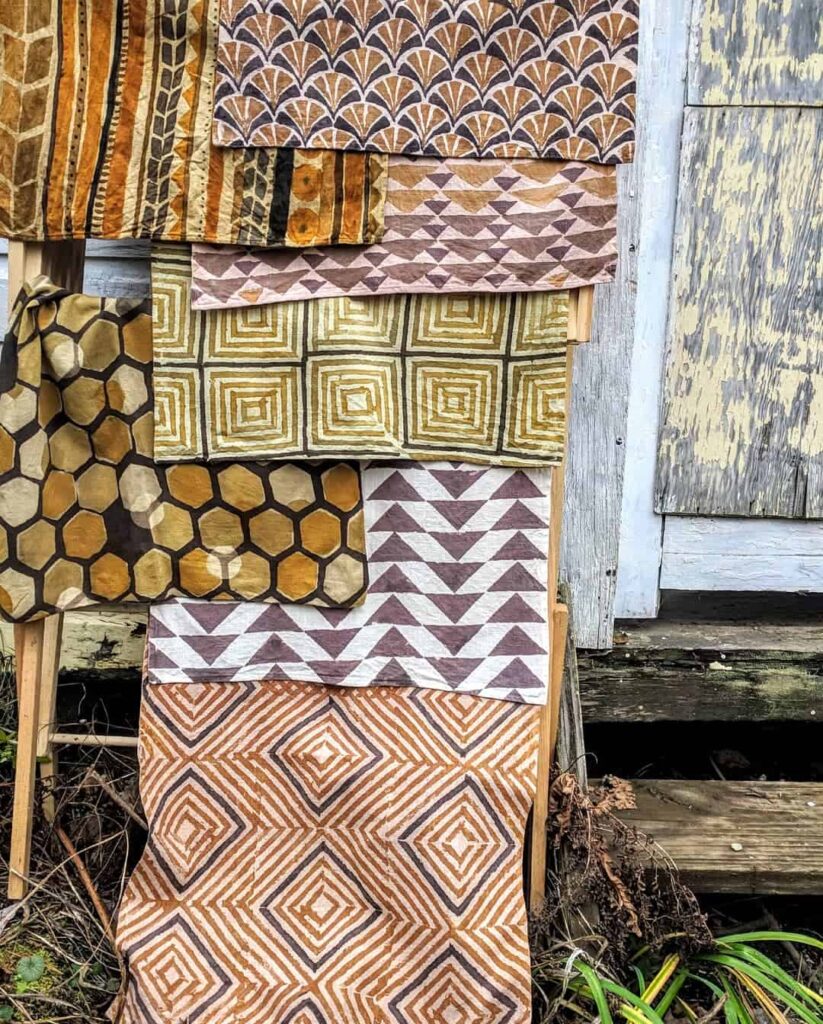
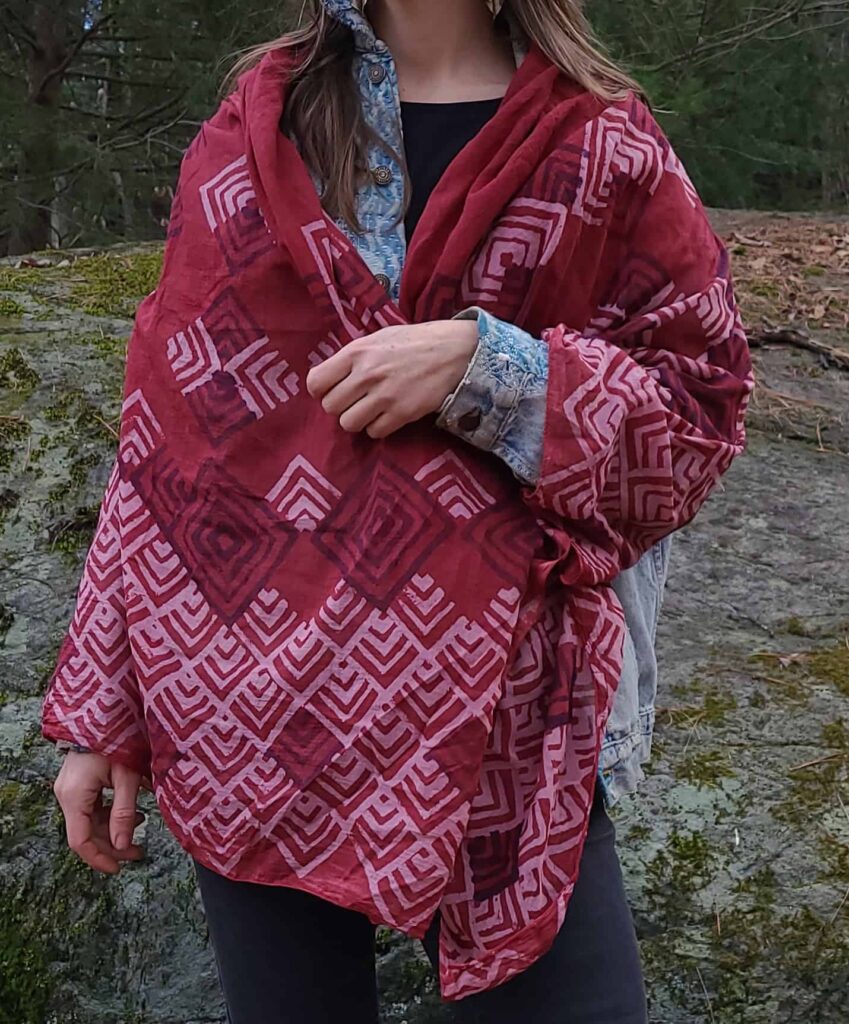
In this class we will explore the world of mordant printing with natural dyes; each participant will design and create their own stamps, and several unique printed cloth pieces dyed with locally grown or foraged plants.
Not scheduled right now. Last taught 2026.
It's saved in this browser. Sign in to keep your saved workshops on any device.
The workshop
In this class we will explore the world of mordant printing with natural dyes; each participant will design and create their own stamps, and several unique printed cloth pieces dyed with locally grown or foraged plants.
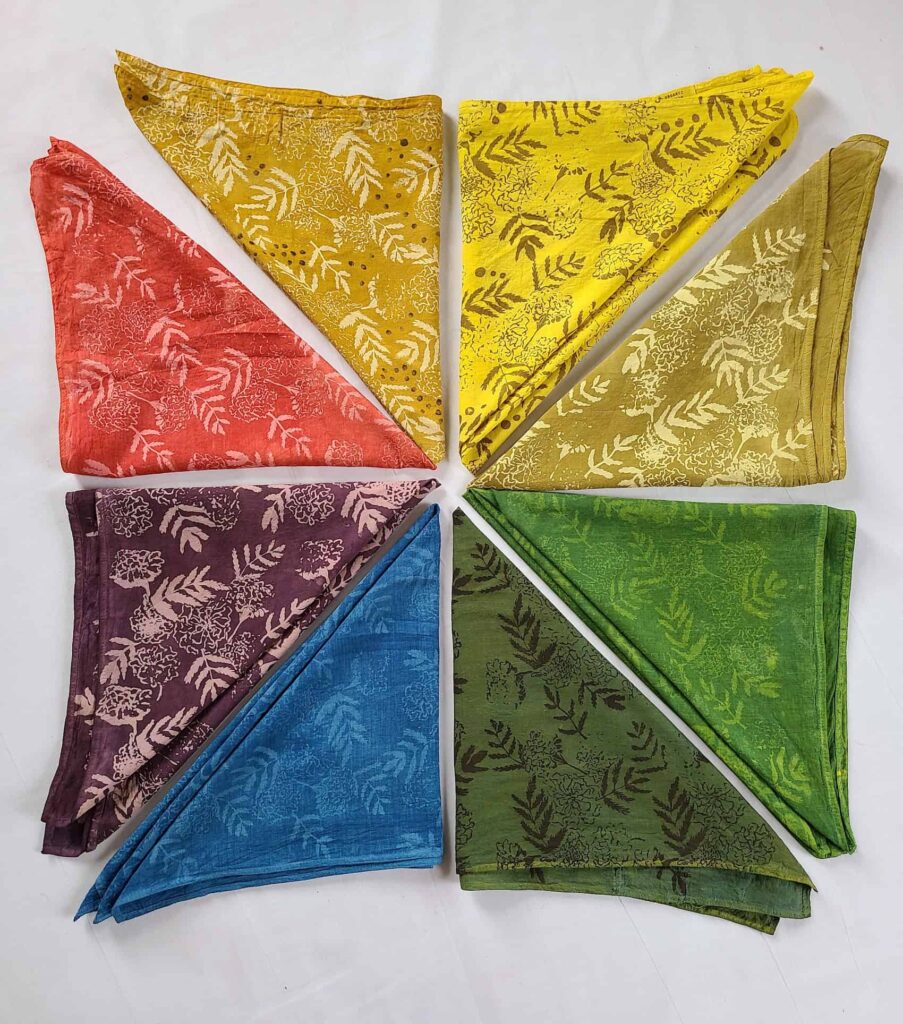
Mordants are substances, generally metallic salts that are used in combination with natural dyes to create lasting colors on cloth. Mordants can shift the tone and saturation of natural dyes such that, with the use of different mordant combinations, a wide range of colors can be created on a single piece of cloth, and even from a single dye vat!
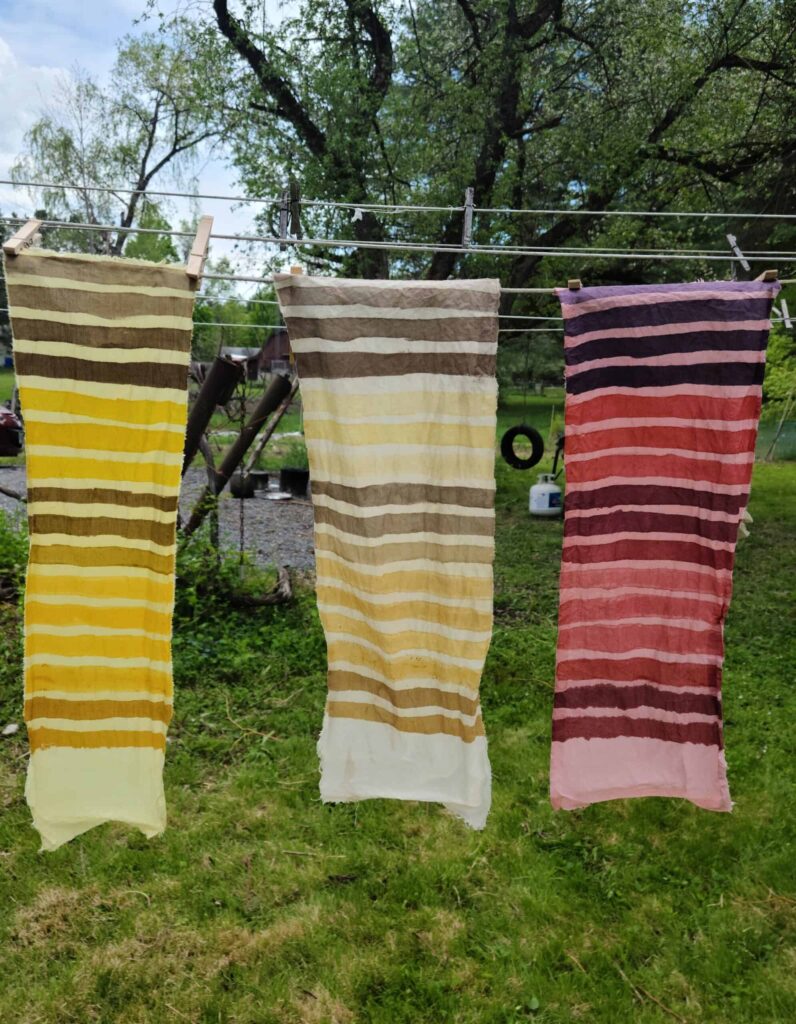
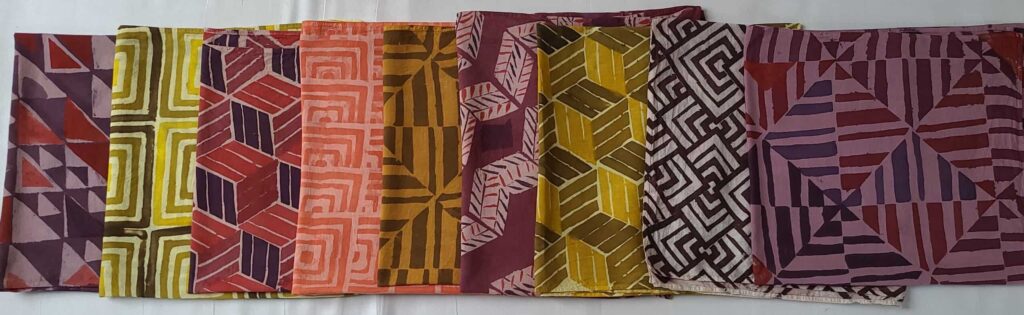
While the mordant process usually involves heating mordant solutions, we will be using cold mordant applications to lay down a background color, and then create thickened mordant pastes to paint and print designs on cotton cloth. Inspired by traditional surface design techniques, we will make at least three dye vats with locally grown and foraged plants (madder, weld, and sumac) to create a wide range of shades and patterns on cloth. We will cover fabric preparation, making a printing surface, stamp making and design, natural dye chemistry and history, as well as post- dyeing fabric care. Students will create a color reference chart on cloth to use in future dyeing endeavors, as well as several samples on cotton.
This class would be great for folks with some natural dyeing and print-making experience, and is suitable for beginners as well.
Skills and techniques
- Natural dyeing best prac4ces on cellulose
- Mordantng basics for cellulose fibers
- Making and using concentrated cold mordants on cellulose fibers
- Understanding natural dye and mordant chemistry on cellulose fibers
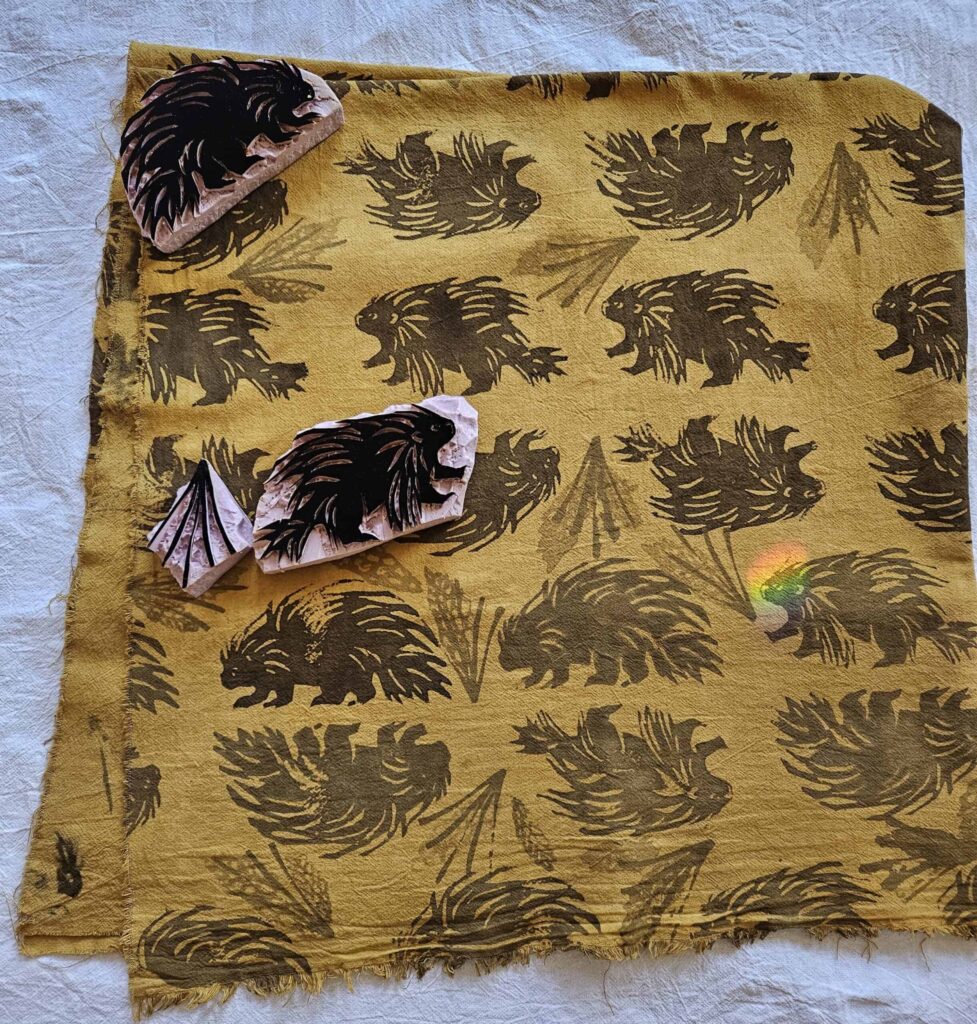
- Simple stamp-making and design from various accessible materials
- Fabric preparation and post-dyeing treatment best practices
- Gain familiarity with traditional dye plants
- Making a printing board
Before you come
Details for students
Where
One of the farm's studios, confirmed at check-in. See the campus
Staying on the farm
Housing, meals, the daily schedule, and places to stay nearby are on Prepare for your workshop.
Your instructor
Questions about this workshop, housing, or meals? Email registrar@sanbornmills.org or call (603) 435-7314. Please read the workshop policies before you register.