Botanical Pigments for Paint, Ink, and Pastels
Harvest dye plants, extract lake pigments and indigo, and leave with watercolors, pastel sticks, and a sketchbook of recipes.
Registration opens Monday, November 30 at 8 a.m.
July 14 – 18, 2027
Wednesday – Sunday
9 a.m. to 5 p.m.
Tuition $745
Plus a meal plan, from $100
Staying on the farm: free tent camping, or a room from $260
It's saved in this browser. Sign in to keep your saved workshops on any device.
The workshop
This five-day workshop is botanical pigments for paint, ink, and pastels. Natalie Stopka teaches it.
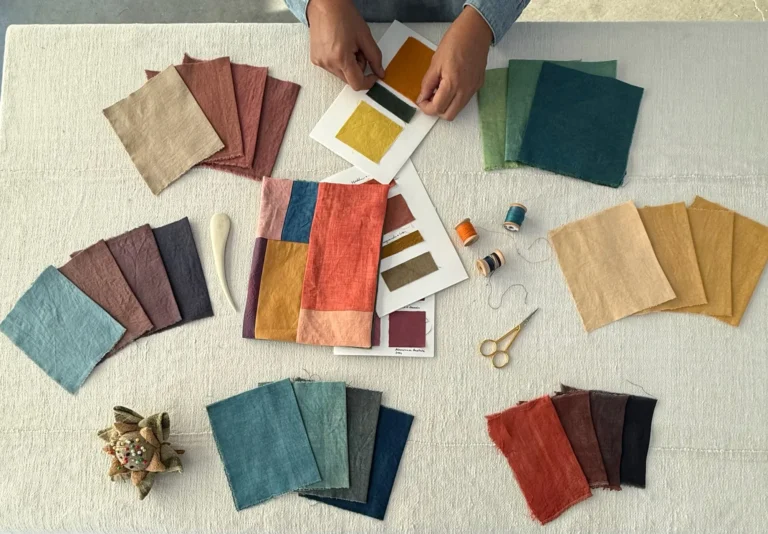
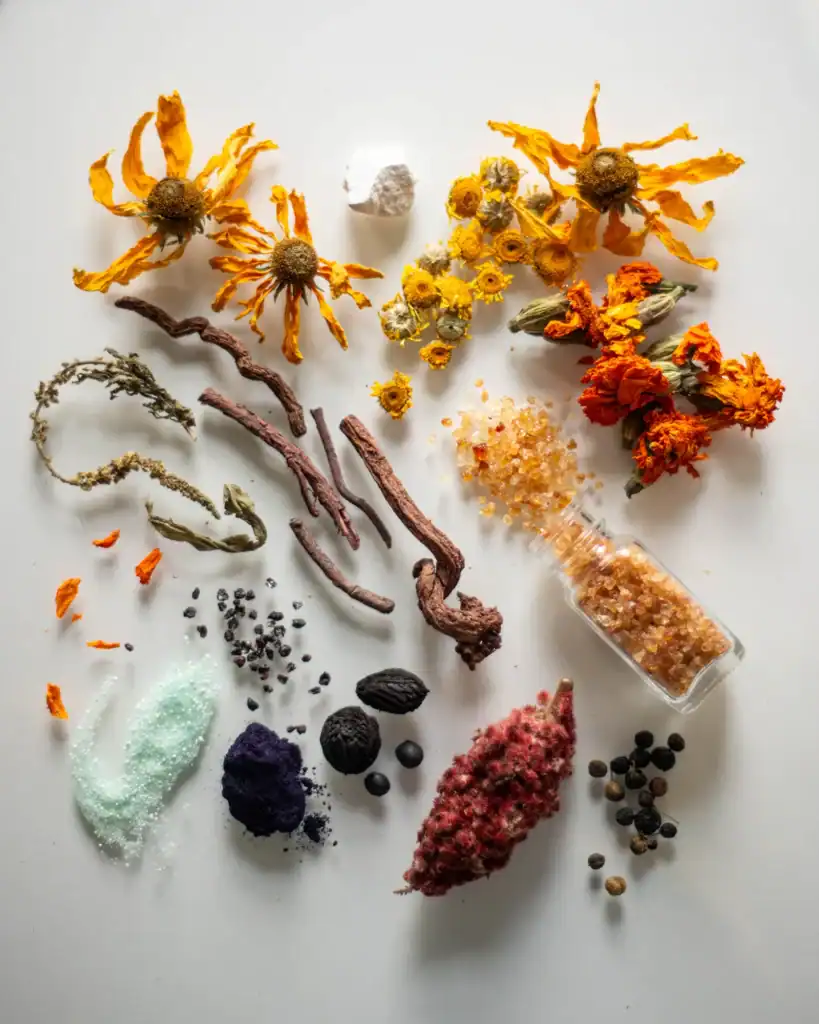
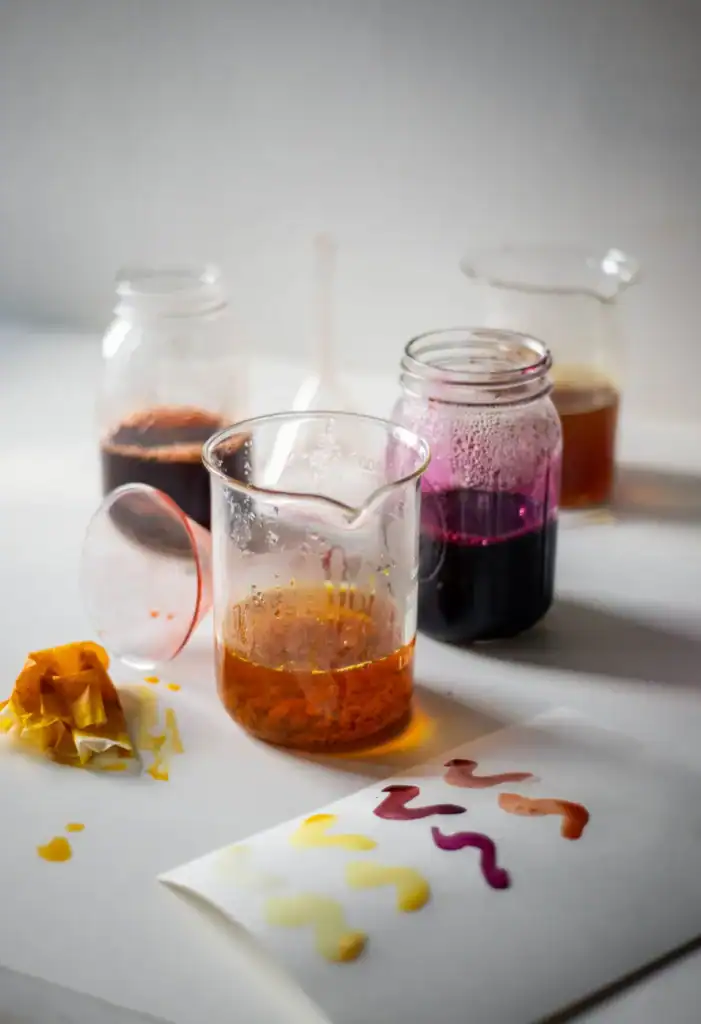
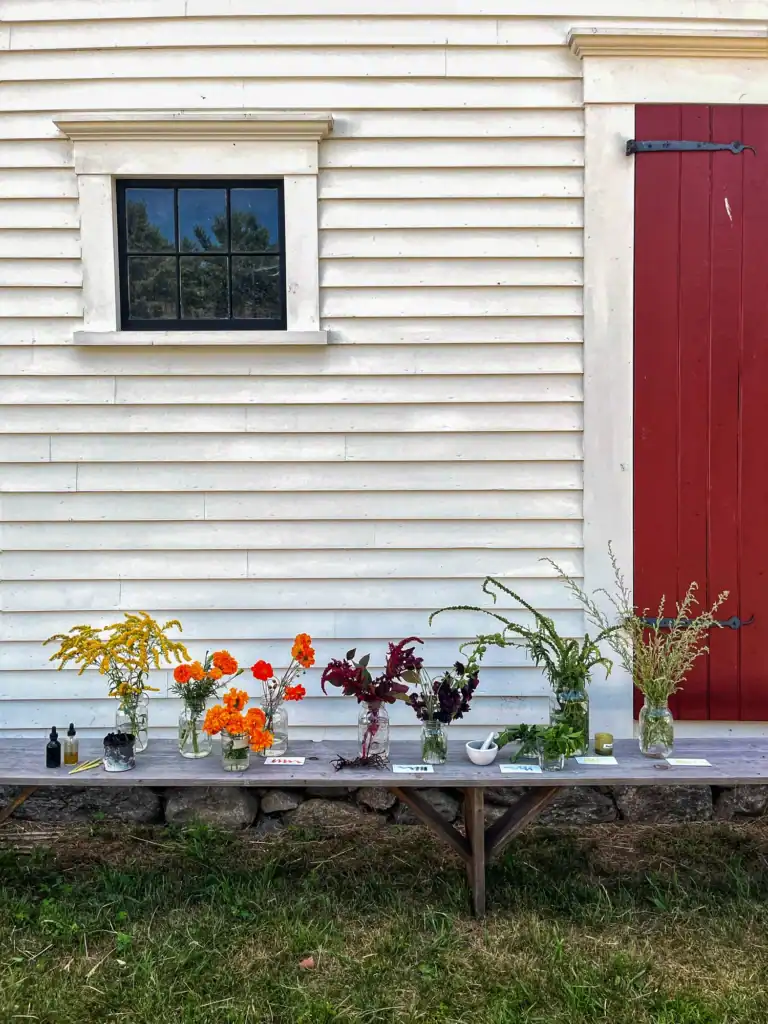
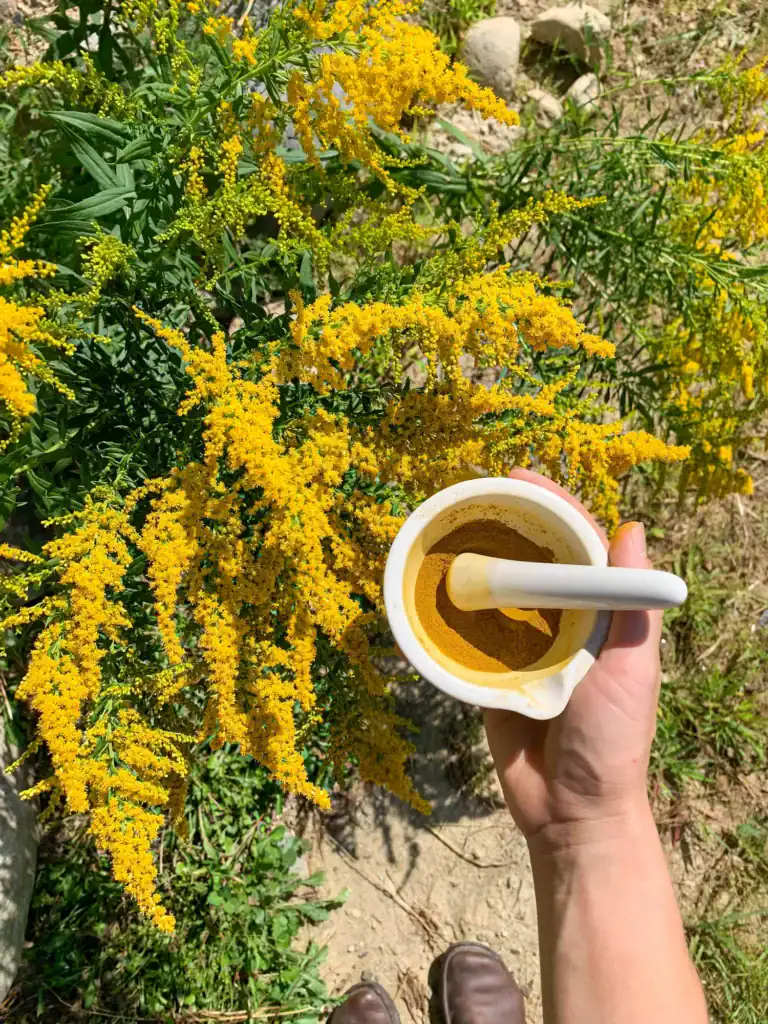
The week starts with a harvesting excursion. You discuss how to grow, gather, and store dye sources from the dye garden and beyond. You extract those colors and turn them into shelf-stable lake pigments and indigo, following methods adapted from artists' recipes of the 14th through 18th centuries. You cover the chemistry that controls vibrancy and opacity, and how to adapt the process to plants and weeds from your own garden.
Skills to be explored include ethical foraging, harvesting, and storing dye plants; extracting, precipitating, and washing lake pigments; the basic chemistry of lake and indigo pigments; mordant and alkali choices for lightfastness, vibrancy, and opacity; fermentation extraction of indigo; and making watercolor paints, pigmented writing inks, and pastel sticks for works on paper. The week also covers the history of pigment manufacture, from pre-Columbian ritual through the medieval scriptorium and the early modern laboratory.
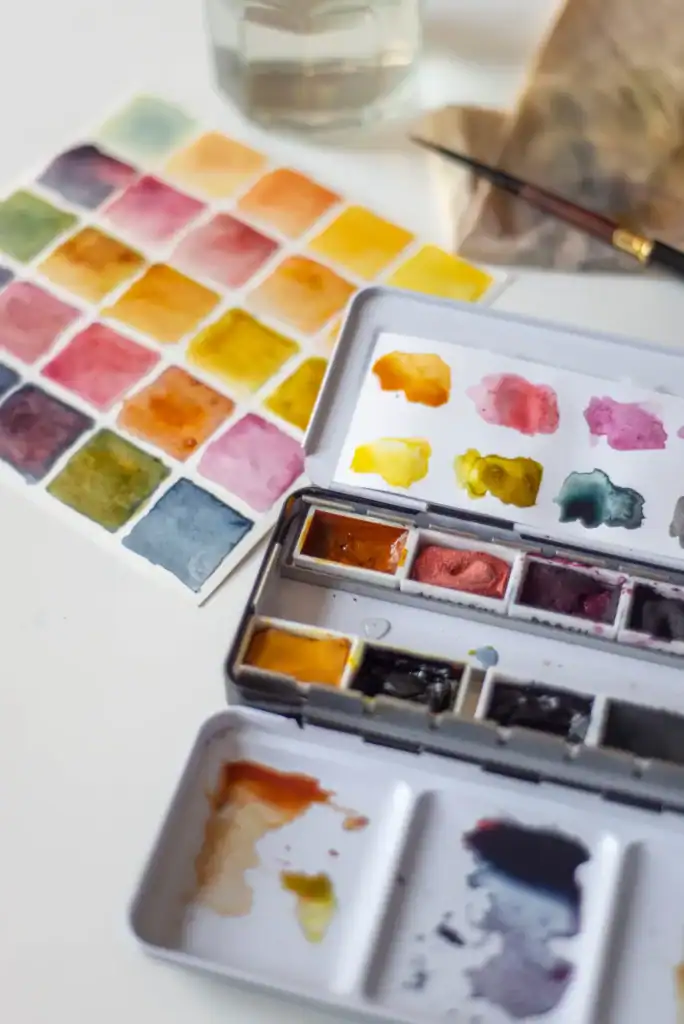
You leave with a paint box of watercolors, several pastel sticks, a sketchbook of recipes and swatches, and the process for expanding the palette. No previous experience required. Materials fee is $75 paid directly to the instructor.
Some time is outdoors. Bring comfortable footwear, sun protection, and insect repellant. Weather permitting, there is an evening campfire for making charcoal. Optional: gardening gloves and pruning shears. A watercolor sketchbook is provided. Bring paintbrushes, dip calligraphy pens, or your own mark-making tools.
You take home
A paint box of watercolors, several pastel sticks, a sketchbook of recipes and swatches, and the process for expanding the palette.
Skills and techniques
- Ethical foraging and harvest
- Lake pigment extraction
- Indigo fermentation
- Mordant and alkali control
- Watercolor, ink, and pastel making

Before you come
Details for students
Experience needed
None. No previous experience required.
Materials
$75 paid directly to the instructor.
What to bring
Comfortable footwear, sun protection, and insect repellant. Optional: gardening gloves and pruning shears. Bring paintbrushes, dip calligraphy pens, or your own mark-making tools. A watercolor sketchbook is provided; a notebook is optional. Evening campfire for charcoal if weather allows.
The work
Five studio days. Some outdoor harvesting. Evening campfire possible.
What it costs
- Tuition
- $745
- Lunch, five days
- $100
Plus the materials fee (see Materials).
You choose lunch on each workshop day or all meals, from a regular menu or a vegetarian or vegan menu. The kitchen can no longer accommodate food allergies; students with a severe allergy bring their own food, and a shared refrigerator and microwave are available. Housing, meals, and any extra nights are chosen when you register.
Where
One of the farm's studios, confirmed at check-in. See the campus
Staying on the farm
Housing, meals, the daily schedule, and places to stay nearby are on Prepare for your workshop.
Your instructor
Natalie Stopka
Natalie Stopka (she/her) is an artist and educator focused on the material history of color and sustainable studio practice. She captures material and elemental interactions in her experimental printmaking practice, incorporating a seasonally-changing vocabulary of plant dyes and handmade pigments. Natalie’s studio and dye garden are located in Yonkers, New York. She is the author of From Plant to Pigment: How to make your own vibrant inks, pastels and paints (Skittledog, 2025).
www.nataliestopka.com
@nataliestopka
Questions about this workshop, housing, or meals? Email registrar@sanbornmills.org or call (603) 435-7314. Please read the workshop policies before you register.