
SHARE:


Master Hand-Cut Joinery & Historic Woodworking
Build a Traditional Wall Box from Historic Examples
Led by Furniture Maker Kolin James Schmidt | Sep 19–20
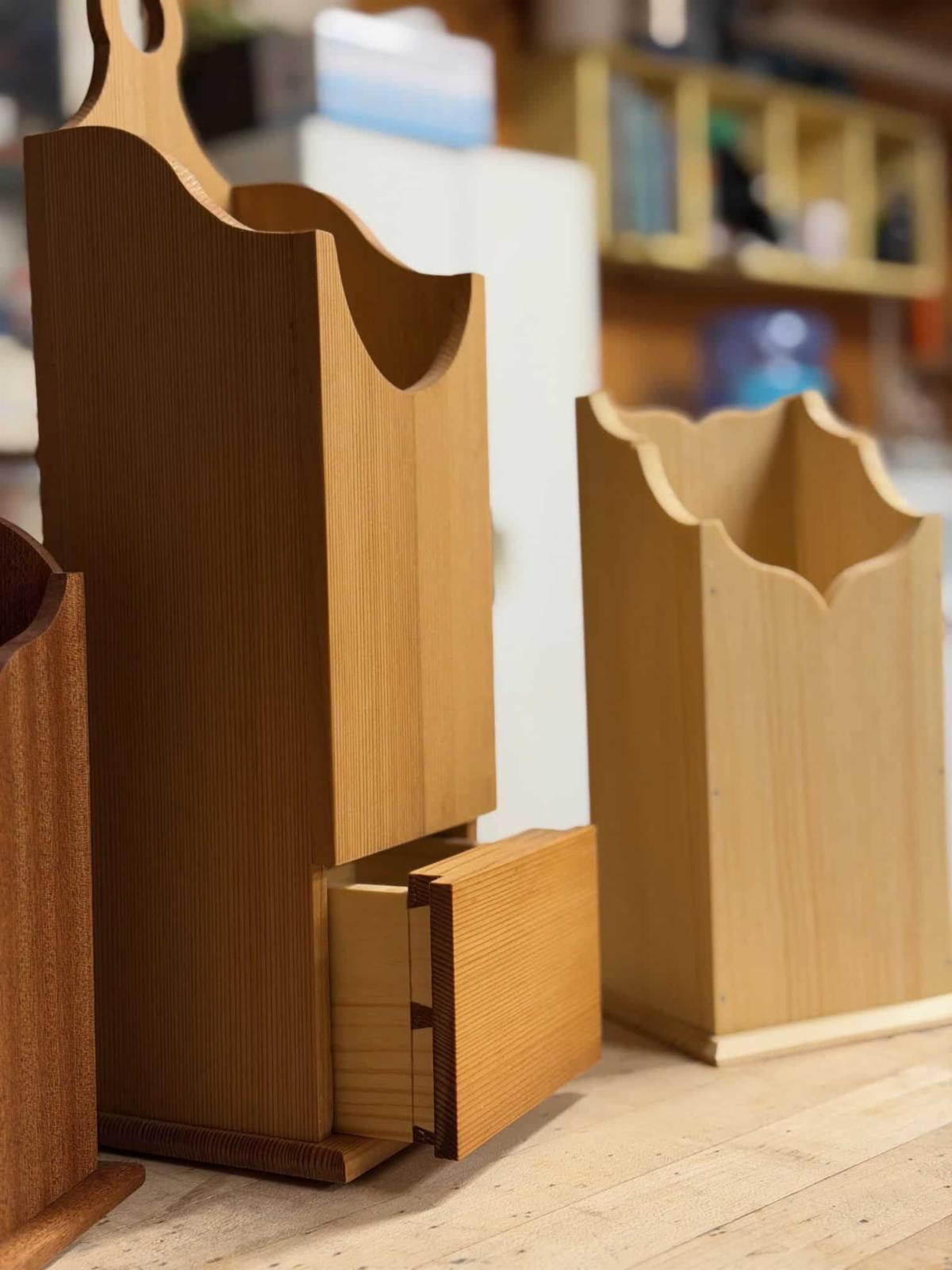
The traditional wall box stands as a quiet exemplar of early American cabinetry. These modest forms once held candles or smoking pipes, yet their straightforward construction invites ready adaptation to whatever purpose the maker intends. In this workshop students work from historic examples while shaping their own design, combining careful handwork with selective machine techniques to produce a finished, functional piece.
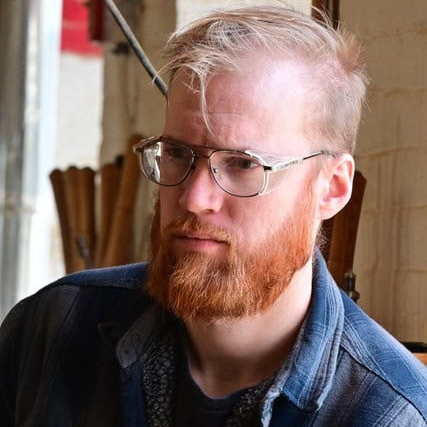
Under the guidance of Kolin James Schmidt, participants cut joinery by hand, shape thin stock at the bandsaw and scroll saw, and develop decorative details that remain subordinate to the object’s strong lines and lasting utility. Schmidt, a furniture maker and educator based in eastern New Hampshire, has studied building methods from the seventeenth through the nineteenth centuries and integrates modern machines only where they serve efficiency without sacrificing quality. His own practice is informed by research across eras of design and production; he holds degrees in furniture making from the North Bennet Street School and in architecture from Kirkwood Community College. He favors work born of necessity rather than excess, seeking beauty in proportion, precise function, and objects intended to endure for generations.
No prior experience is required. Students leave with a completed wall box whose proportions and surface treatment reflect both the historic type and the individual hand that made it.
Uncover the Stories Embedded in Traditional Wax Resist
Traditional Yoruba Batik Using Multiple Colors
Taught by International Master Dyer Gasali Adeyemo | Sep 16–20
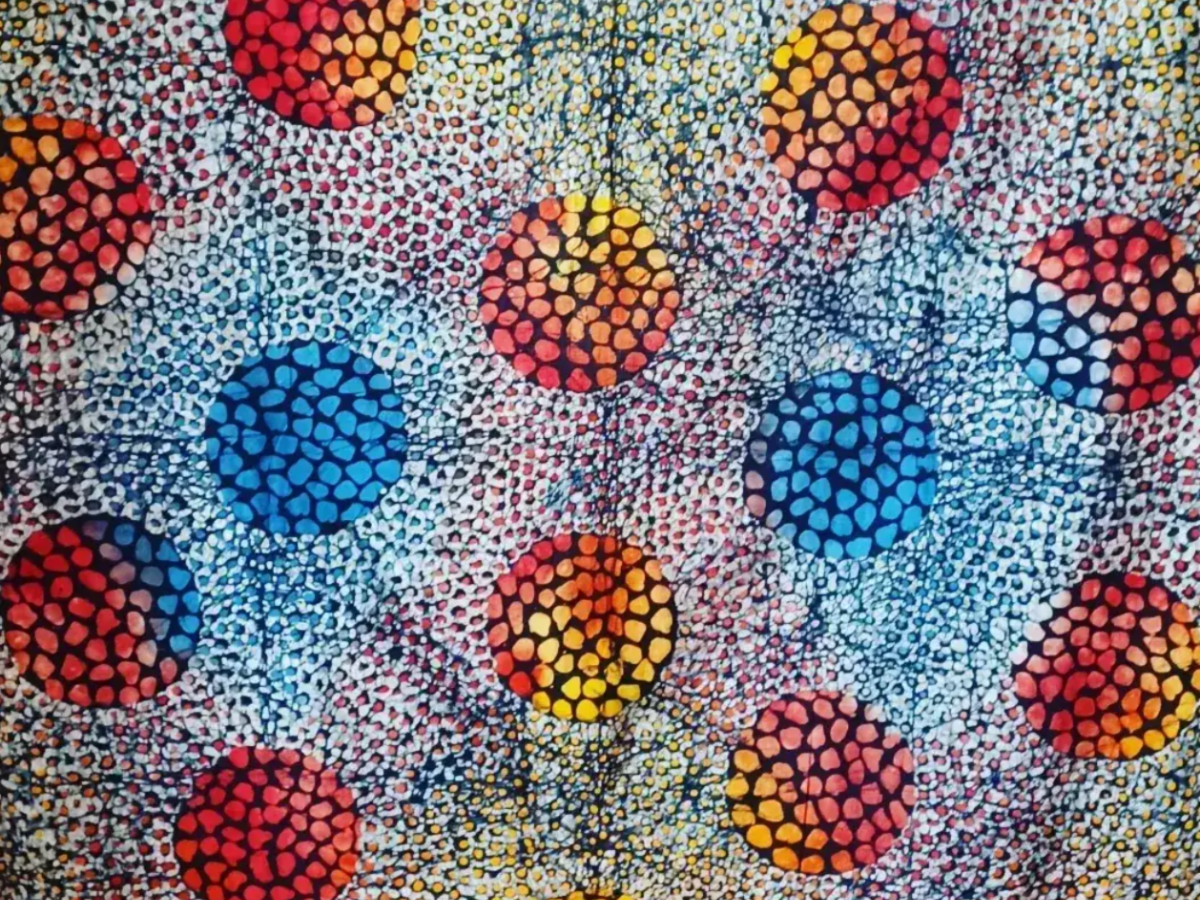
Gasali Adeyemo, a master dyer from Ofatedo in Osun State, Nigeria, brings the living tradition of Yoruba batik to the studio. Known in the Yoruba language as adire alabela, or wax resist, the process begins with the freehand application of wax to cloth, most often by means of foam rubber, though wood stamps and stencils remain available. Students learn the cultural meanings carried by the designs and the precise sequence required to introduce multiple colors, working indigo into layered patterns while mastering efficient application and removal of the wax.
Adeyemo first learned these arts from his mother, then spent six years at the Nike Center for Arts and Culture, specializing in batik painting, indigo dyeing, and related textile techniques before teaching them in turn. Now based in Santa Fe, he continues to transmit Yoruba textile heritage through workshops and exhibitions that emphasize both technical mastery and the stories embedded in the cloth. Demonstrations are followed by extensive hands-on practice, allowing each participant to complete fabric that carries the measured rhythm of traditional Yoruba color work.
Discover the Precision of Small-Scale Metalwork
Hand-Forged Jewelry and Wearables
With Artist Blacksmith John D. Harvey | Sep 19–20
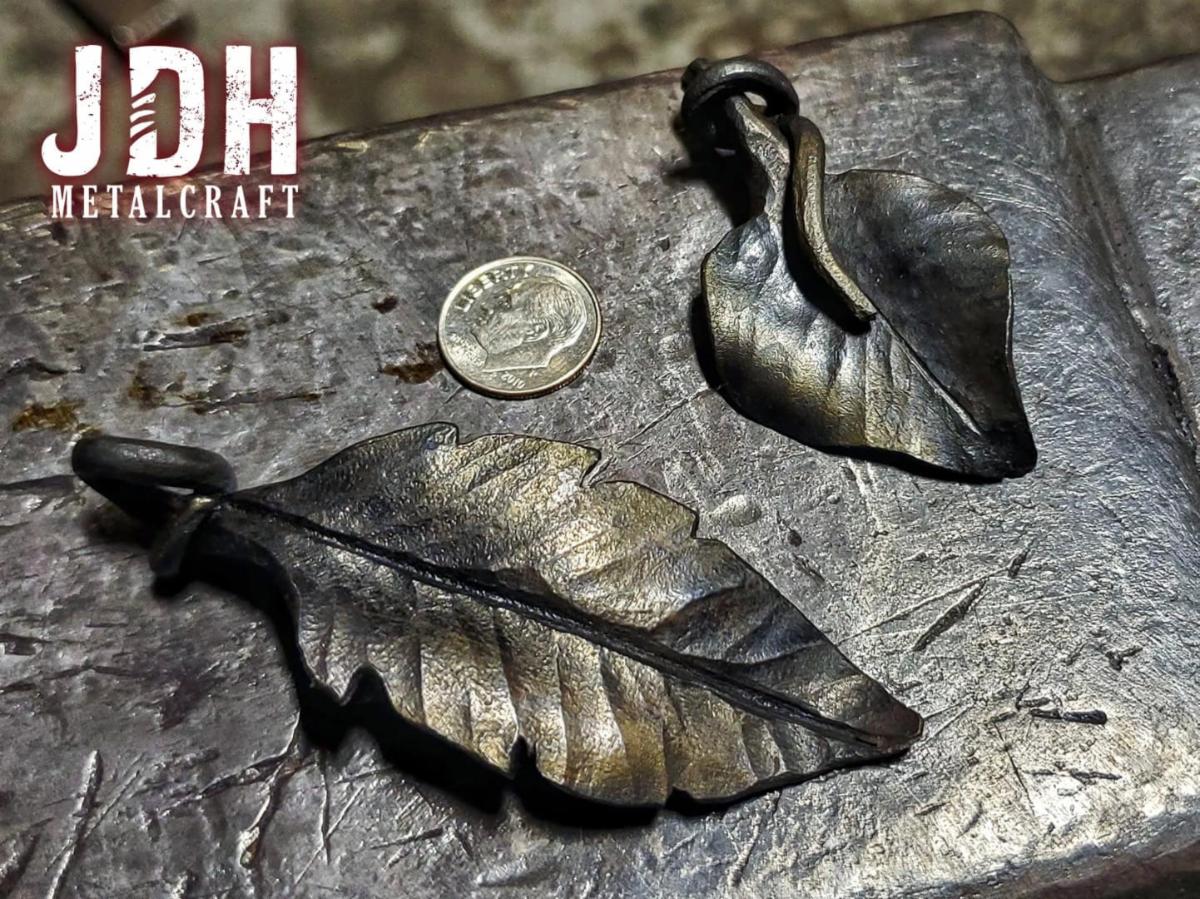
Forging small-scale jewelry and wearables belongs among the oldest and most widely shared skills in metalwork. In this beginner workshop students learn the essential blacksmithing movements—tapering, scrolling, bending, twisting, and finishing—applied to thinner diameters and shorter lengths of stock. They forge basic examples such as pendants, bracelets, hairpins, and brooches, then join separate components into finished, wearable pieces, discovering the particular precision that small work demands. Organic forms, including leaves, receive special attention before each student turns to a personal project developed with the instructor’s guidance.
John D. Harvey, an artist blacksmith working from his shop in East Providence, Rhode Island, began forging at The Steel Yard in Providence in 2014. His own work favors organic shapes and practical household objects, and he continues to teach at The Steel Yard while maintaining an independent practice centered on thoughtful, hand-wrought forms.


Our Company | Contact Us | FAQs | Privacy Policy


Sanborn Mills Farm | 7097 Sanborn Road | Loudon, NH 03307 US