Journal / Staff spotlight
I Gotta Work There
I care about reconnecting people, especially kids, with the animals and the work behind their food.
, about a 2-minute read
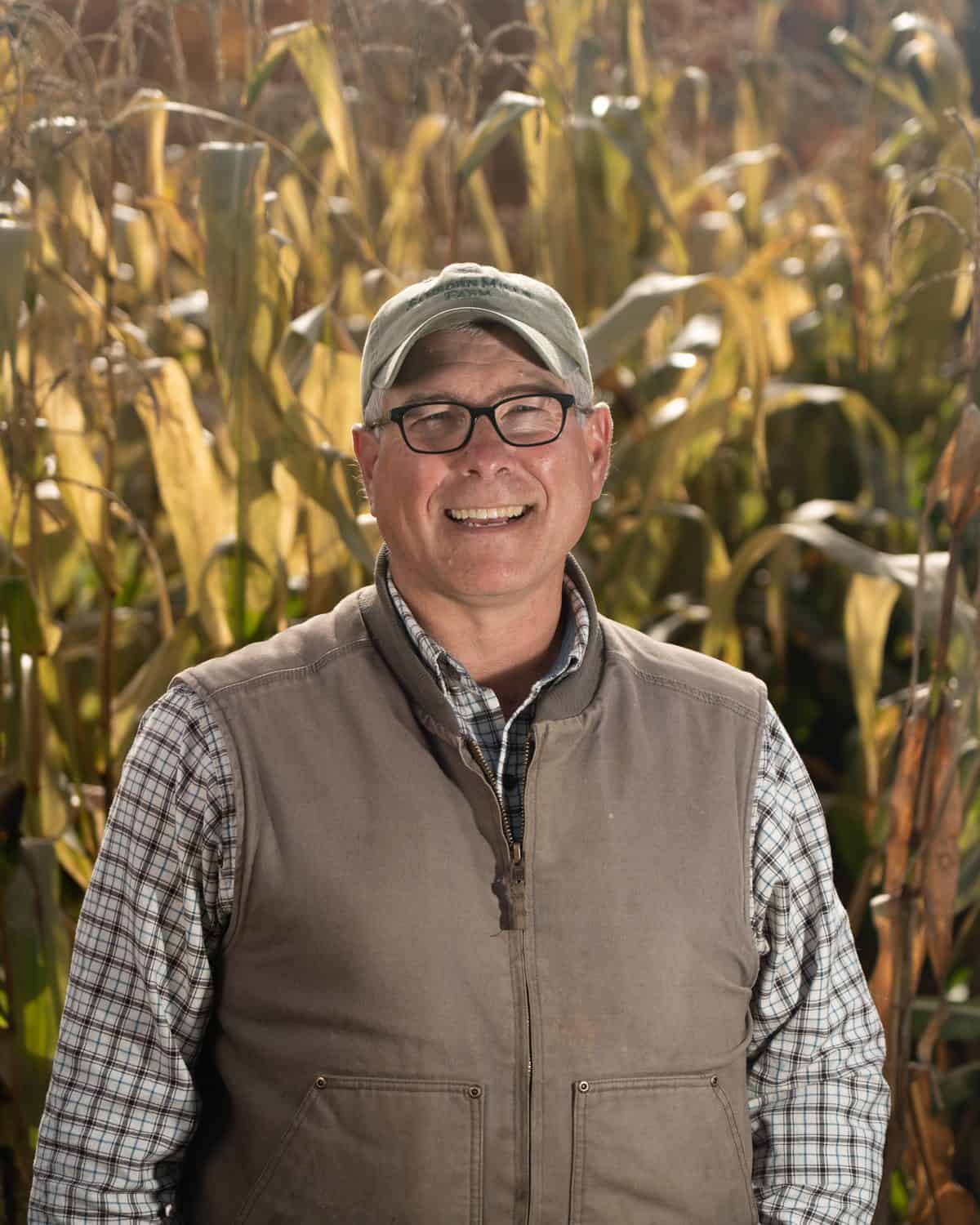
I was raised on a 180-acre farm in Indiana, and I spent my early years surrounded by crops, livestock, and the daily rhythms of farm life. Agriculture has always been a part of who I am. My father’s passion for collecting antique tractors sparked my own lifelong interest in vintage farm machinery. Whether it’s restoring, collecting, or simply learning the history behind old equipment, preserving agricultural heritage remains one of my greatest passions.
The first time I came to Sanborn Mills Farm was for an open house, and I knew right away: I gotta work there. About six months later, I applied for a farm educator position. That job ended up being withdrawn, but after about fifteen months of back and forth, I joined the team in 2016. Before that, I worked at a power plant, welding stainless.
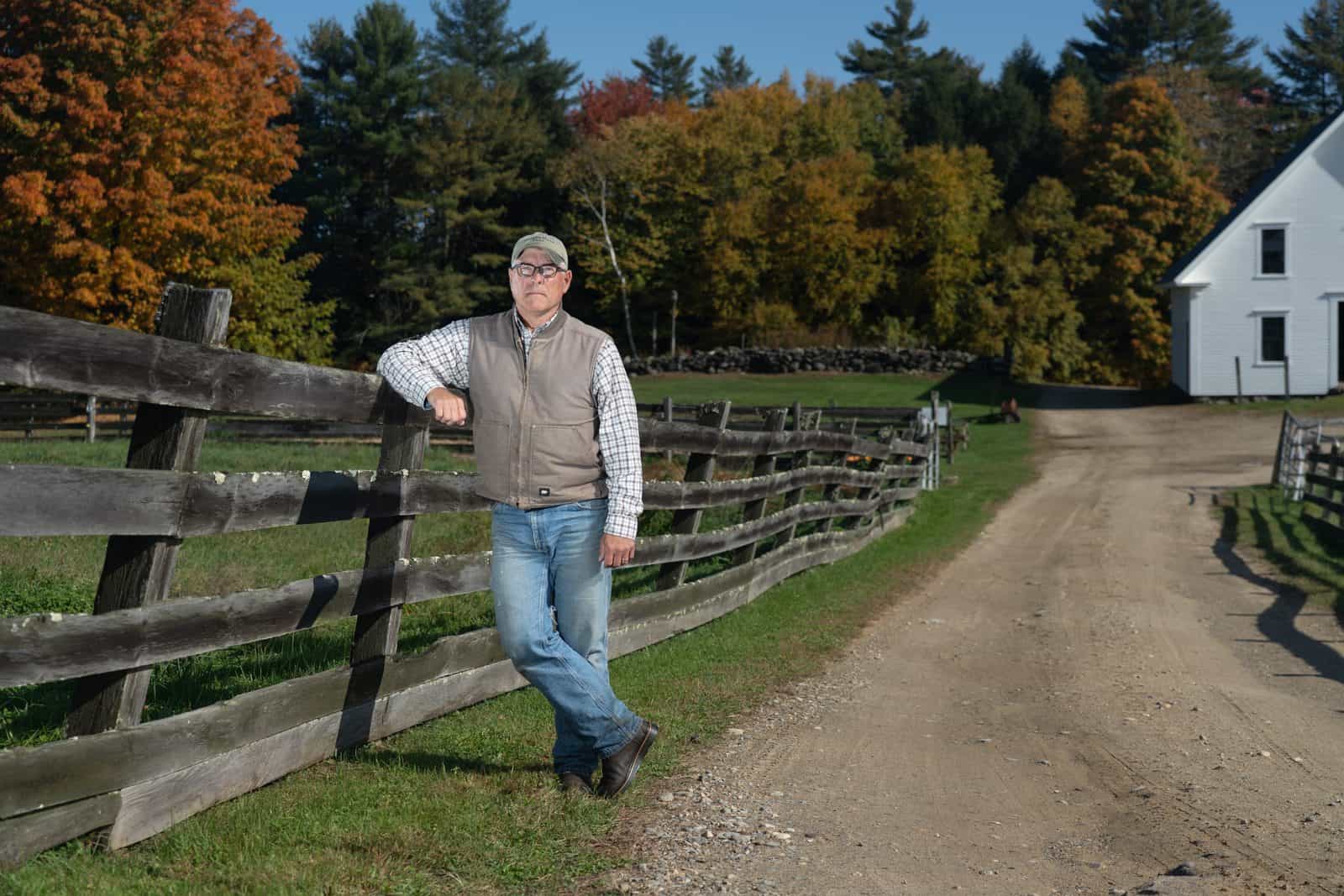
I was brought on to strengthen the farm’s working agriculture, especially the grains, where the farm needed both know-how and equipment. On our farm, when we’re plowing the bottom field, you don’t hear anything but the cattle walking, and the satisfaction of watching the ground go from green to brown is amazing.
When we’re plowing the bottom field, you don’t hear anything but the cattle walking.
This season, Market Gardener Laura Dahl and I also oversaw the vegetable gardens at Canterbury Shaker Village, a one-year pilot partnership. Tyler Allen and I brought our oxen teams over to till, cut and bind wheat, and sow clover and wheat to put a garden section to bed for winter. Canterbury Shaker Village offers a rich historical and museum perspective, while Sanborn Mills Farm brings the knowledge and energy of a working, educational farm. Together, these organizations create a unique opportunity to connect history with living practice. By incorporating meaningful agricultural work into the museum setting, visitors can experience a more complete and authentic representation of the past, seeing not only how people lived, but also how they worked, farmed, and interacted with the land.
Many people today are disconnected from agriculture and the animals that have long been an essential part of it. Demonstrations provide an opportunity to bridge that gap by giving people a chance to experience these animals firsthand. Whether it’s simply touching an ox for the first time or learning about the important role draft animals played in cultivating fields and working gardens, these experiences help connect people to our agricultural heritage in a meaningful and memorable way. I care about the farm’s success, and about reconnecting people, especially kids, with where their food comes from.
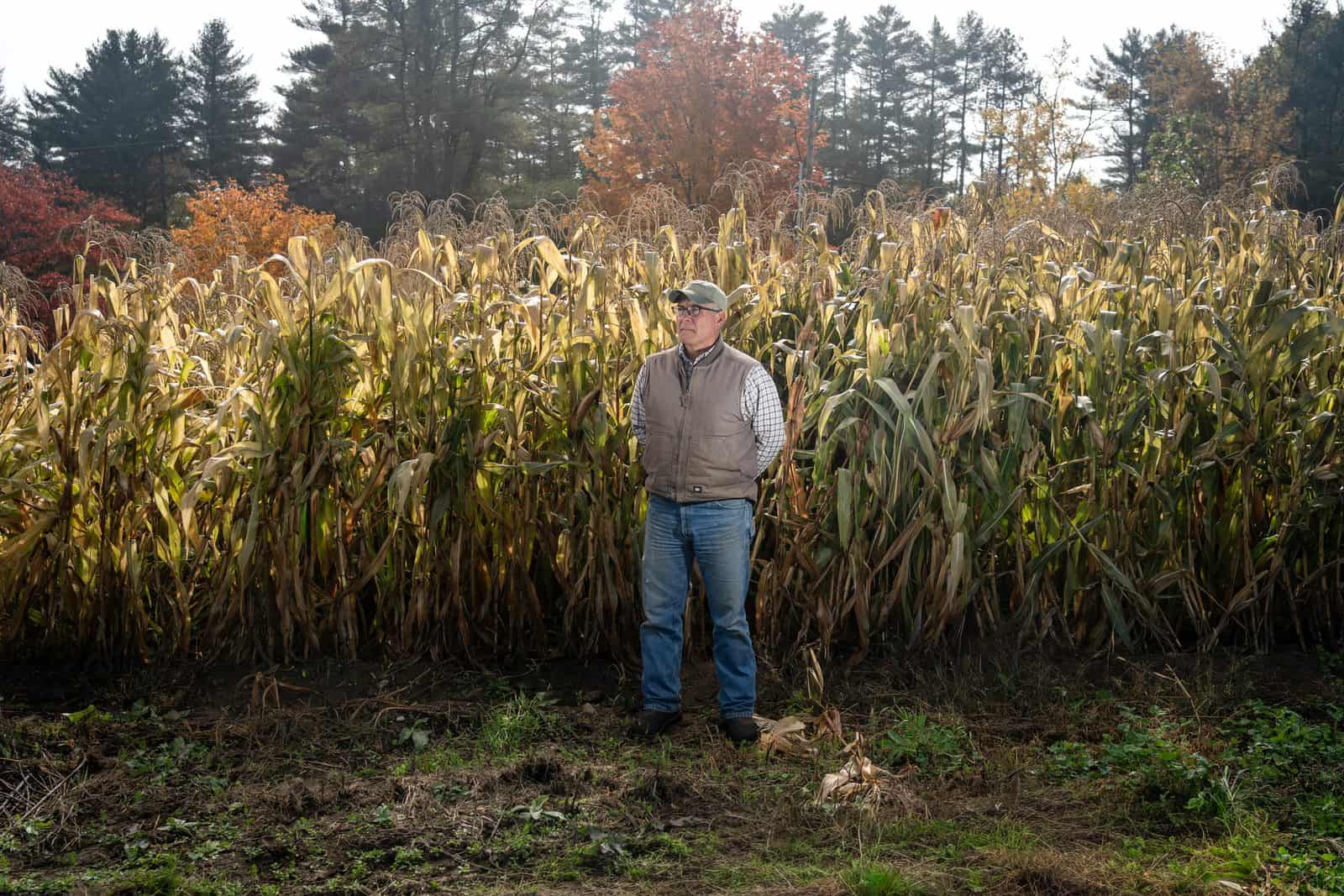
Outside of work, I show working animals at fairs and compete in pulling events. I garden, and I study American history, especially draft animals and early industrial machinery from the Revolutionary era through the late 1800s.
I hope visitors leave with more respect for traditional farming.
Staff spotlights
More from the team
Director of Operations
Joe Poisson
Measure Twice
Manager of Communications & External Affairs
Patrick Slaven
Strategy and Muddy Boots
Program Manager
Marsha Grizwin
Fall Is the Time of the McIntosh
Registrar and Guest Relations
Karen Kenney
A Winter Drive Down Sanborn Road
Horticulture and Gardens Manager
John Buscarino
Painting with Plants
Senior Gardener
Bella Tolosi
A Simple Invitation
Ornamental Gardener & CSA Coordinator
Mady St. George
The Full Cycle of the Land
Mills & Land Division Manager
Brian Clough
What the Tree Can Be
Mills & Operations Support
Logan Clough
New Hampshire Potatoes
Carpenter
Ray St. Pierre
Stop and See What’s Here
Landscaper and Carpenter
Jeremy Morse
Stump to Stick
Head Chef and Dining Services Manager
Kelly Fahey
Thirty-Five Minutes from Home