
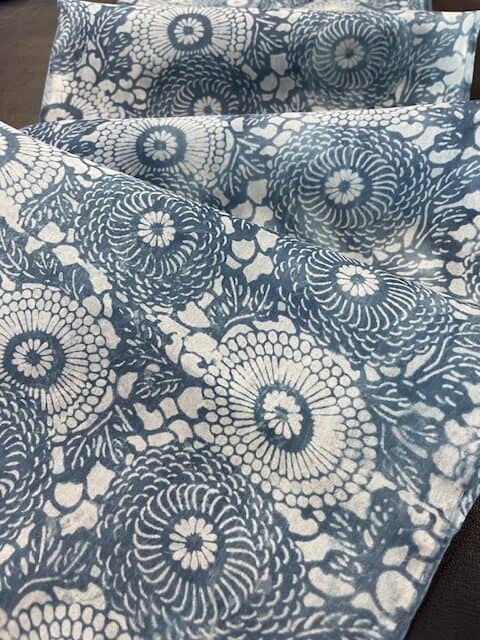
Traditional Katazome Rice Paste Resist
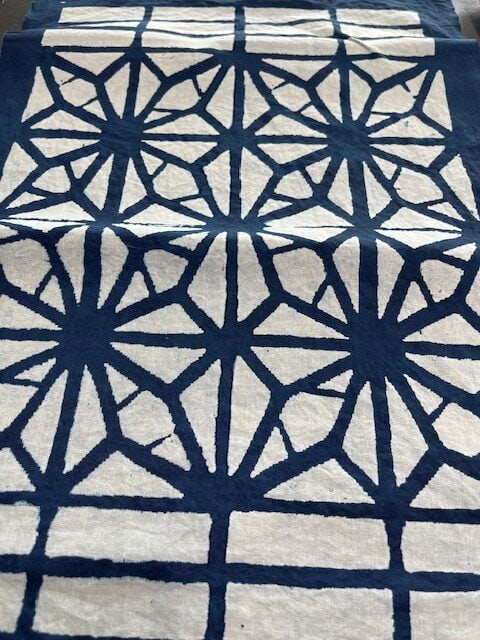
The traditional Japanese art of katazome is a centuries-old art form. Kata means stencil and zome is a form of the word someru, which means to dye- hence katazome (stencil dyeing).
Not scheduled right now. Last taught 2026.
It's saved in this browser. Sign in to keep your saved workshops on any device.
The workshop
The traditional Japanese art of katazome is a centuries-old art form. Kata means stencil and zome is a form of the word someru, which means to dye- hence katazome (stencil dyeing).
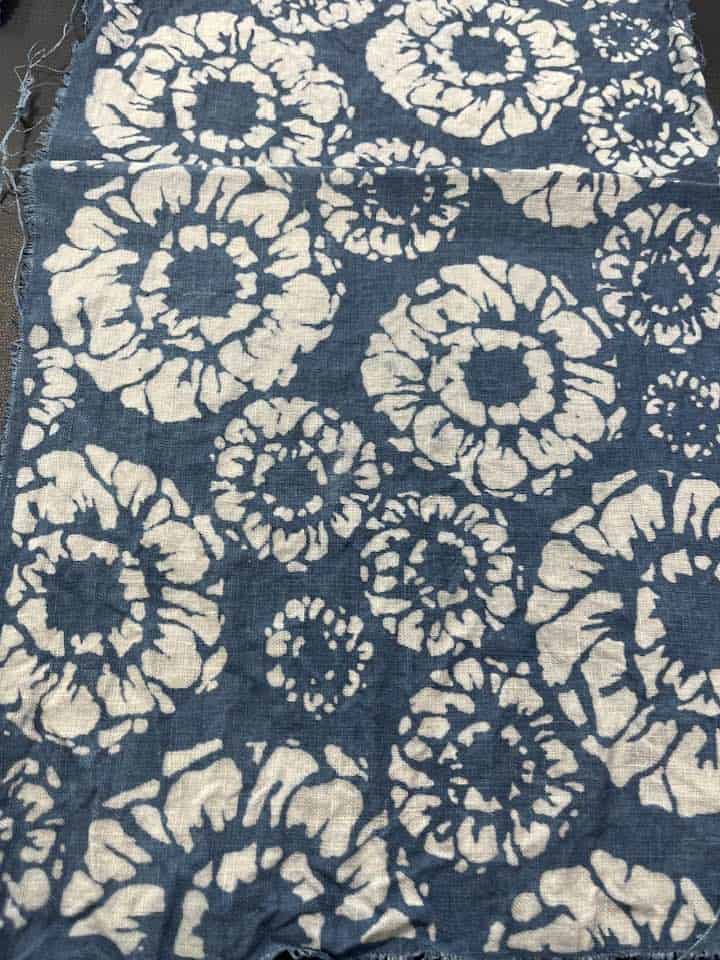
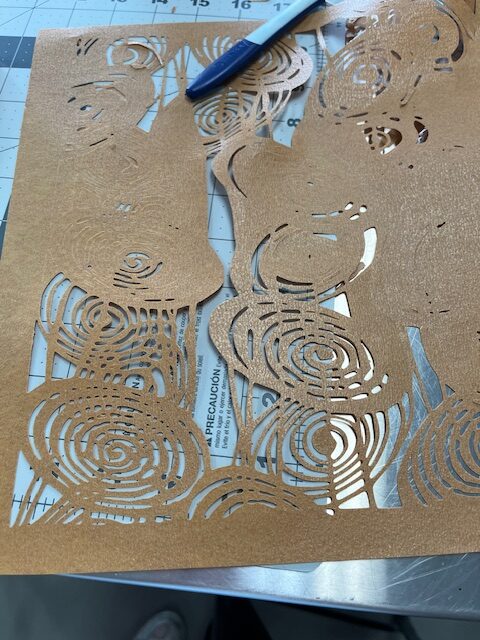
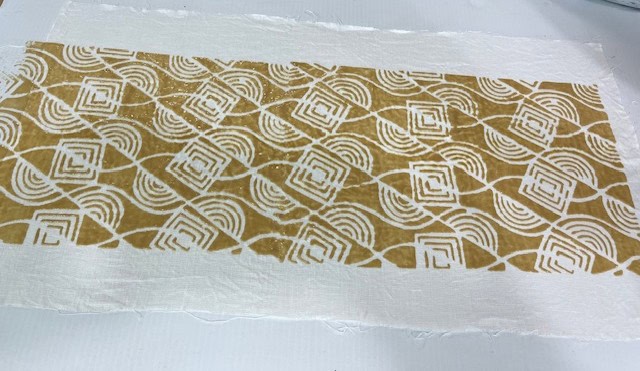
The basic process of stencil dyeing is not complicated. First, a stencil is cut and placed on a piece of fabric. Next, the resist paste is applied through the stencil. The stencil is then removed, and the pasted fabric is allowed to dry in the sunlight. Fabric is then treated with soy sizing if going to be dyed with pigments. The Fabric is then indigo dyed or the color pigments brushed on. Finally, the fabrics are soaked in water to remove the paste.
The steps of katazome must be followed in sequence, and timing is essential. During this workshop, we will work through each of the steps. Along the way, we will discuss traditional materials, and we will also explore contemporary alternatives for use in a home studio. We will learn how to build and balance a natural indigo vat and create layered patterns with various shades of blue on cotton and linen. Students who have some dyeing or printmaking experience will enhance their practice, and beginners will get a valuable introduction.
This is an all levels workshop and no previous experience is required.
The instructor will bring supplies for the indigo vat, shensi sticks, supplies to make traditional rice paste, pre-mixed paste from Japan, luon boards, paints, and supplies to reinforce students’ cut stencils. She will also bring some of her own stencil collection.
The instructor will also have additional materials for sale such as persimmon paper.
Special Tools or Equipment to bring: an apron, long kitchen gloves, an Exacto knife, punch kit (instructor will supply source as class is closer) and extra blades.

Before you come
Details for students
Where
One of the farm's studios, confirmed at check-in. See the campus
Staying on the farm
Housing, meals, the daily schedule, and places to stay nearby are on Prepare for your workshop.
Your instructor
Questions about this workshop, housing, or meals? Email registrar@sanbornmills.org or call (603) 435-7314. Please read the workshop policies before you register.