
Identifying and Dating Historic Everyday Textiles 18th and 19th Century
This workshop is designed for museum staff, antique dealers, and textile enthusiasts who want to know how to identify and date handwoven textiles in their collections. No prior experience is necessary.
Not scheduled right now. Last taught 2026.
It's saved in this browser. Sign in to keep your saved workshops on any device.
The workshop
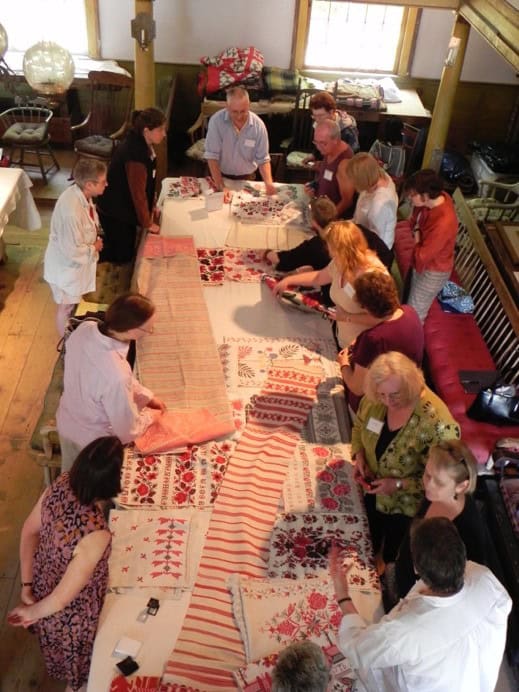
This workshop is designed for museum staff, antique dealers, and textile enthusiasts who want to know how to identify and date handwoven textiles in their collections. No prior experience is necessary. The workshop begins with an explanation of the tools of the trade and teaches a method that can be used for all flat woven textiles.
The workshop answers the question of How do We Know What We Know and gives us a basis for making decisions about the material culture that we are representing to our visitors, and which textiles are important to preserve and exhibit.
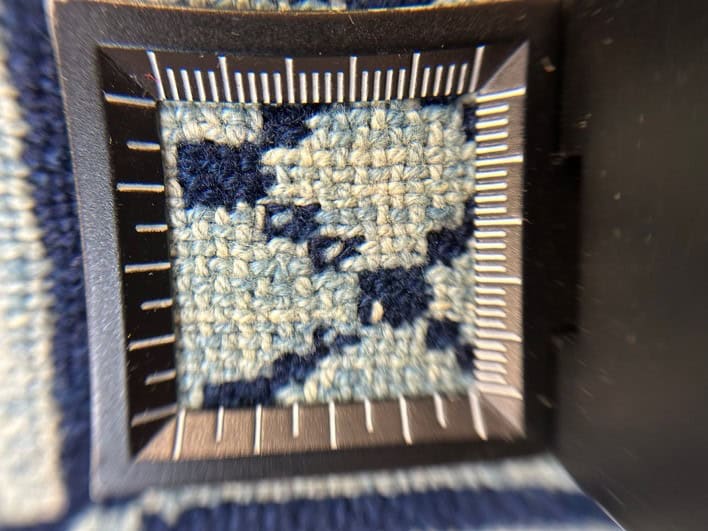
How do we know what we know about woven fabrics and the weavers who wove them? This workshop will teach you how to look at and evaluate flat woven textiles from the 18th and 19th century. Microscopic analysis of fibers, yarn types, weave structures and who was weaving what and when will be explored.
During the workshop students will be examining everyday textiles from Rabbit’s personal collection. But students are encouraged to bring textiles that they wish to identify. This allows all of us to see textiles and go through the process of identifying and dating textiles and compare them to others.
Textiles need to be placed in a cultural context and inventories, diaries, journals, newspaper advertisements, weavers’ draft books all are important in our understanding of the value of historic textiles within the material culture that produced them. Students will leave with a bibliography and a resource list that includes these sources.
Skills and techniques
- Examination of historic handwoven textiles.
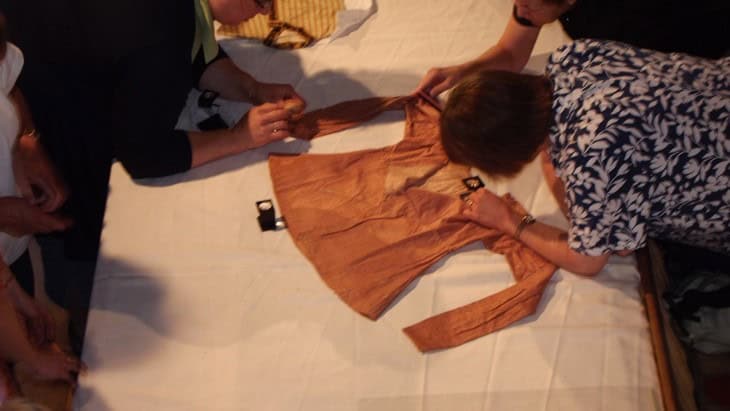
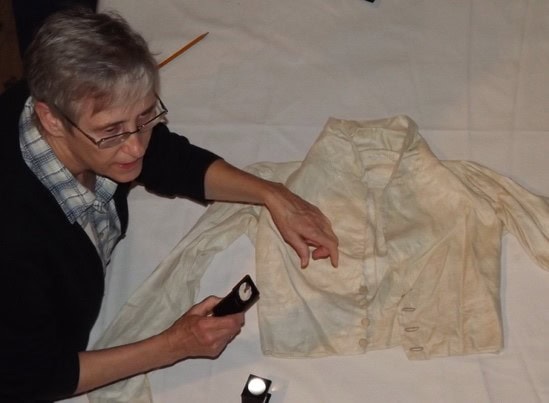
- Use of the microscope, pick glass and evaluation form.
- The ability to place textiles in context of American rural material culture
Before you come
Details for students
Where
One of the farm's studios, confirmed at check-in. See the campus
Staying on the farm
Housing, meals, the daily schedule, and places to stay nearby are on Prepare for your workshop.
Your instructor
Questions about this workshop, housing, or meals? Email registrar@sanbornmills.org or call (603) 435-7314. Please read the workshop policies before you register.