Whole Cloth Hand Applique with a Joyful Aesthetic
$925.00
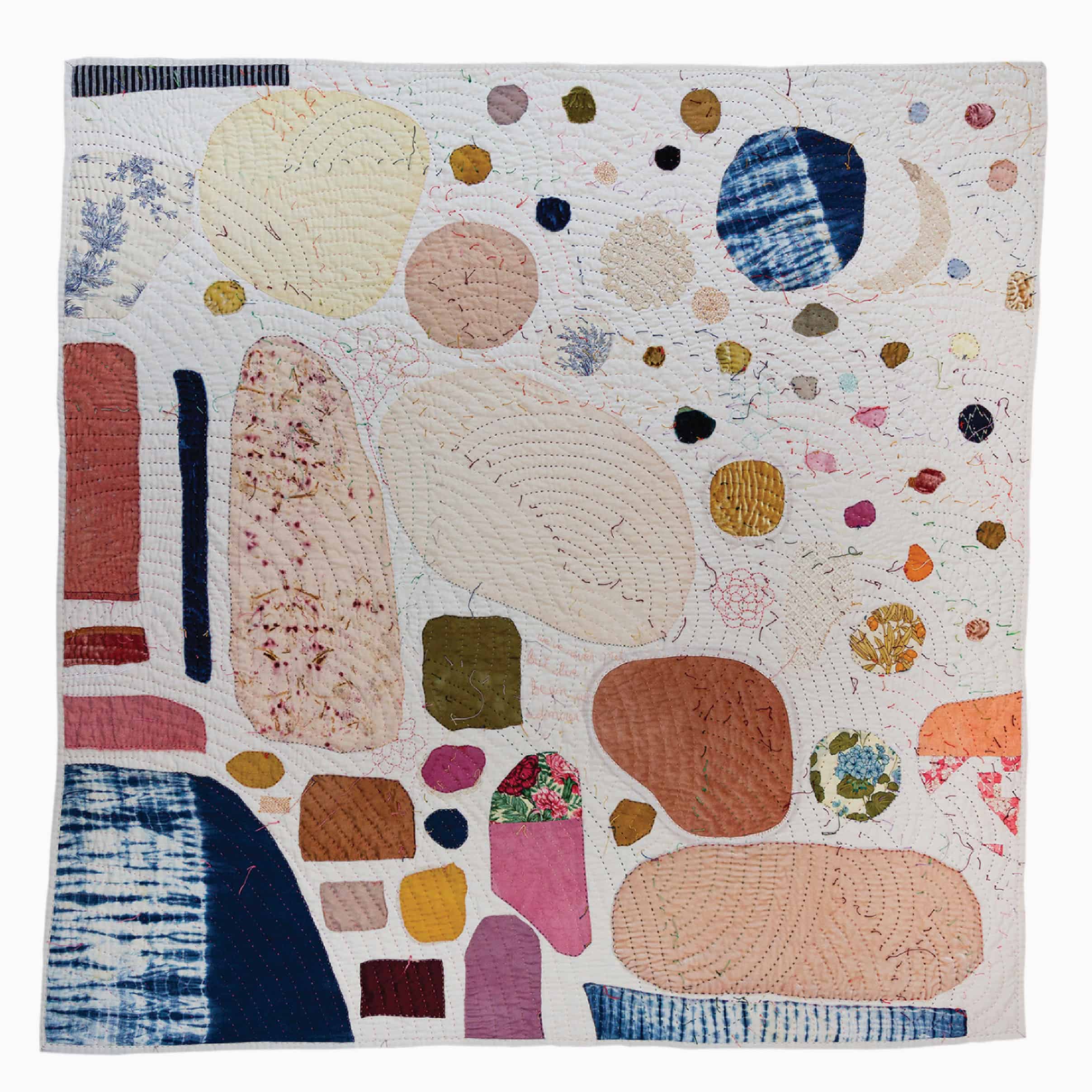
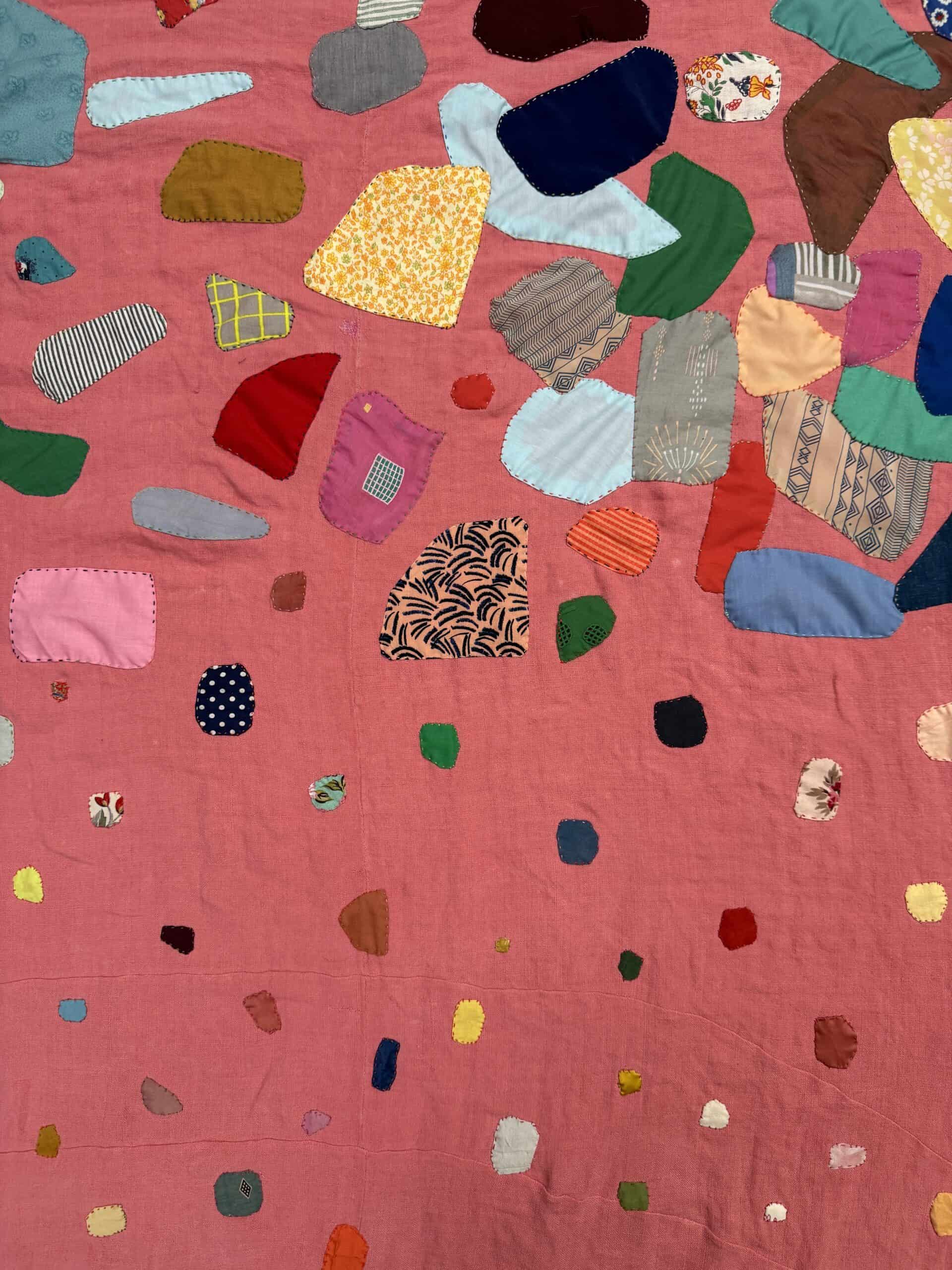
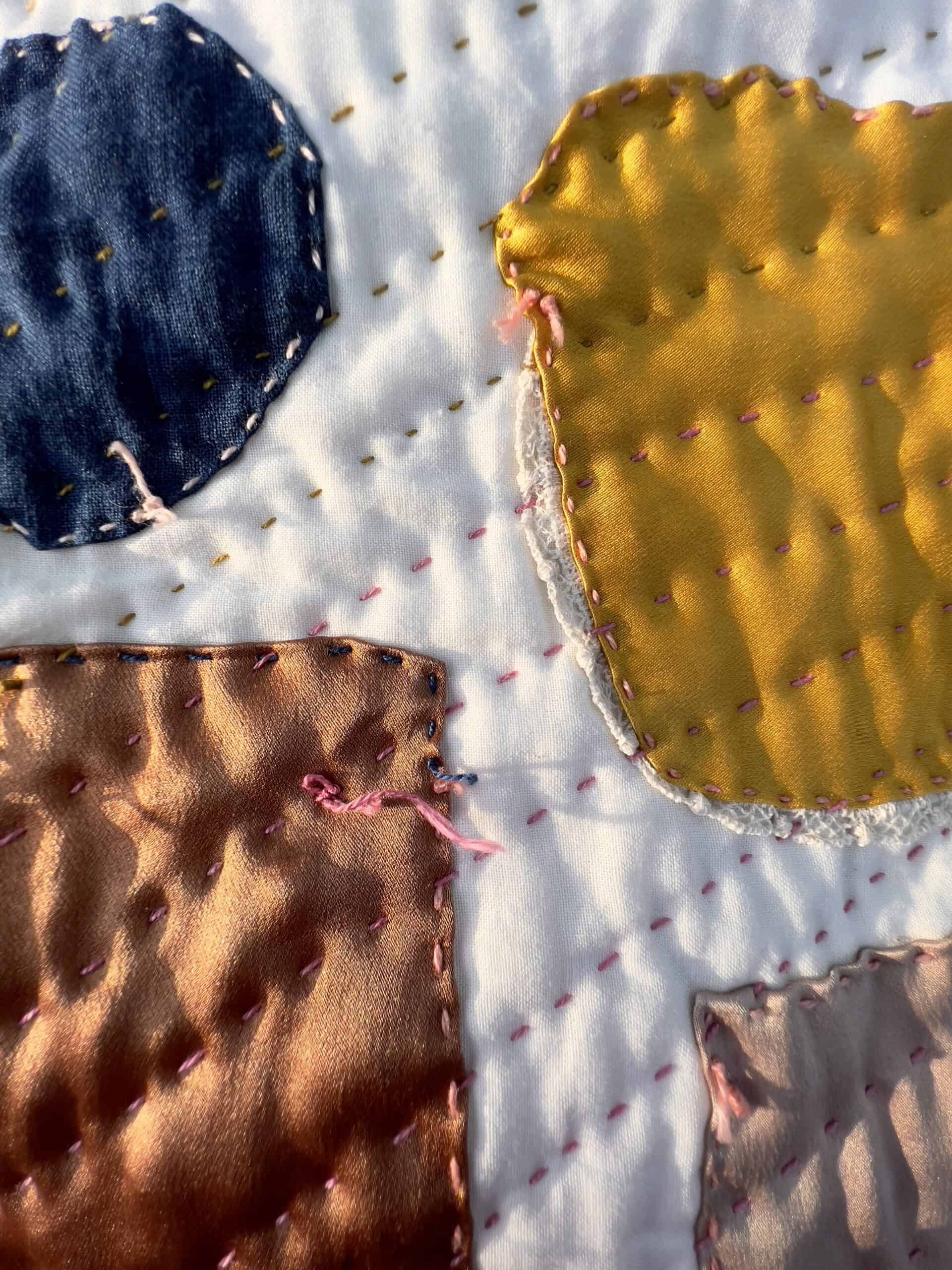
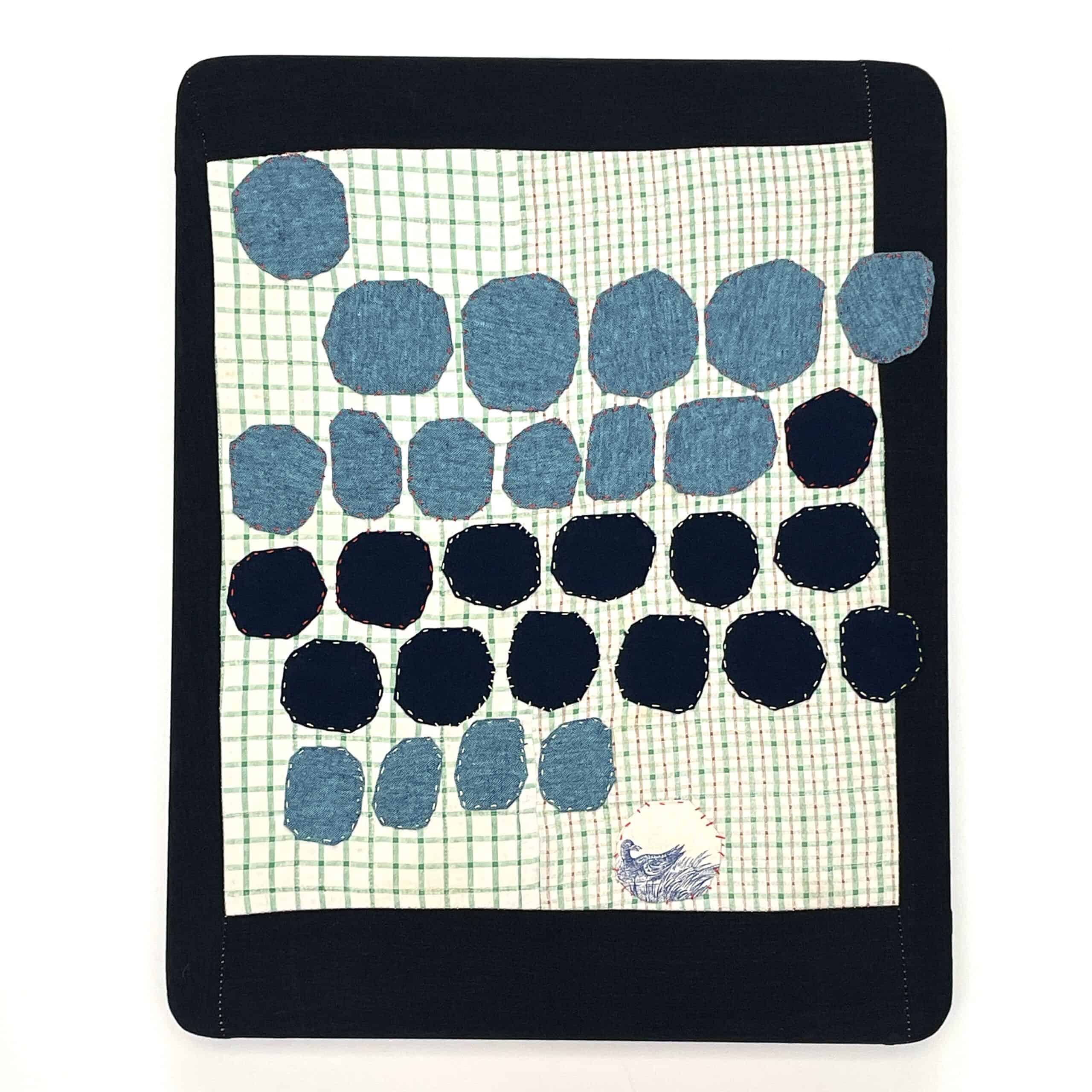
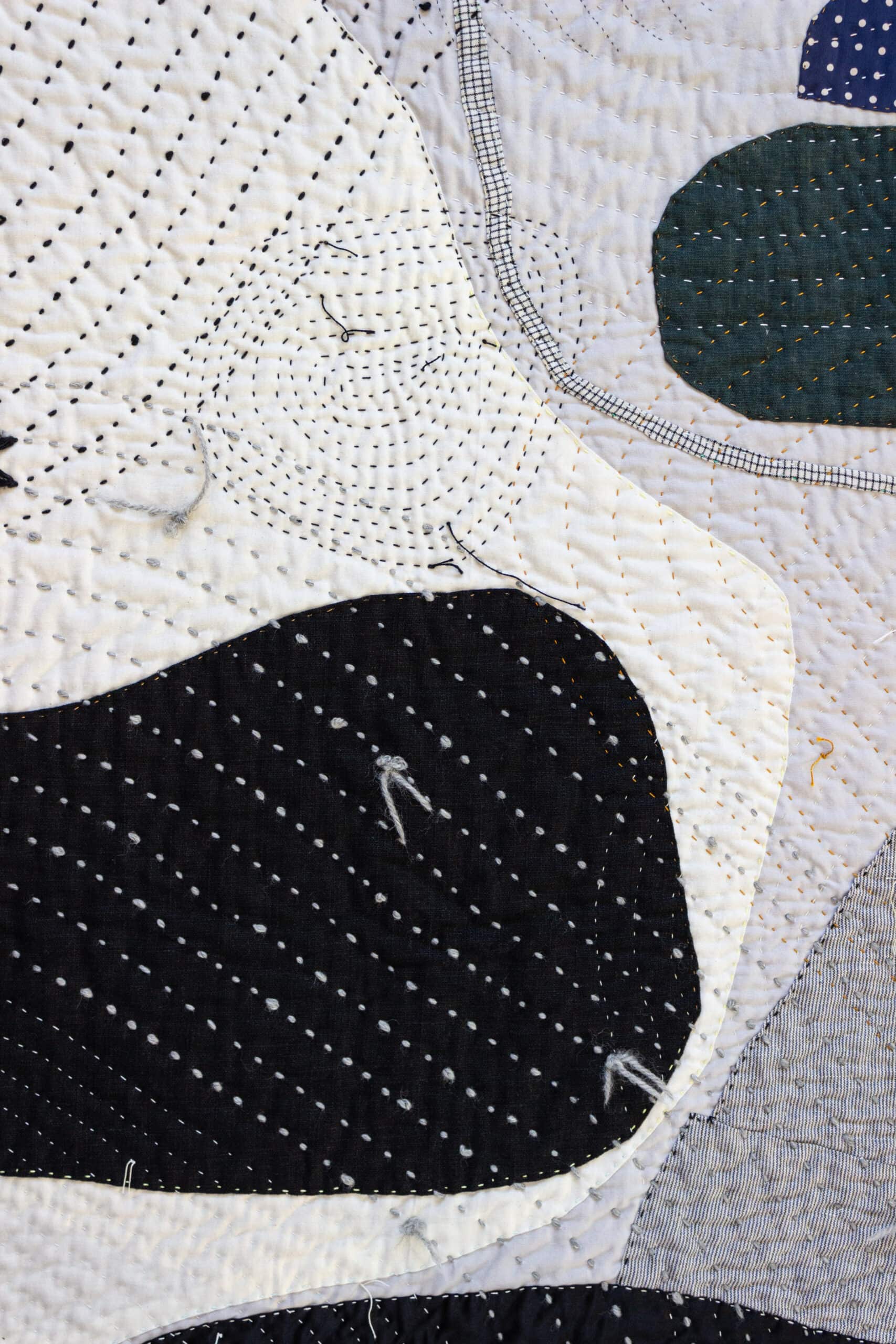
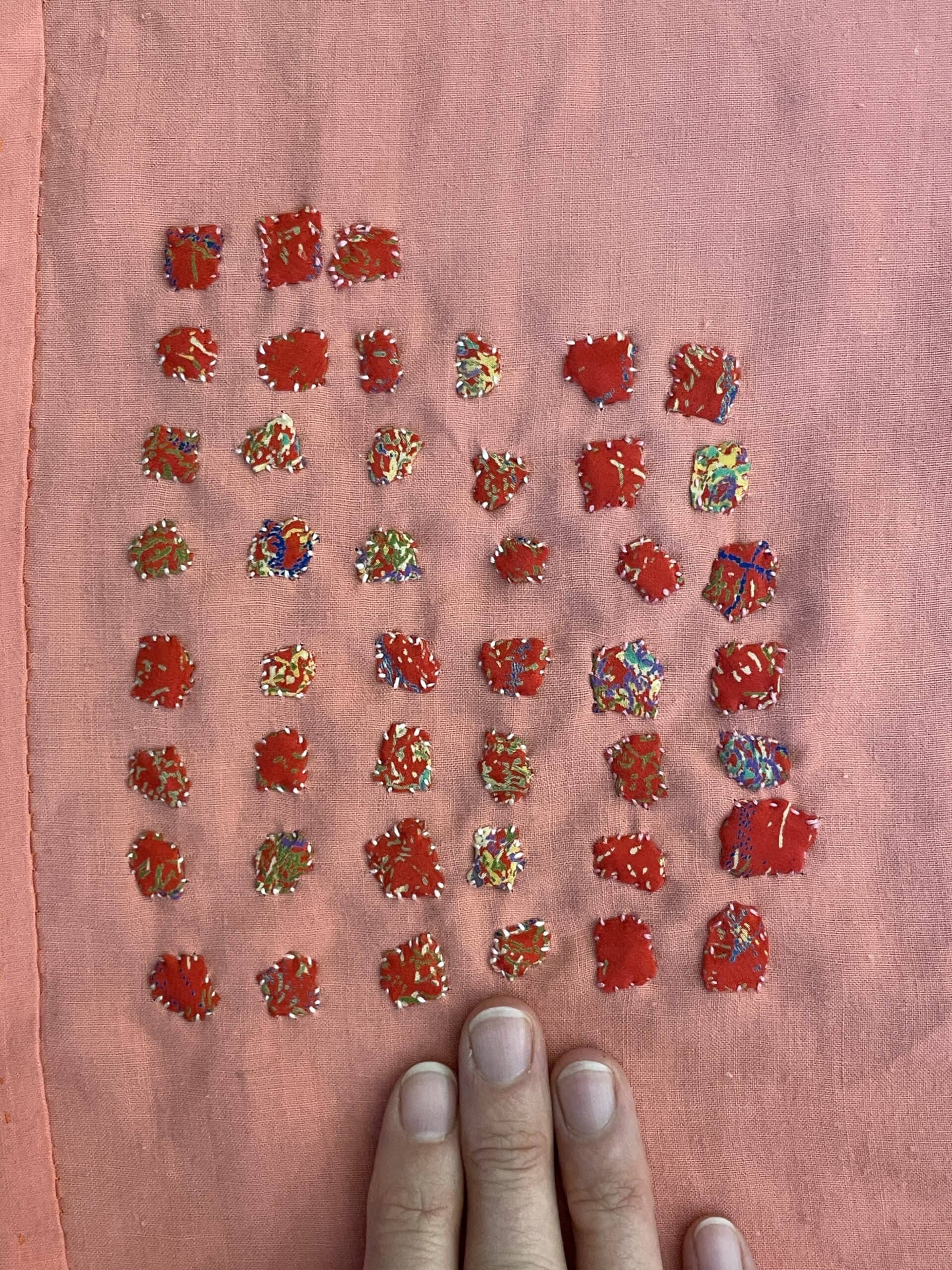
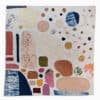
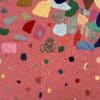
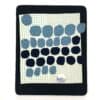
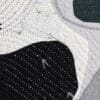
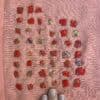
Beginners and advanced stitchers alike are welcome in this class! Quilting is a special process by which makers create a quilt top, then quilt the top with batting and backing, and then bind and hopefully sign their work. This class will focus on a special way of making a quilt top: appliqué. Students will select a base fabric, and then apply (appliqué) fabric to that top. Instructor Heidi Parkes will share her unique approach of attaching that appliqué in humongous and teeny-tiny pieces using visible stitches, made by hand with a needle and thread.
This approach with a wholecloth base fabric is appealing because our work is not about reaching a specific size. Instead, our work is about composition! Heidi will highlight a joyful aesthetic, which you can learn more about via Ingrid Fetell Lee, author of Joyful: The Surprising Power of Ordinary Things to Create Extraordinary Happiness in her 13-minute TED Talk.
Students can choose to make a 5×5’ or a 40×40” quilt. They will receive pre-recorded instruction from Heidi a month before we gather to begin learning stitches and selecting fabrics to pack. On the last day of the workshop Heidi will demo quilting, binding, and signing your name so that students can complete their quilts independently at home.
Students will be welcome to use 2 sewing machines in the Sanborn Mills studio in addition to the hand sewing techniques highlighted in class.
This class is beginner friendly and simultaneously engaging and playful with new approaches to familiar techniques for experienced quiltmakers.
Skills and Techniques:
- Visible hand sewing techniques (highlighting 3 knots, and 3 stitches)
- Embroidery techniques
- Large and small-scale appliqué
- Composition that embraces a joyful aesthetic
- Introduction to hand quilting, hand binding, and hand embroidering your signature
- Hand care (hand yoga and tips for thimble use)
Materials Fee: None. Students will receive a surprise gift from Heidi at the start of class, and they will also receive access to online instruction one month in advance to begin practicing their stitches.
Special Tools or Equipment to bring: Unless specified below, you are welcome to use the preferred supplies that you are comfortable with using. If you have questions about what materials Heidi uses, additional information, photos, and links are available on her website.
Required:
- Base fabric:
- A large solid piece of base fabric to applique on. 5×5’ or 40×40” recommended. A piece of unbleached muslin in a large width is a lovely choice, but you can also sew with a solid colorful base (yardage can be sewn together to create a wide enough base), or with a low threadcount bedsheet—test sewing through two layers in advance to confirm that yours will work well and be gentle enough on your hand.
- Fabric for appliqué:
- Natural fibers (especially cotton, linen, and silk) are the easiest to work with, but experimental options can be fun too!
- Naturally dyed fabrics work especially well and are highly recommended.
- Solid colors will work well in general, but think about creating a mood. Slightly muted, complicated colors will likely work better than primary colors.
- Tiny prints like stripes, polka dots, and even toiles are relatively easy to include.
- Lace and velvet. Velvet takes natural dye very easily. Lace can be round or in a strip.
- Domestic textiles like handkerchiefs, clothes, curtains, can be enjoyable to find and repurpose.
- Thread – Heidi’s favorite is DMC Pearl Cotton size 8. Also nice are size 10 crochet cotton and sashiko thread. Consider threads that both match and contrast with your fabrics. Use what you have, other brands are welcome too.
- Needles that work with your thread – Heidi uses the Dritz Milliners multipack, emphasizing size 5 and 7 needles
- Pins (straight and/or applique)
- Safety pins
- Pushing thimble, to protect your fingers while sewing (The Clover Protect and Grip Thimble is Heidi’s favorite, linked in her Amazon shop)
- Pulling thimble or gripper (Heidi’s favorite is the Little House Needle Gripper Silicon Thimble, available from from Snuggly Monkey. Use this $5 discount code.) You can also use a needle puller or rubber gripper like a square of Dycem Non-Slip
- Embroidery hoops, any size will work, but ideally 3”, 6”, and 10”
- Scissors
Optional:
- Rotary cutter
- Cutting mat for rotary cutting
- Clear ruler for rotary cutting
- Cardboard, thin from a cereal box
- Aluminum foil
- White, easily transparent tissue paper, repurposed from gift wrap is fine
- Hera marker, fabric pencil, or air-erasable pen
Marker, like a crayola washable, or other soft-tipped tool to draw on the tissue paper without ripping it
Workshop and Cancellation Policies: Please read our 2026 policies before registering for a workshop. https://www.sanbornmills.org/workshop-policies/
Housing for this workshop is limited. Please email karen@sanbornmills.org for more information