
Since the 1770s
History
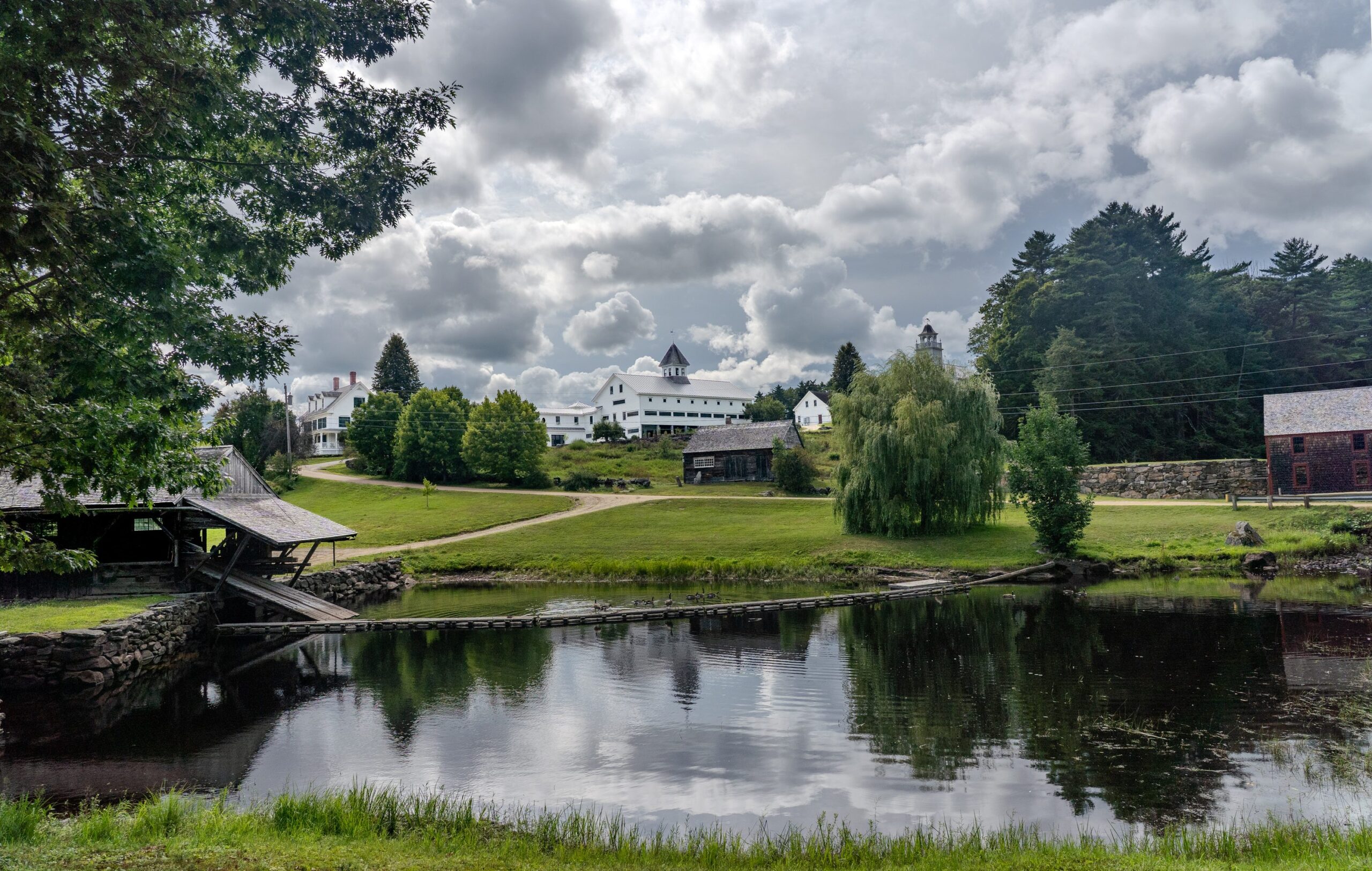
Six generations of Sanborns farmed and milled this land with water and animal power. Since 1996, the Cabots and the people who work here have restored its mills and buildings and opened it to students and the public.
The Sanborn era
Six generations on one farm
John Sanborn
1747–1826
The Sanborns had been in New Hampshire since about 1640, when the first of them settled in Hampton. John's grandfather, also named John (1681–1727), did well on the Seacoast and raised twelve children. His father, Elisha (1710–1786), was a lumberman, housewright, surveyor, and furniture maker who bought a share in a sash sawmill in Loudon. John was a surveyor too. He came northwest from Exeter, and in 1770 and 1773 he bought the Loudon land where his father's sawmill stood. Known as Captain John, he fought in the Revolution, served as a town official, and was for a time Loudon's largest taxpayer. At its height the family's land ran to more than 1,000 acres.
Edmund Sanborn
1788–1880
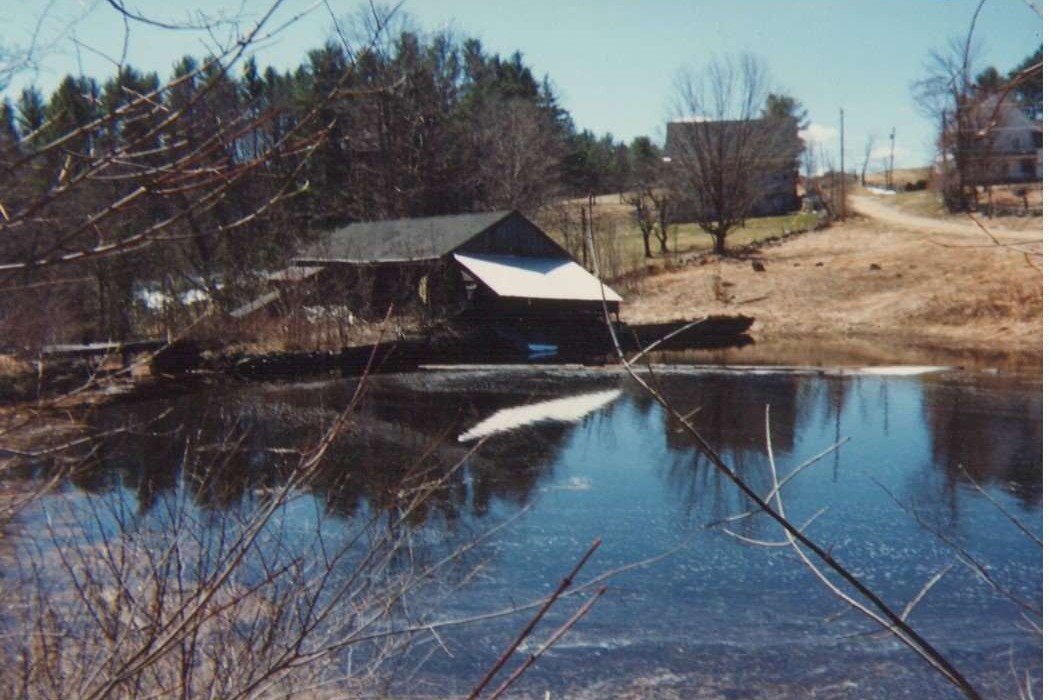
John's son built the farm that is Sanborn Mills Farm today. He rebuilt the dam on Sanborn Pond, and in 1829 and 1830 he had millwright Theodore Farnum Elliott of Penacook, married to his daughter Sally, build the sawmill and grist mill that still stand.
James B. Sanborn
Built the Main House, 1875
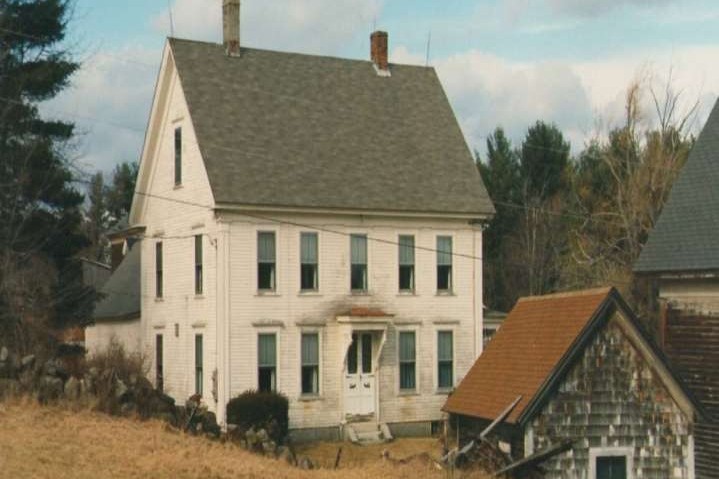
In the 1870s James replaced the sawmill's up-and-down sash saw with a circular blade, and a 56-inch Lane blade followed in 1891. His second wife was Mary Yeaw of Providence, Rhode Island. He built the Main House for her in 1875 and remodeled several barns in the Greek Revival style. Family lore holds that Mary would not move to rural Loudon without a modern Victorian house.
John B. Sanborn
Water and animal power, 1863
John B. was one of the last farmers in the area to work by century-old methods, with water power and draft animals. A telephone arrived in the 1920s, but the house had no electricity until 1951. With his second wife, Jennie Ring, he raised four children.
Albin Sanborn
Died 1972
John B.'s son farmed with his wife, Bernice Richardson, and was known around town for his strength and his sharp dealing. He brought the dairy up to date with milking stanchions, a bulk milk tank, and a loafing shed at the barn. After his death in 1972, Bernice and their son John kept the farm, and John shipped milk until the mid-1980s. When John died in 1995, the farm was put up for sale.
From the family album
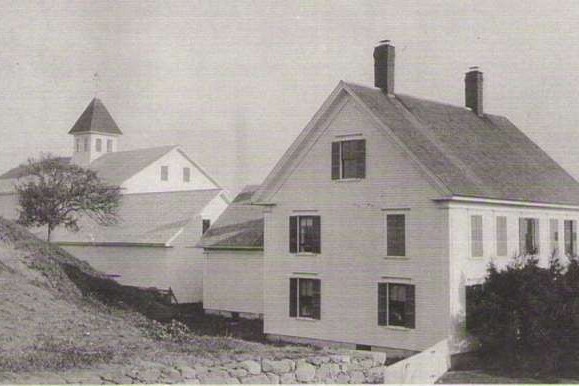
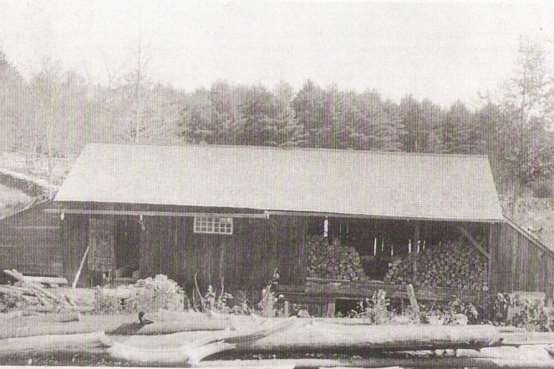
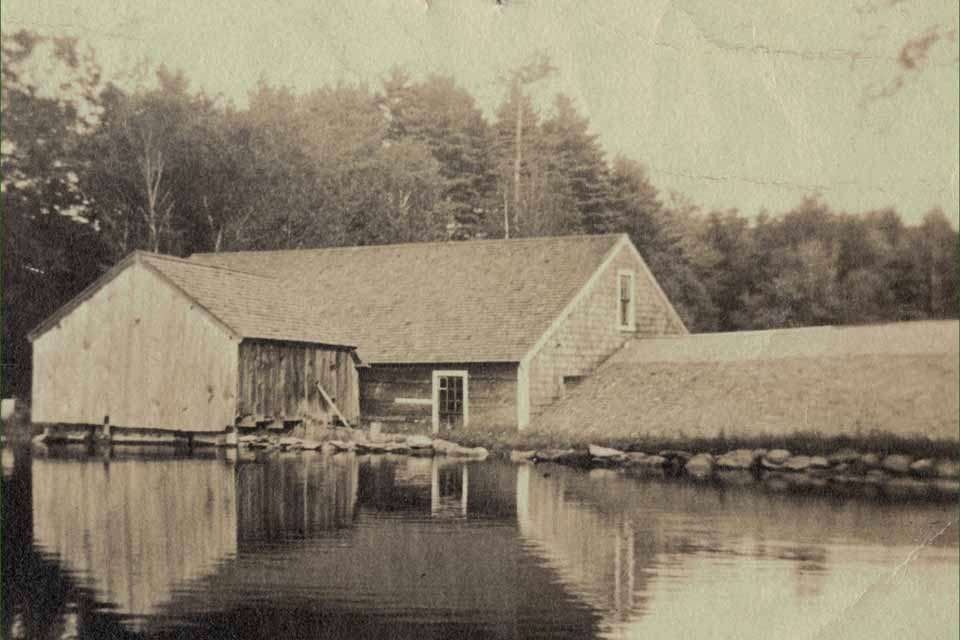
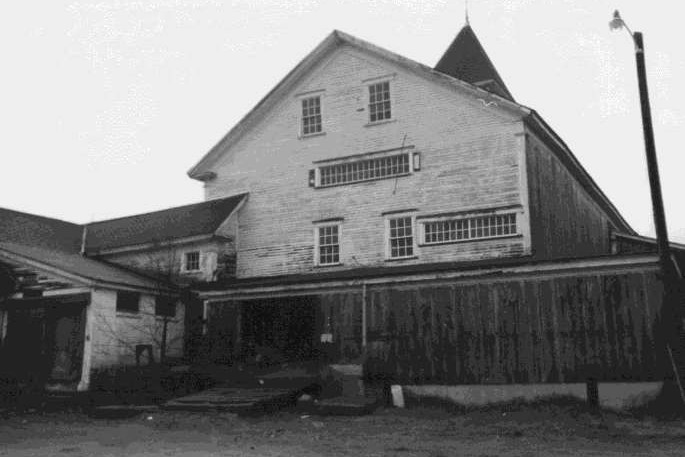
The skills that built this farm are kept by doing them, in the mills, the fields, and the studios.
The Cabot era
Restoring the farm, 1996 to today
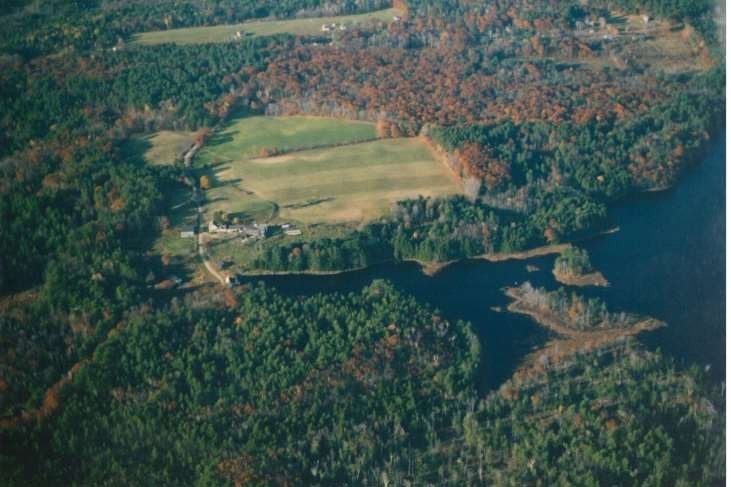
Colin and Paula Cabot bought the farm in 1996 and moved in from Milwaukee on July 4, 1997. That year they met Albin’s sisters, who became friends and shared much of what is known of the farm’s past.
1996–2005
1996–97
The Cabots buy the farm and renovate the ell of the Main House.
1999
The inside of the Red House, a late-1700s cape saved in Maine and raised here in 1998, is finished with 18th-century hand planes. The Bachelder-Edgerly barn, built in 1806 on Route 4 in Northwood, is brought here and stored on the farm. The horse barn’s chimney and forge are rebuilt.
2000
The dams, mills, and blacksmith shop become a separate five-acre lot. The sawmill is moved off its dam.
2001–02
Swett Bridge Builders pours a new dam core, finished in February 2002. Black Cotswold sheep arrive.
2003
The first public workshops. The farm takes over its own haying.
2005
The Bachelder-Edgerly barn, now the Grano Barn, is fitted for oxen. A new blacksmith shop opens with its first workshop. Restoration of the Lane saw begins.
2006–2014
2006
The turbine and tailrace are finished and the sawmill runs on water again.
2007
Horse logging and tinsmithing workshops are added, and an 1800s corn crib is moved to the farm.
2008
Teamster Les Barden donates his Percheron horses and equipment, and new barns are built for them, among them the Barden Barn, named for him.
2009–10
The grist mill is taken down, moved, and rebuilt on a new foundation. Heavy rain breaches the dam on December 29, 2009.
2011
Work begins on the Main House addition: guest suites, a meeting room, and a dining room.
2012
The grist mill dam is rebuilt again and Joe Merrill’s barn is restored. Vegetable farming begins.
2014
Loudon’s former Grange hall is dismantled and brought to the farm. Restoration of the Sanborn Barn for classrooms, a bunkhouse, and kitchens begins.
2015–today
2015
The Great Room and the Main House's wraparound porch are finished, and the grist mill's penstock is rebuilt in concrete.
2016
The restoration of the Sanborn Barn is finished. Fifield Relocation and Restoration of Canterbury restored its timber frame, and its cellar became the kitchen and dining hall. Rock walls extend the ornamental garden. The farm hosts a Draft Animal Convening.
2017
Bernice Sanborn’s 1929 garage becomes a grinding room.
2018
Carving, basketry, and floor cloth workshops are added, with beekeeping, a solar wood kiln, and 7,250 bulbs. The farm hires its first Executive Director.
2019
The additions to the Sanborn Barn complex are finished, and the room later named Fifield Hall is readied for looms and spinning wheels.
2020
Work pauses for COVID-19 in March and resumes outdoors in May. An outdoor wood-fired bread oven is built.
2022
The Dye Studio opens on the level below the Grange, and the dye garden grows to supply it.
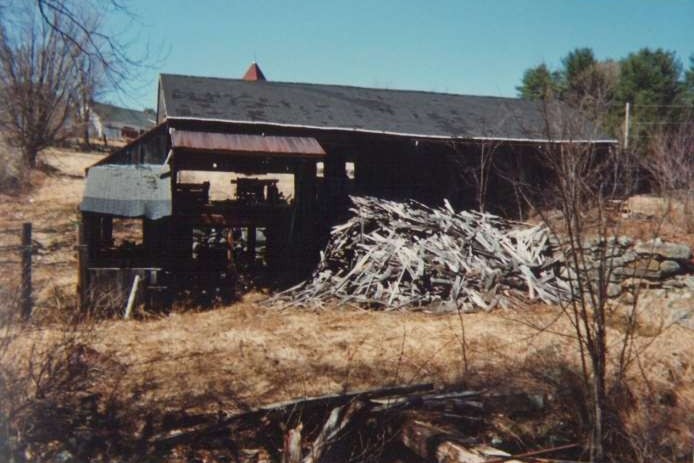
The farm the Cabots found
Read more
From the family and the archive
Ruth Sanborn King, John B.'s daughter and one of Albin's sisters, published Listen to the Crickets, her memoir of rural New Hampshire in the early twentieth century, in 2009, at the age of 100. Many of the Sanborn sisters' stories are in it.