
THE COLORS THAT REMEMBER
Rosa Chang and the Quiet Alchemy of Korean Natural Dye Traditions
“Color holds memory,” Chang observes, her hands familiar with the subtle, shifting alchemy of plants.
Rosa Chang works at a different pace. One set by the slow fermentation of an indigo vat, the seasonal pull of the earth, and the quiet weight of ancestral memory. A first-generation Korean immigrant, artist, and researcher moving between Baltimore and New York, she approaches natural dyeing as restoration. It is a way back to place, a record of identity, and a practice of close attention to the living world.

Register for Rosa Chang's Workshop
-
Workshop: Mindful Colors: Natural Dyes and Sustainable Textiles from Korea and Beyond
-
Dates: August 26–30, 2026 | 9:00 AM – 5:00 PM
-
Location: Sanborn Mills Farm, Loudon, NH
-
Investment: $720 (Materials and profound shift in perspective included)
The Anatomy of Reflection
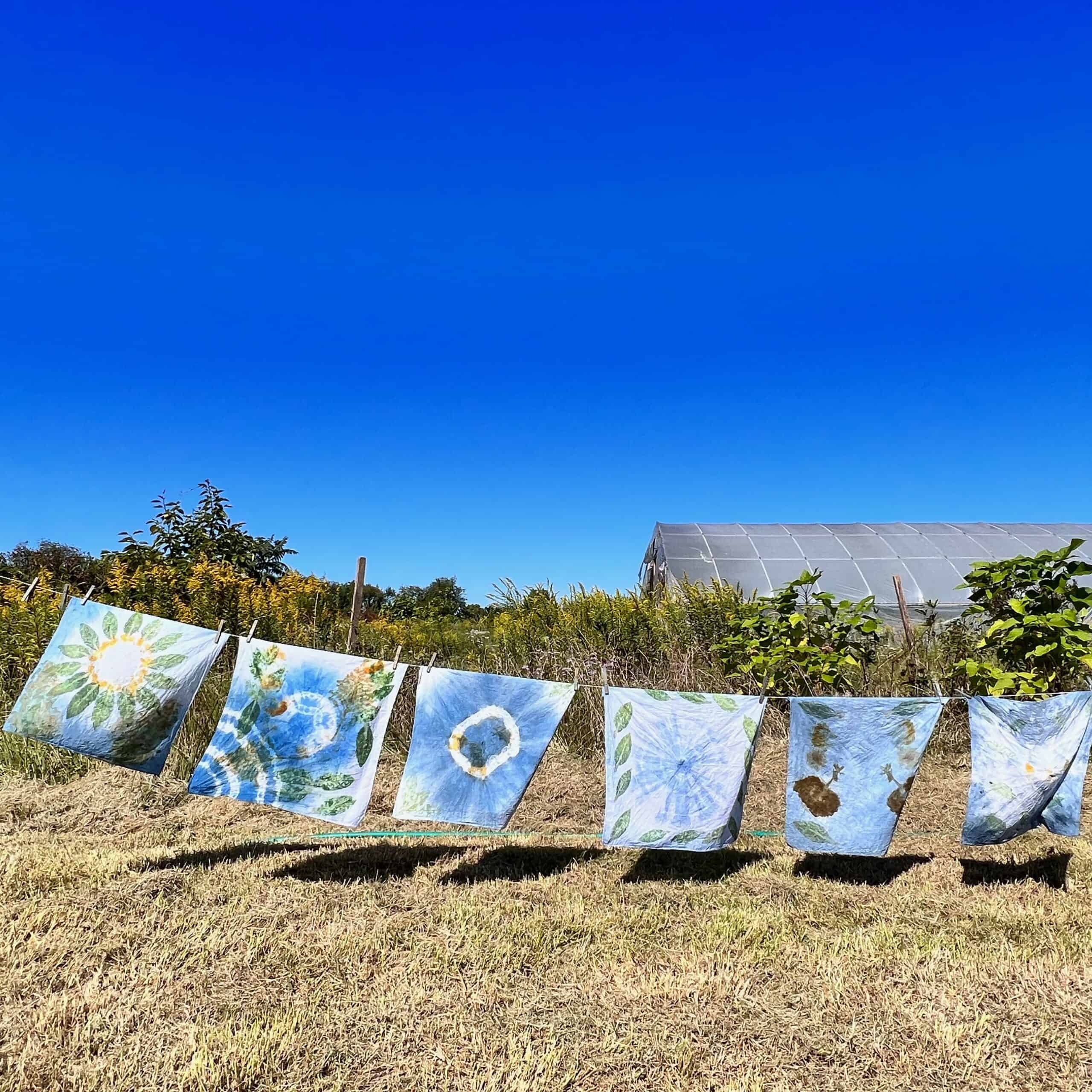
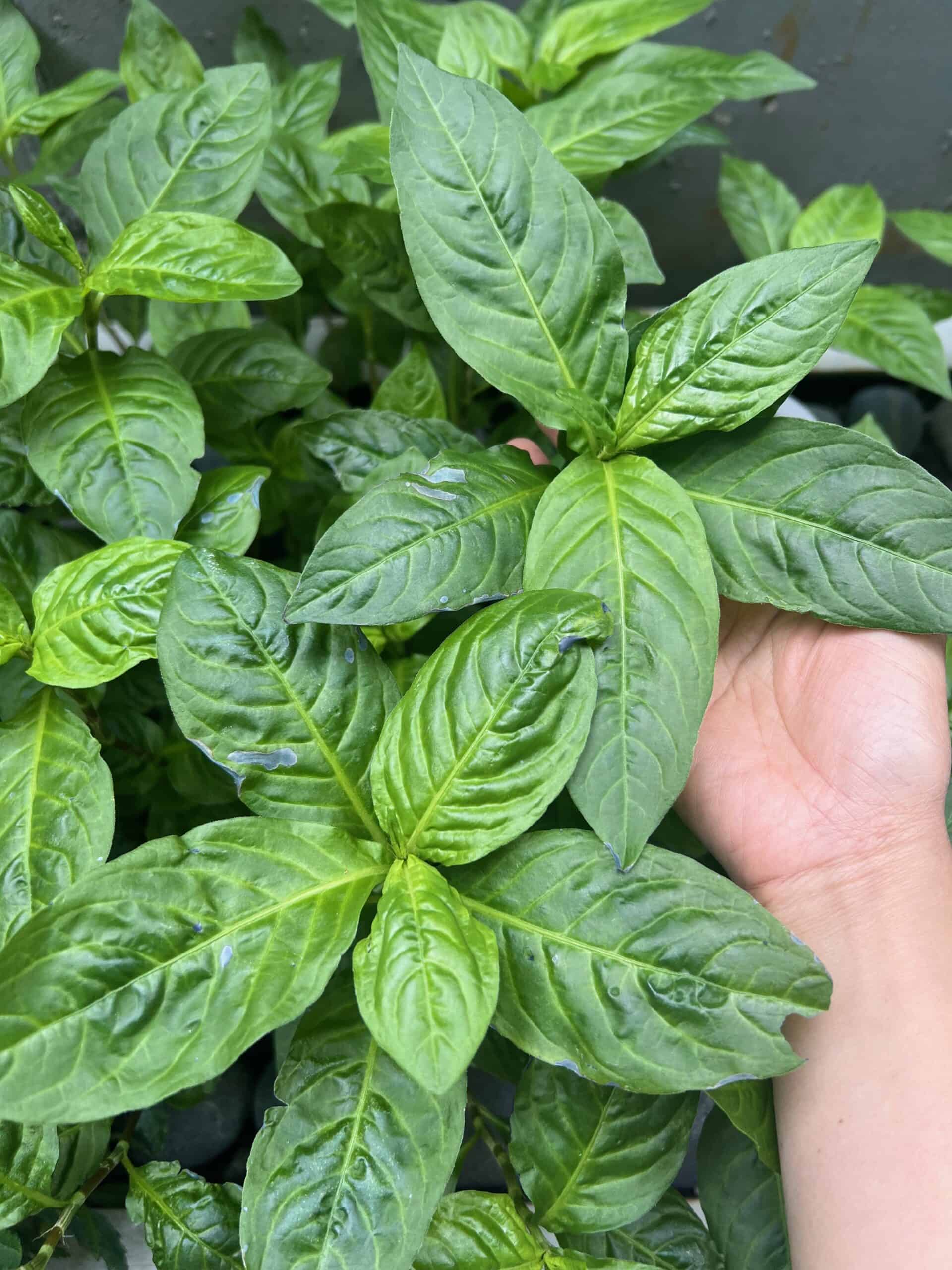
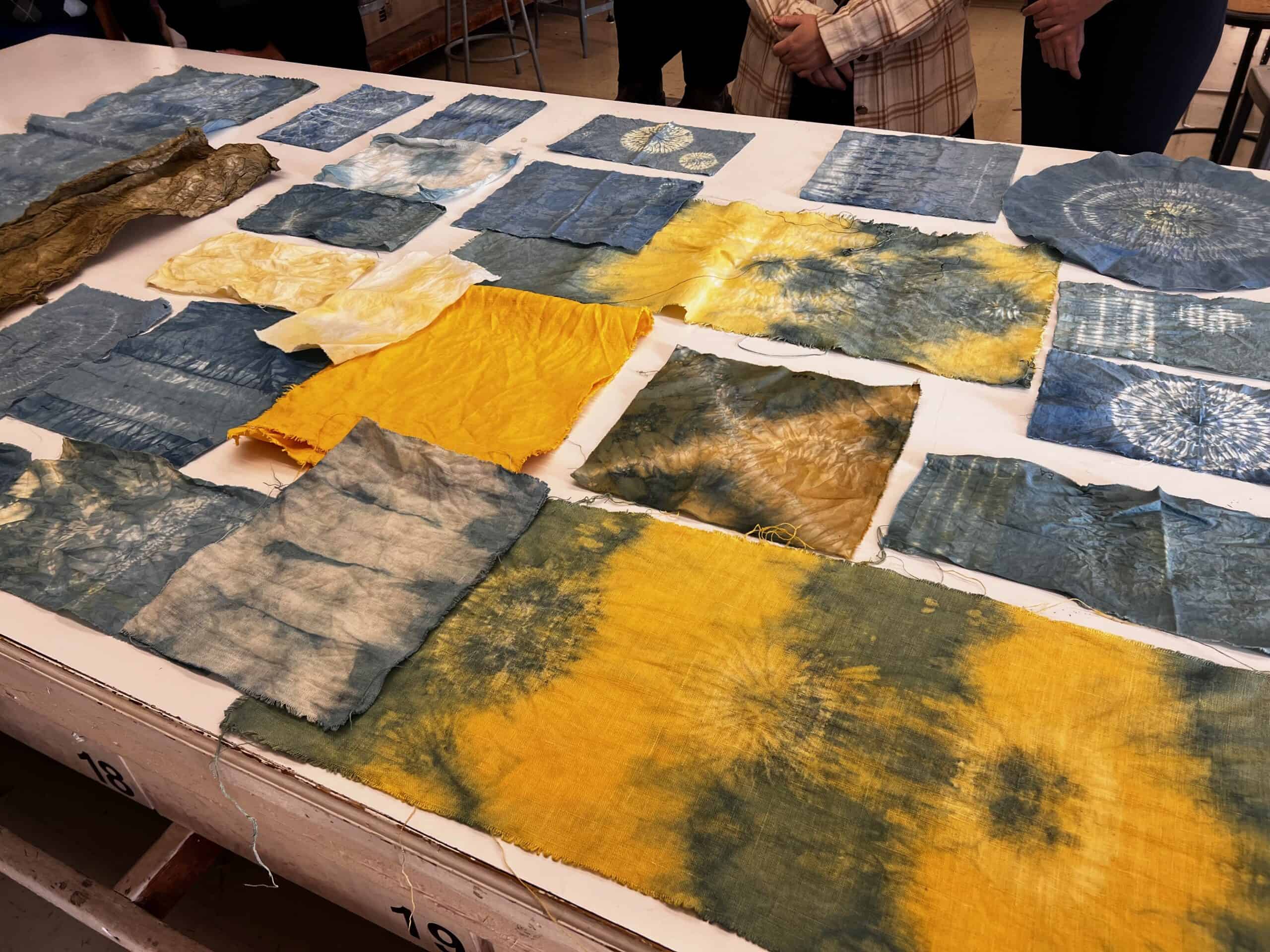
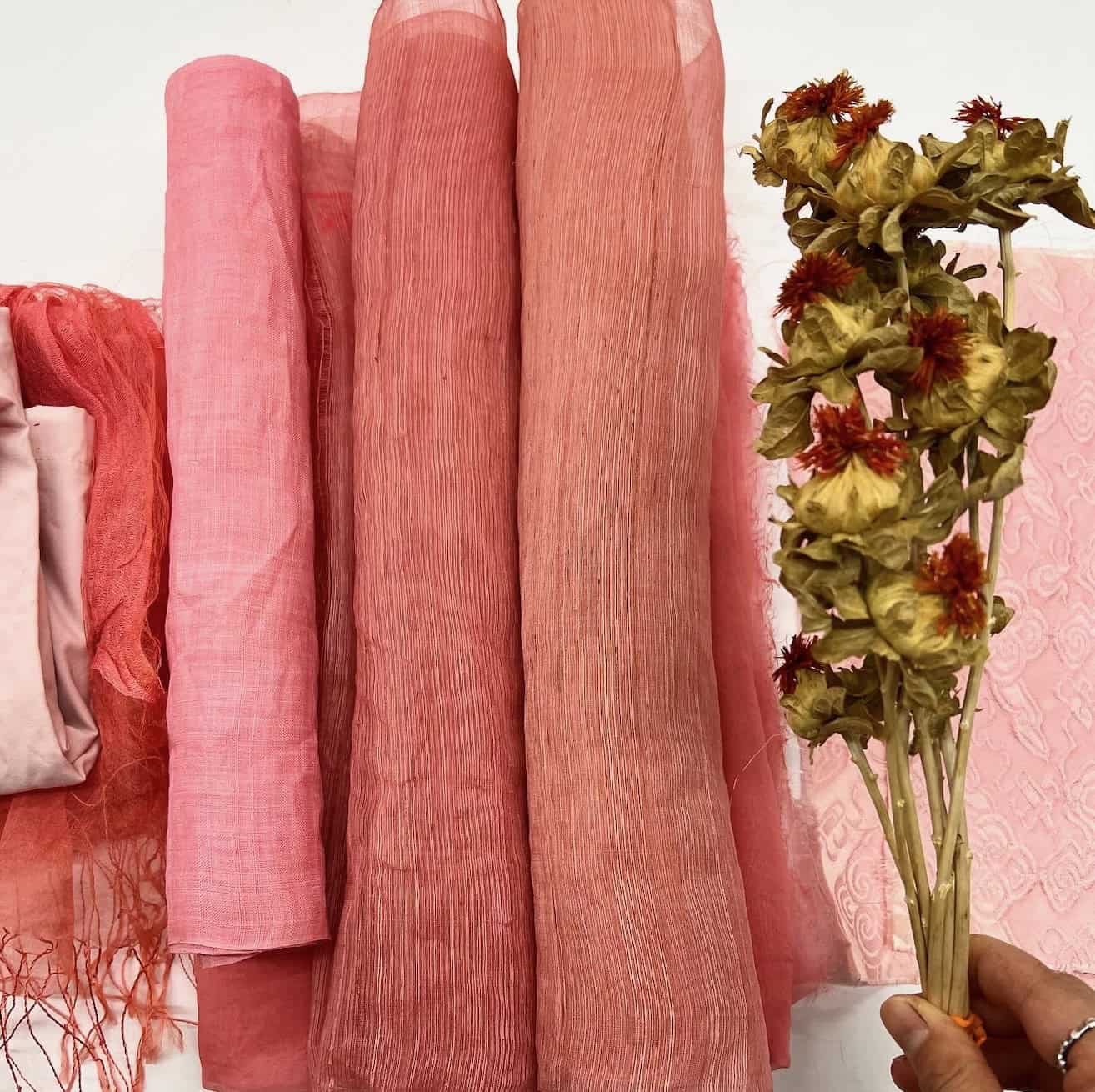
Spend time with Rosa Chang and color begins to feel like something with a history still attached. In traditional Korean and broader East Asian practice, pigments stay alive. Deep indigo blues, golden gardenia pods, safflower pinks, purple gromwell roots, and the brown-blacks of fermented persimmon carry the soil they grew in and the hands that tended them. Many of these same plants were once valued as medicine as much as for the colors they gave.
That understanding found its fullest expression in her debut book, My Indigo World. What began as a search for English-language writing on Korean indigo became an elegant, award-winning account of her heritage. The book has been recognized by the New York Public Library and the Library of Congress, and it was featured on the CBS Morning Show in June 2025. It stands as both tribute to the makers who came before her and a practical anchor for anyone working with these materials now.
As adjunct faculty in the Fiber Department at the Maryland Institute College of Art and Executive Director of Hand Papermaking, Inc., Chang moves easily between scholarship and the studio. She invites students across a threshold into a more deliberate relationship with the materials at hand.
A Human Scale in a Machine Age
What sets Chang’s work apart is her insistence on keeping technique tied to its origins. A textile dyed by her is never only color. It is the meeting of botany, chemistry, ecology, and human labor.
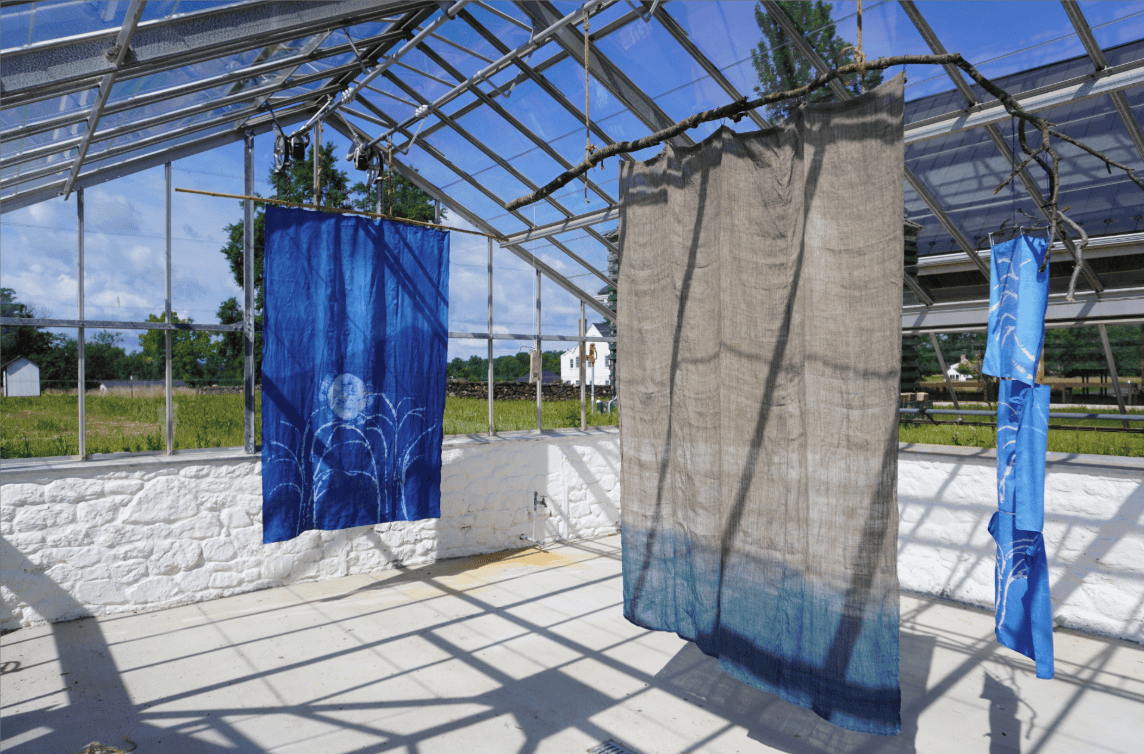
“Natural dyeing demands a surrender of control,” she says. That stance runs against a culture that prefers uniform, chemically locked color. In her practice, variation is evidence of life. The hour a leaf is harvested, the mineral content of the water, the temperament of an indigo vat on a warm morning—all of it leaves a mark. The process asks for patience measured in days rather than minutes. The finished cloth becomes a record of that time and attention rather than a disposable product.
Where Legend Meets the Soil
For Chang, heritage is a living conversation. Through her Indigo Shade Map project she has spent years tracing textile lineages across borders, treating craft traditions as connected languages rather than isolated relics. Her own work draws from Korean methods while remaining open to related practices from Japan and the wider region where knowledge has moved for centuries. The questions she returns to are practical ones: how to work with what is at hand, how to waste less, how to stay in relationship with the plants and places that supply the color.
This August that conversation settles at Sanborn Mills Farm in Loudon, New Hampshire. The farm’s timber-framed buildings, water-powered mills, and established natural dye garden share Chang’s regard for continuity. Here students can walk the same ground the plants grow in, harvest under the New England sun, and carry the material straight into the studio. The full cycle—from garden to vat to finished cloth—is available in one place.

"Natural dyeing demands a surrender of control"
The Immersive Vessel
Over the course of five days, from August 26 to 30, Chang will open a sanctuary of learning with her masterclass, Mindful Colors: Natural Dyes and Sustainable Textiles from Korea and Beyond.
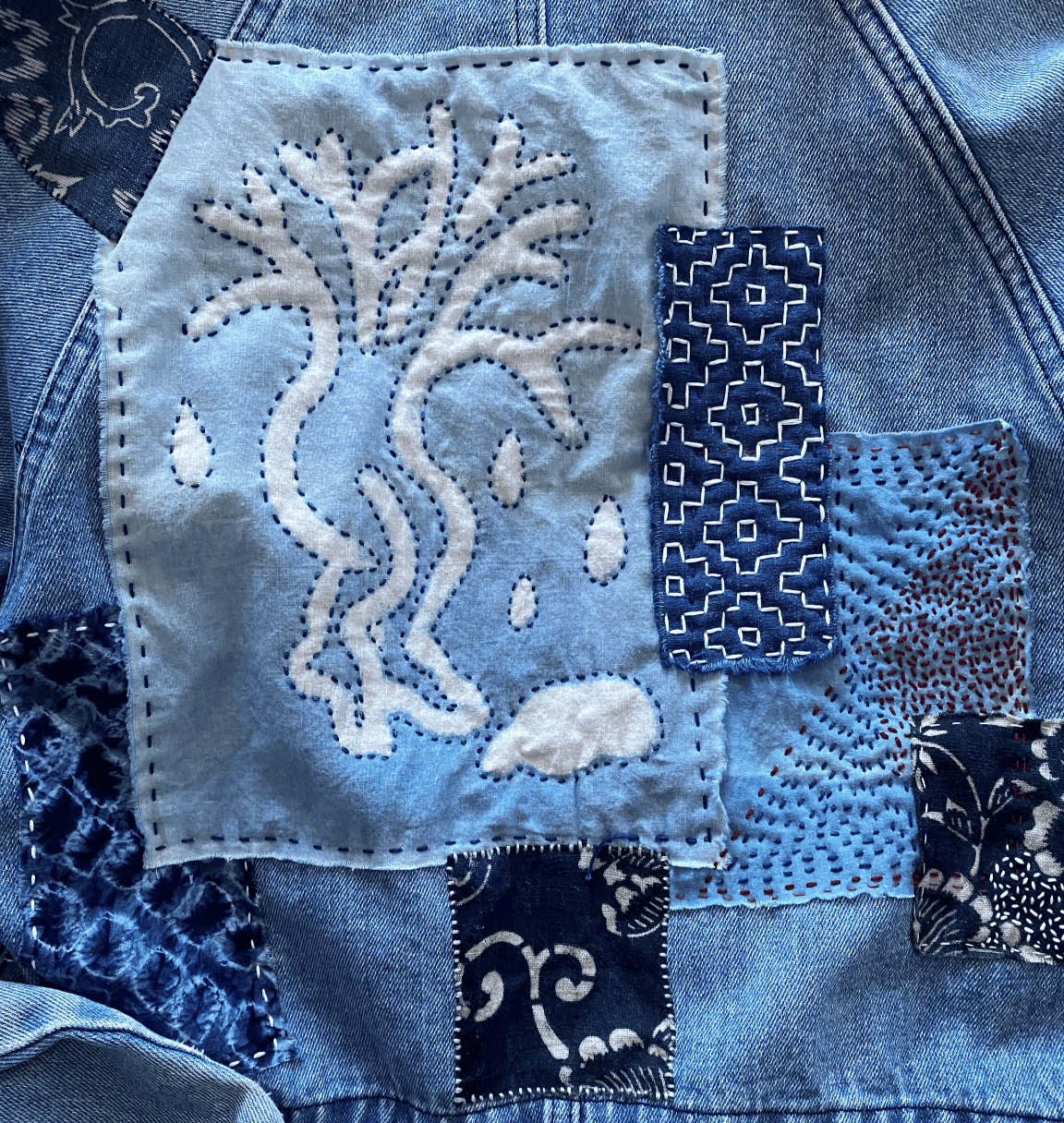
This immersive experience is designed to shift the maker’s mindset entirely. Participants will engage in the ancient rhythm of preparing and maintaining living natural indigo vats. They will explore the precise, geometric poetry of fabric patterning techniques, including Japanese shibori and traditional soy resist printing. They will harvest fresh plants directly from the farm’s dye garden to practice Tatakizome—the rhythmic, ancient art of hammering raw leaf and flower pigments directly into cloth. They will slow their breathing to the pace of the needle, practicing the meticulous hand-stitching inherent to Bojagi—the Korean art of patchwork wrapping cloths that find beauty and purpose in fragments.
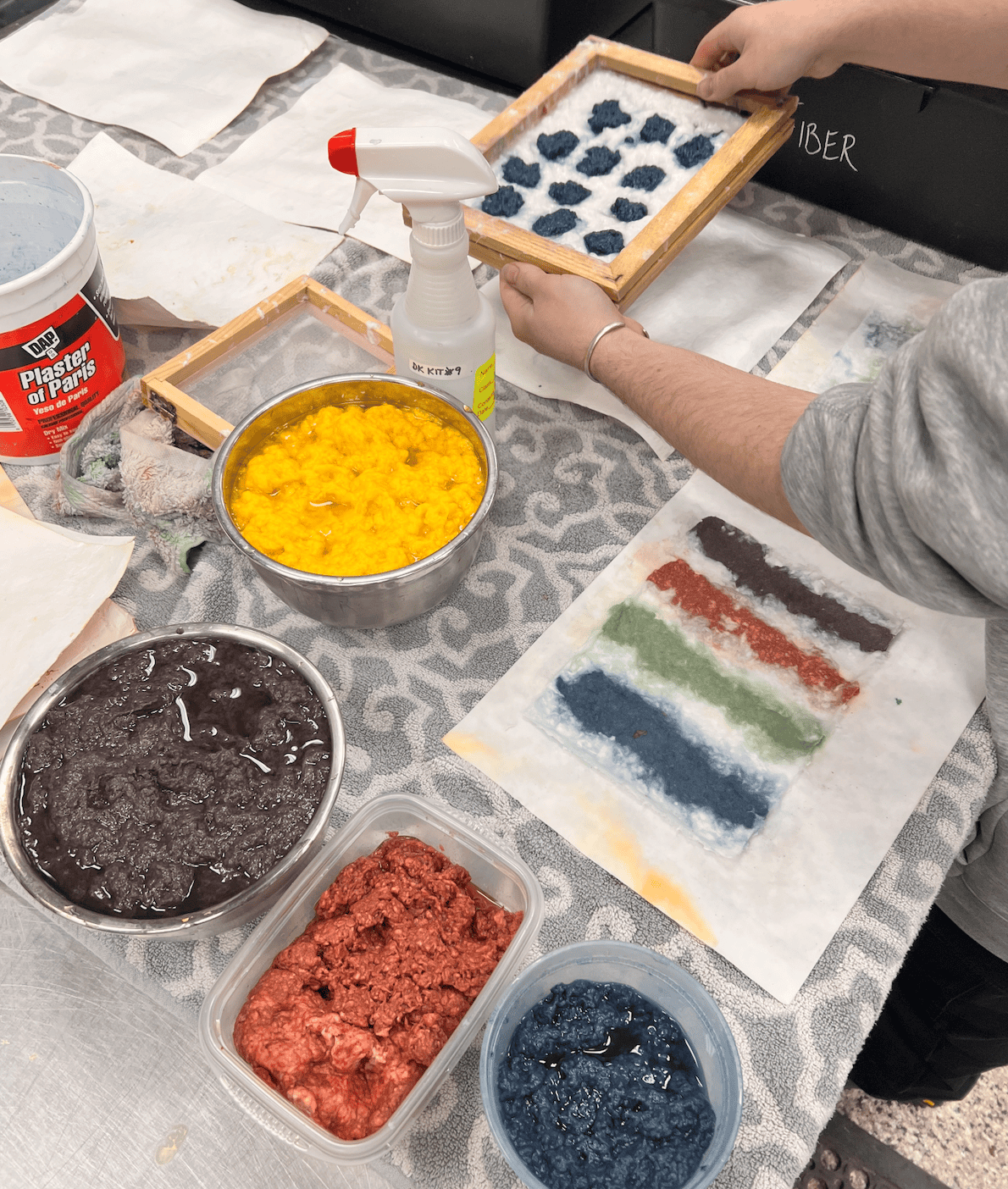
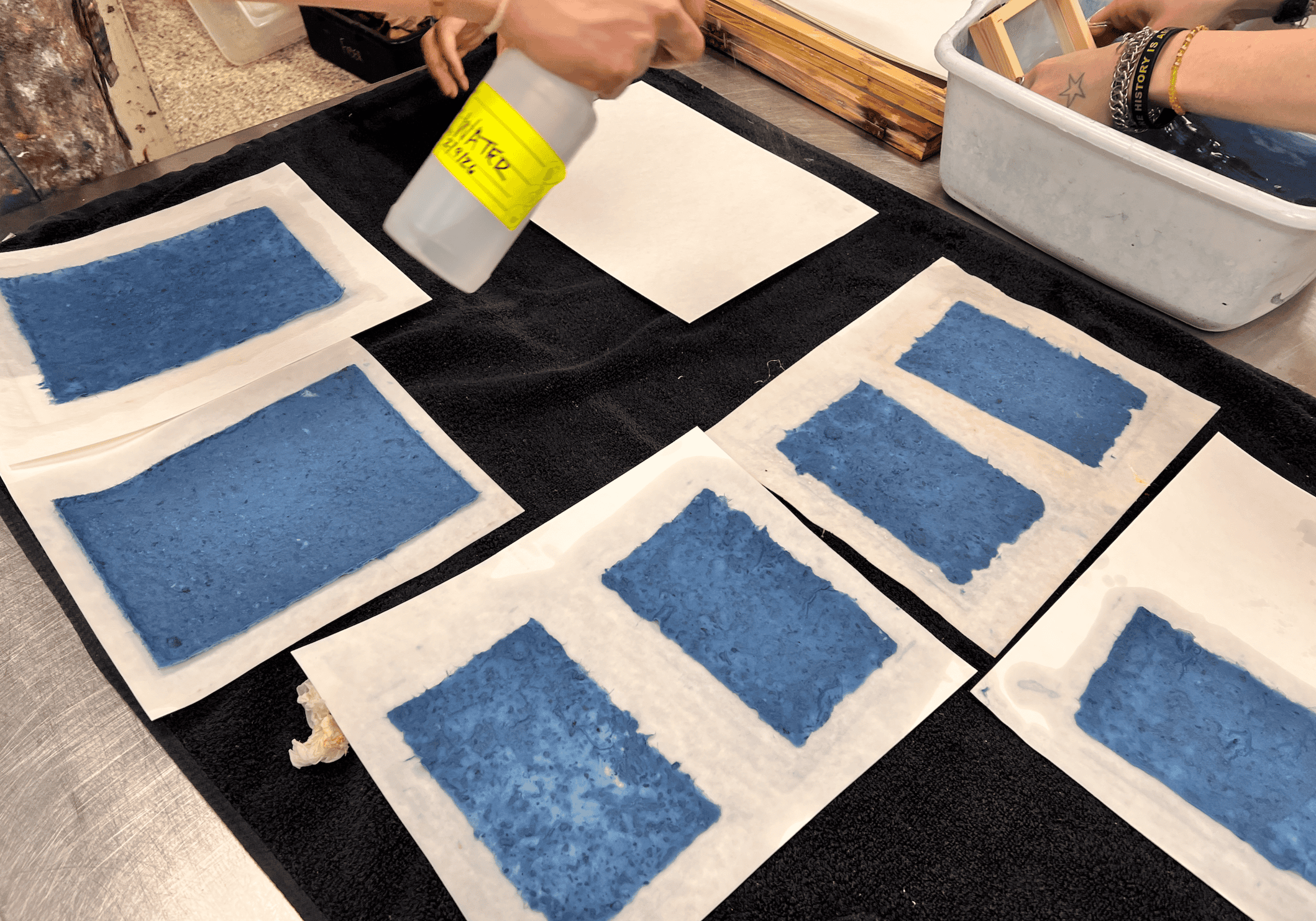
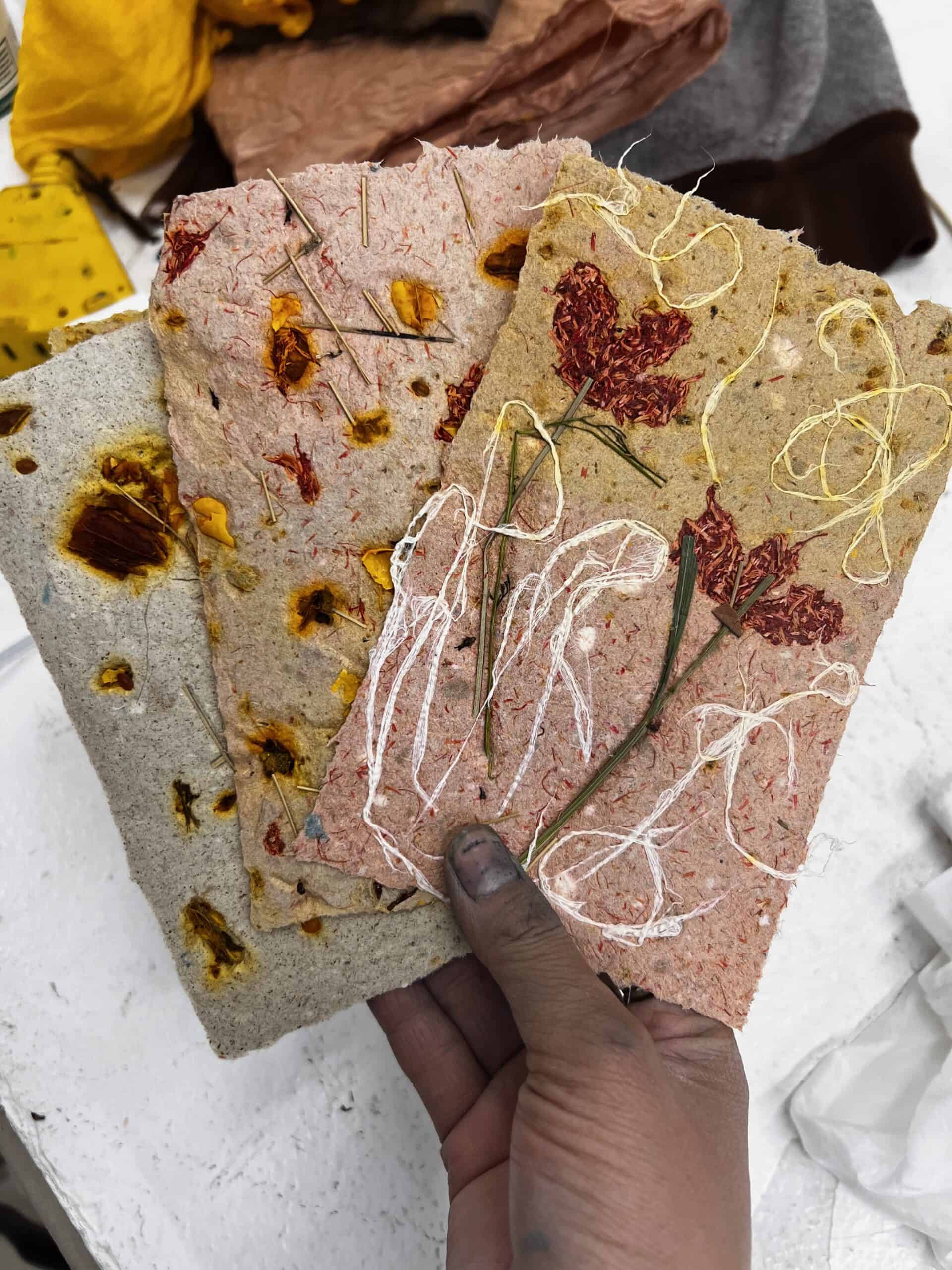
In a beautiful nod to ecological circularity, students will even experiment with papermaking, utilizing the fibrous residues and material leftovers from the natural dye pots to create a practice of creative reuse.
Makers will emerge from these five days holding a personalized, hand-bound color chart book, exquisite Bojagi samples, and custom handmade papers. But the true artifact they will take home is intangible: a renewed understanding of why we make, a grounded connection to a global lineage, and a poetic framework for moving through the world with reverence, stillness, and grace.
For those drawn to the quiet power of slow processes and the deep stories held within handmade things, this summer at Sanborn Mills Farm offers an extraordinary, luminous space to remember what modern life has so loudly forgotten.
Register for Rosa Chang's Workshop
-
Workshop: Mindful Colors: Natural Dyes and Sustainable Textiles from Korea and Beyond
-
Dates: August 26–30, 2026 | 9:00 AM – 5:00 PM
-
Location: Sanborn Mills Farm, Loudon, NH
-
Investment: $720 (Materials and profound shift in perspective included