
SHARE:


UPCOMING CLASSES
Introduction to Spinning and Weaving Linen
From Flax Fiber to Finished Cloth
Led by Andrea Myklebust | September 16–20
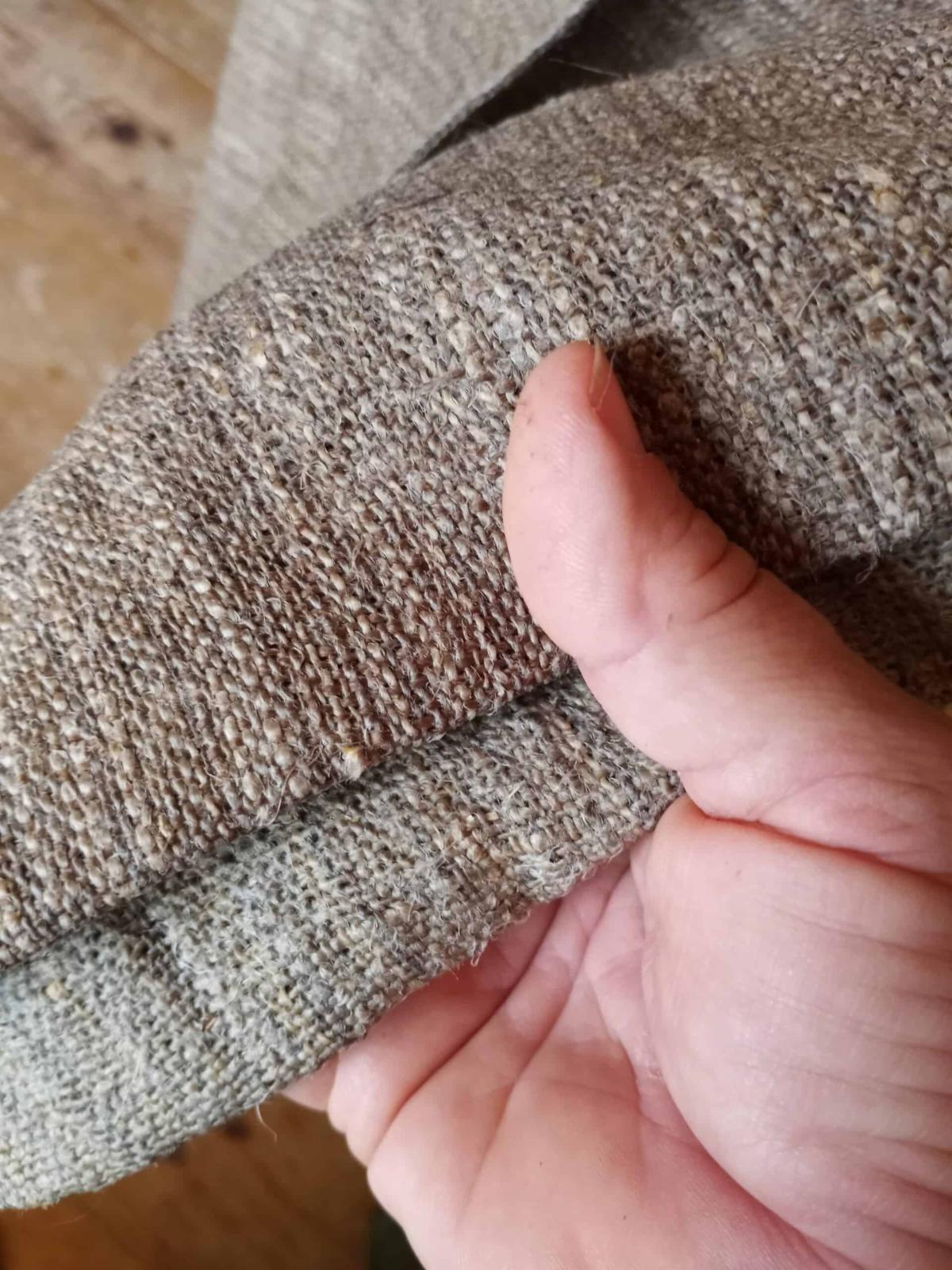
Linen begins as a plant in the field and ends as cloth that holds its own quiet authority. In this workshop students learn the full sequence of turning flax into usable fabric, working from raw fiber through spinning and onto the loom. No prior experience with either spinning or weaving is required.
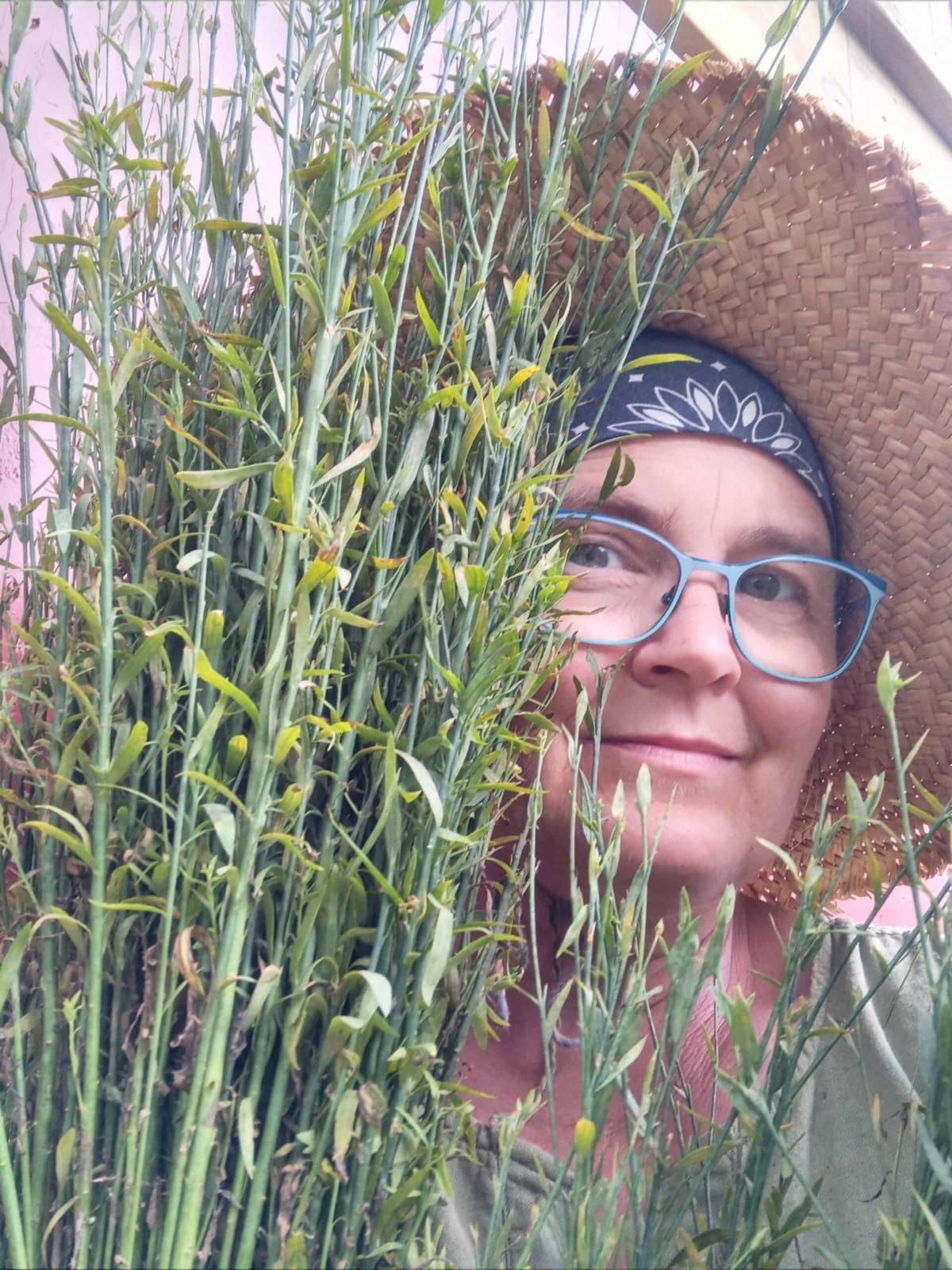
Under the guidance of Andrea Myklebust, a shepherd, spinner, and weaver based in southern Vermont, participants learn the specialized vocabulary of linen—line and tow, draft and twist—then spin, skein, and wet-finish their own yarn. They design a simple project, wind the warp, dress a four-shaft loom, weave the cloth, and complete the finishing steps once the piece comes off the loom. Myklebust grows and processes flax herself; her teaching rests on that same direct relationship between plant, tool, and hand. Students leave with a finished length of linen whose surface and hand reflect both the historic fiber and the individual work of the maker.
Forged Kitchen Knife
Build a Hidden-Tang High-Carbon Cooking Knife
Led by Emiliano Carrillo | September 23–27
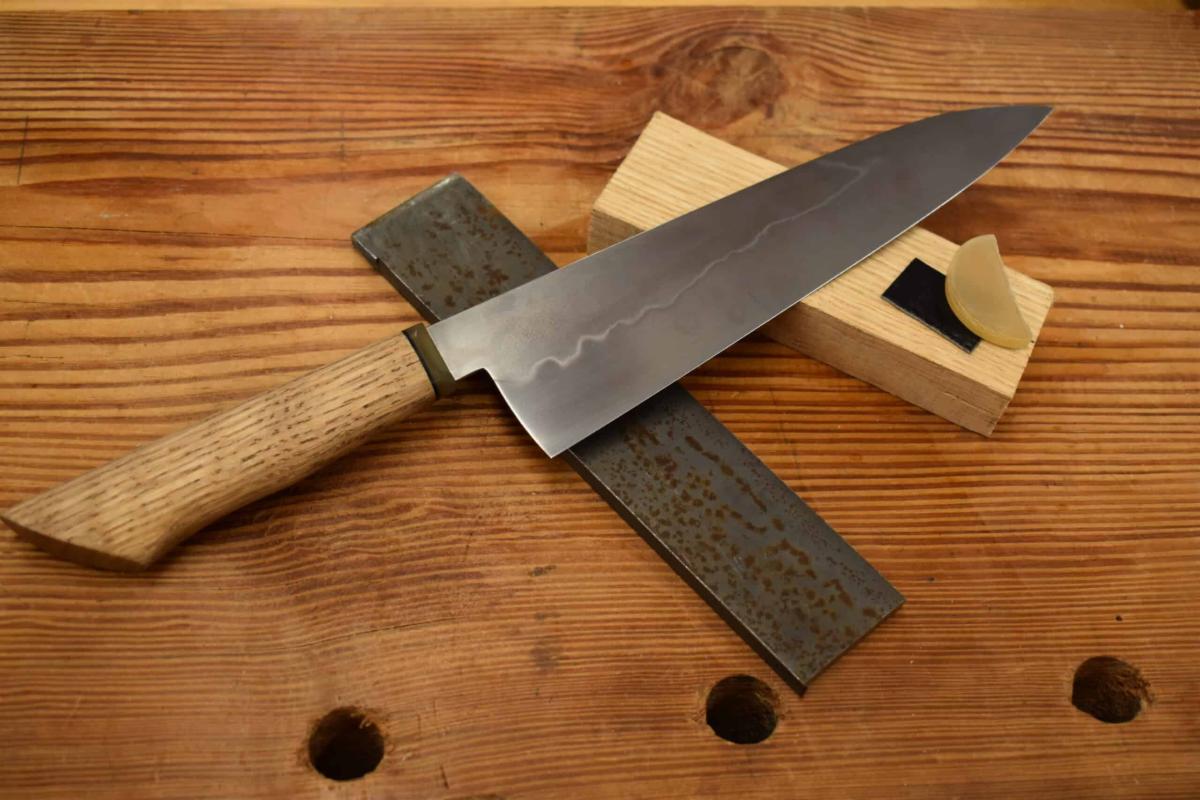
A well-made kitchen knife is a working tool whose proportions and balance reveal the care taken at every stage of its making. In this five-day workshop students forge 6- to 8-inch hidden-tang high-carbon cooking knives, reviewing the fundamentals of forging and grinding thin blades, accurate heat treatment judged by eye, handle construction, and polishing.
Under the guidance of Emiliano Carrillo, participants study effective kitchen-knife design and handle ergonomics while constructing multi-piece handles with metal or organic bolsters and wooden grips. Carrillo’s own practice is grounded in historical pattern welding and Japanese swordsmithing; he produces his own bloomery iron and steel and applies that material knowledge to contemporary culinary knives. Prior forging experience is strongly recommended. Students leave with a completed, polished, and sharpened knife ready for daily use.
Dishtowels: Playing with Blocks
Explore Block Threadings in Cotton and Cottolin
Led by Peggy Hart | November 6–8
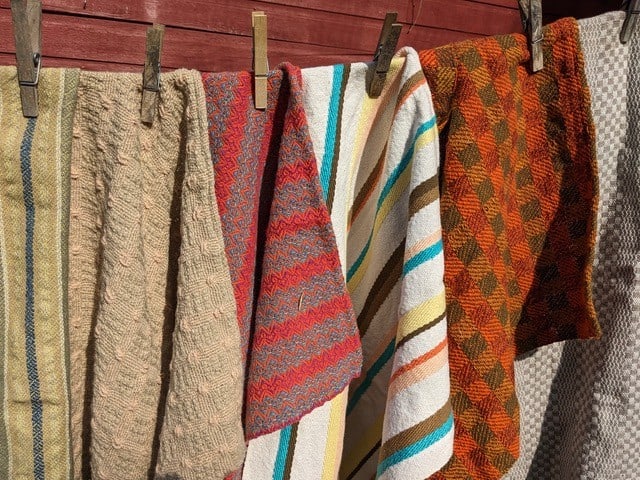
Dish towels offer a satisfying scale for exploring weave structure: they are quick to set up and immediately useful once finished. In this workshop students dress shared warps and weave three to four towels each, working with cotton and cottolin while expanding their drafting knowledge through block threadings.
Under the guidance of Peggy Hart, a production weaver who designs and markets hundreds of blankets each year, participants examine twill blocks, lace weaves, Ms and Os, and color-and-weave effects arranged as larger design units. Hart trained at the Rhode Island School of Design and spent decades weaving on Crompton and Knowles production looms; her approach favors clear structure and practical cloth. Students must already know how to warp a loom. They leave with a set of finished towels whose patterns demonstrate the possibilities of thinking in blocks rather than single units.
Introduction to Finishing for Woodworkers
Hand-Applied Finishes for Fine Furniture
Led by Brad Wolcott | November 6–8
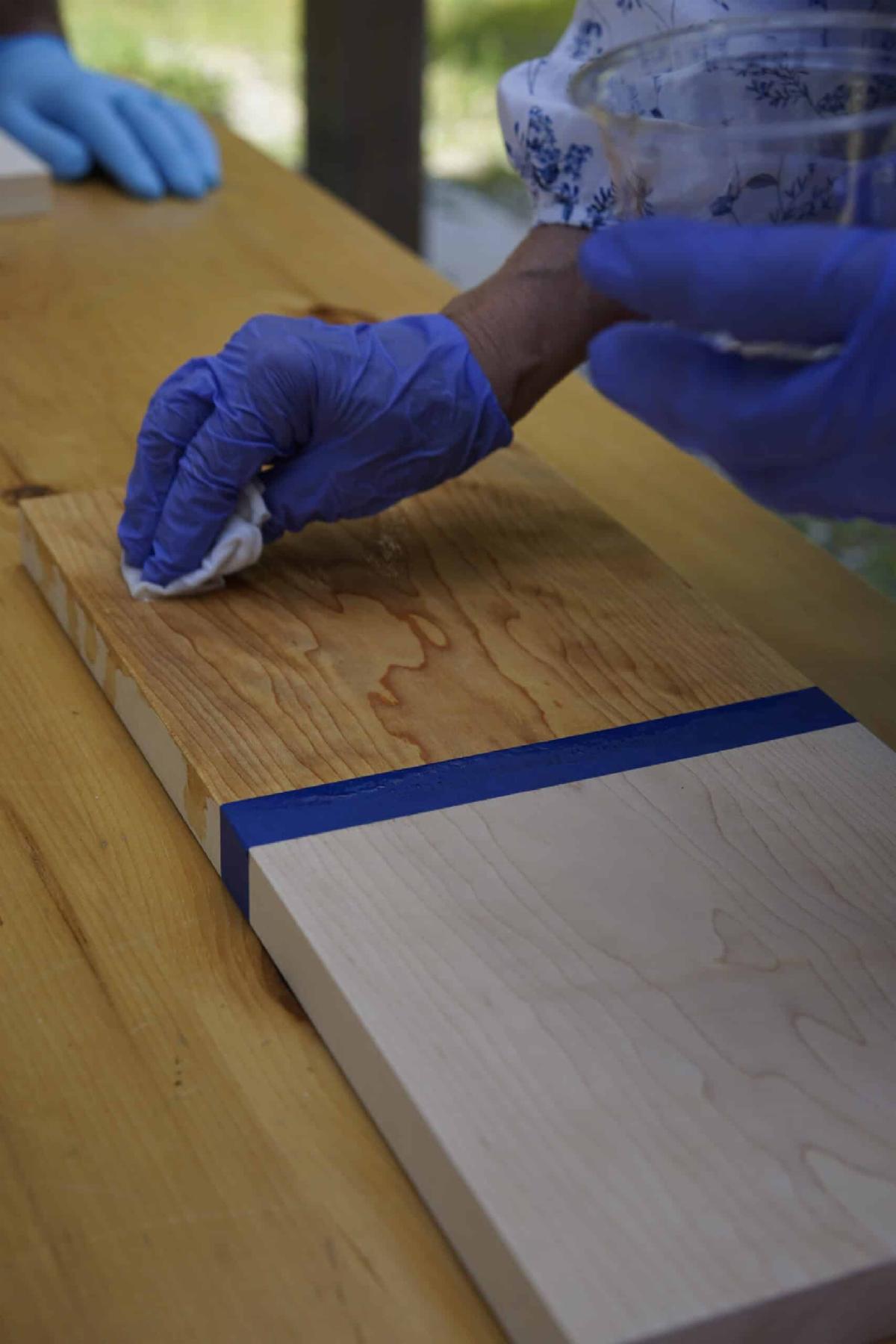
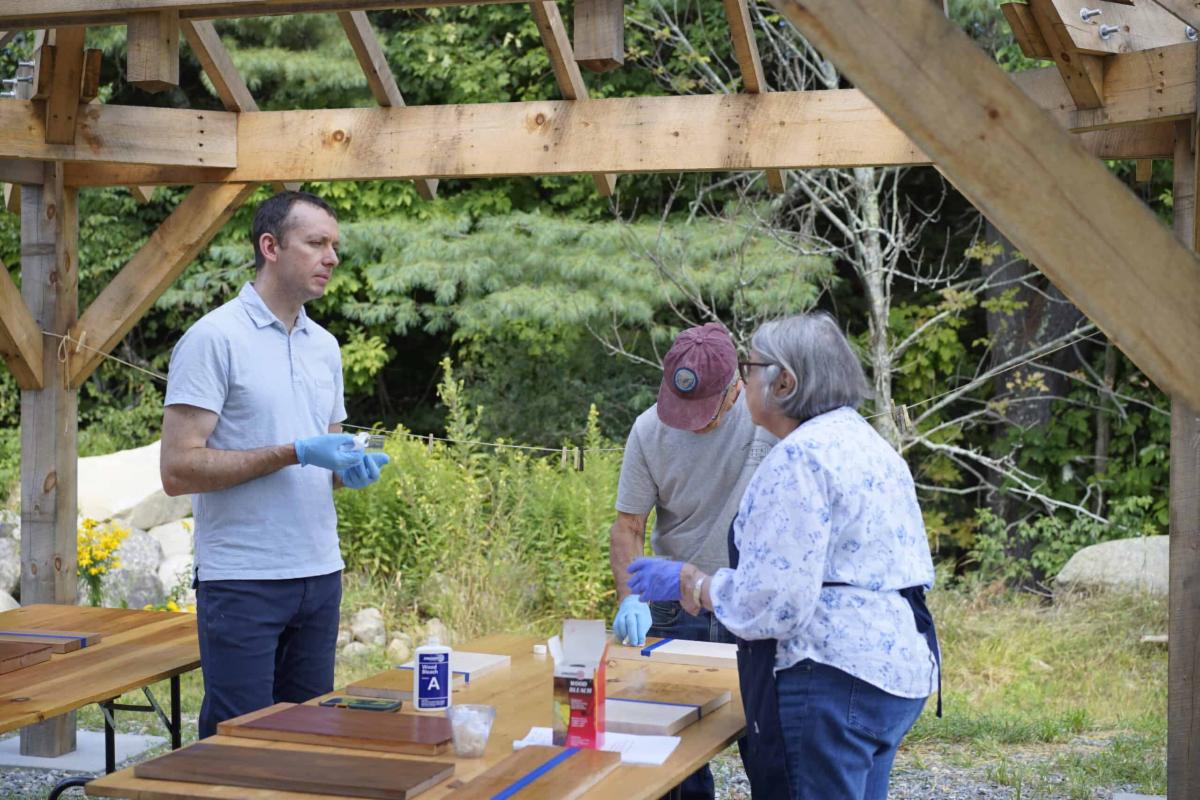
The surface of a piece of furniture is the final record of every decision made during its construction. This three-day course covers the full range of hand-applied finishes used in fine woodworking, from material preparation through the correct application of oils, varnishes, and coloring agents.
Under the guidance of Brad Wolcott, students learn to plane, scrape, and sand stock in preparation for finishing, then select and apply an appropriate finish with brush, pad, or rag. Through five practical exercises they produce a set of sample boards that serve as lasting reference. Wolcott trained in the Cabinet and Furniture program at North Bennet Street School and works across both studio and commercial furniture; he is a juried member of the League of New Hampshire Craftsmen and the New Hampshire Furniture Masters. No prior finishing experience is required. Students leave with sample boards whose surfaces reflect both historic practice and the individual hand that applied them.


Our Company | Contact Us | FAQs | Privacy Policy


Sanborn Mills Farm | 7097 Sanborn Road | Loudon, NH 03307 US