
SHARE:

Farm Pickings
News and Updates from Sanborn Mills Farm
— January 24, 2024 —
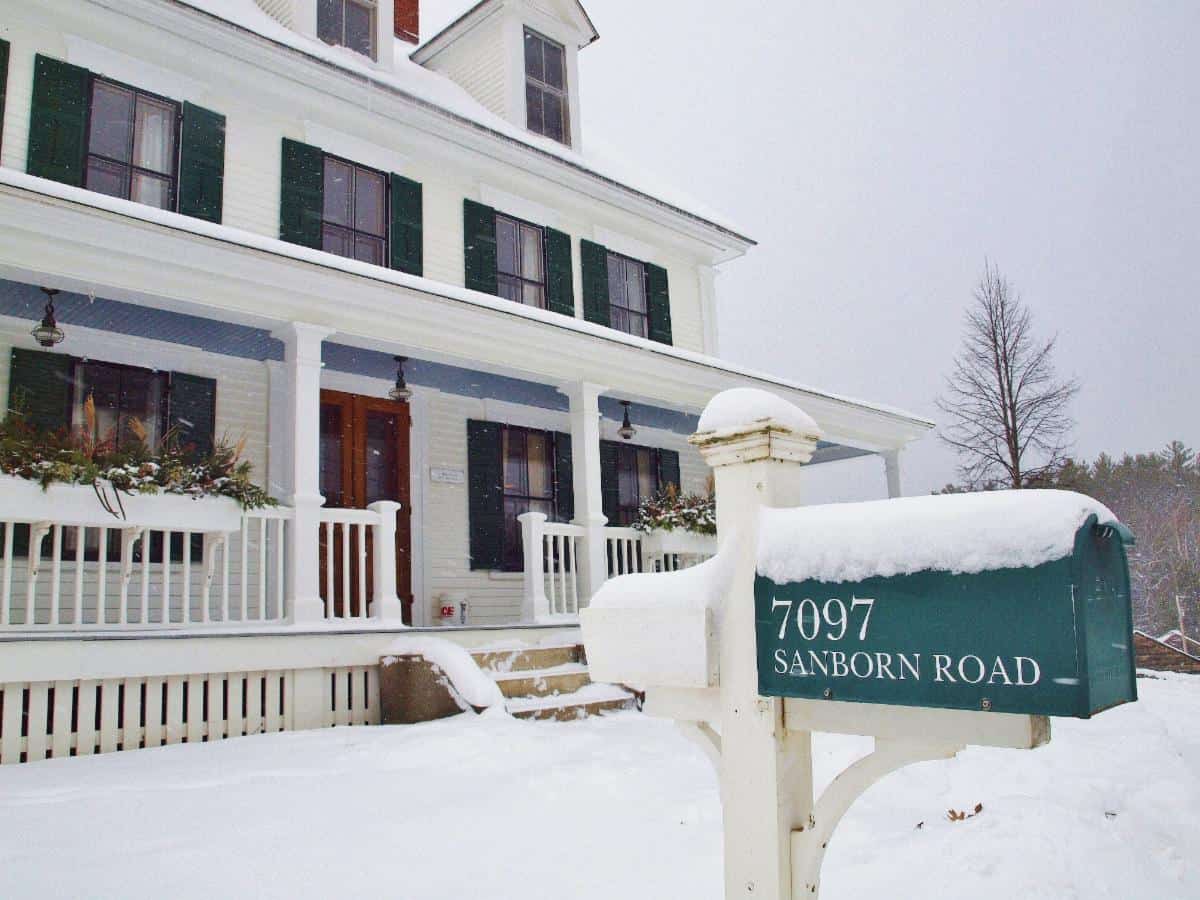
January is my favorite month,
when the light is plainest, least colored.
And I like the feeling of beginnings.
~ Anne Truitt

 |
 |
New Workshop!
Introduction to Woodworking for Women
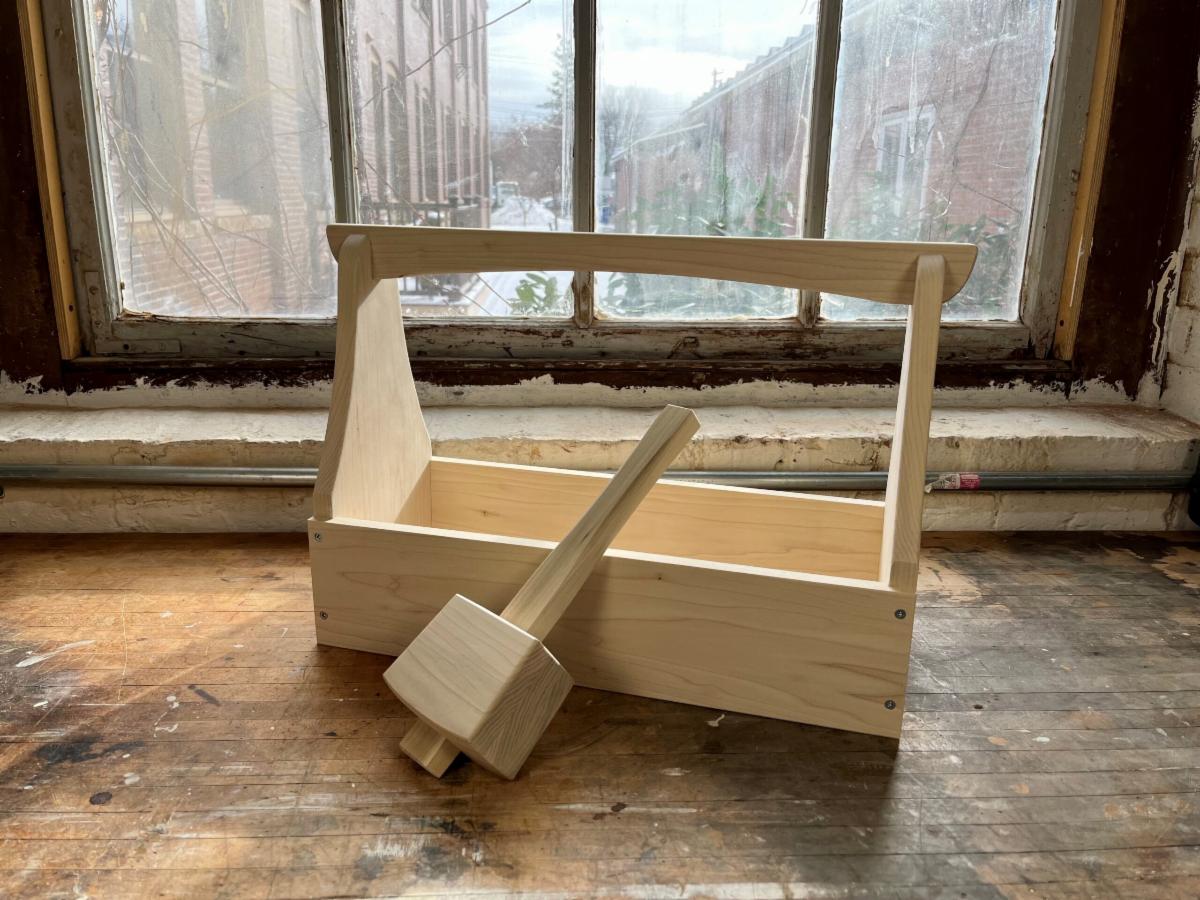
Are you a woman who is curious about woodworking but wary about taking on new, unfamiliar skills? The goal of this workshop is to provide a safe space to gain and build confidence in the woodshop. Each participant will build their own mallet and tool tote, learning safe operation practices and techniques on stationary woodworking machines (table saw, bandsaw, router table, etc.) along the way. Learn about material selection and planning for simple woodworking and carpentry projects — emphasis will be placed on accessible materials that are available at hardware and home improvement stores.
Introduction to Woodworking for Women
August 10-11
Instructor: Gabriele Tise
Click on the linked workshop title above for more information and to register.
| |
 |
Sleeping in the Sally Garden
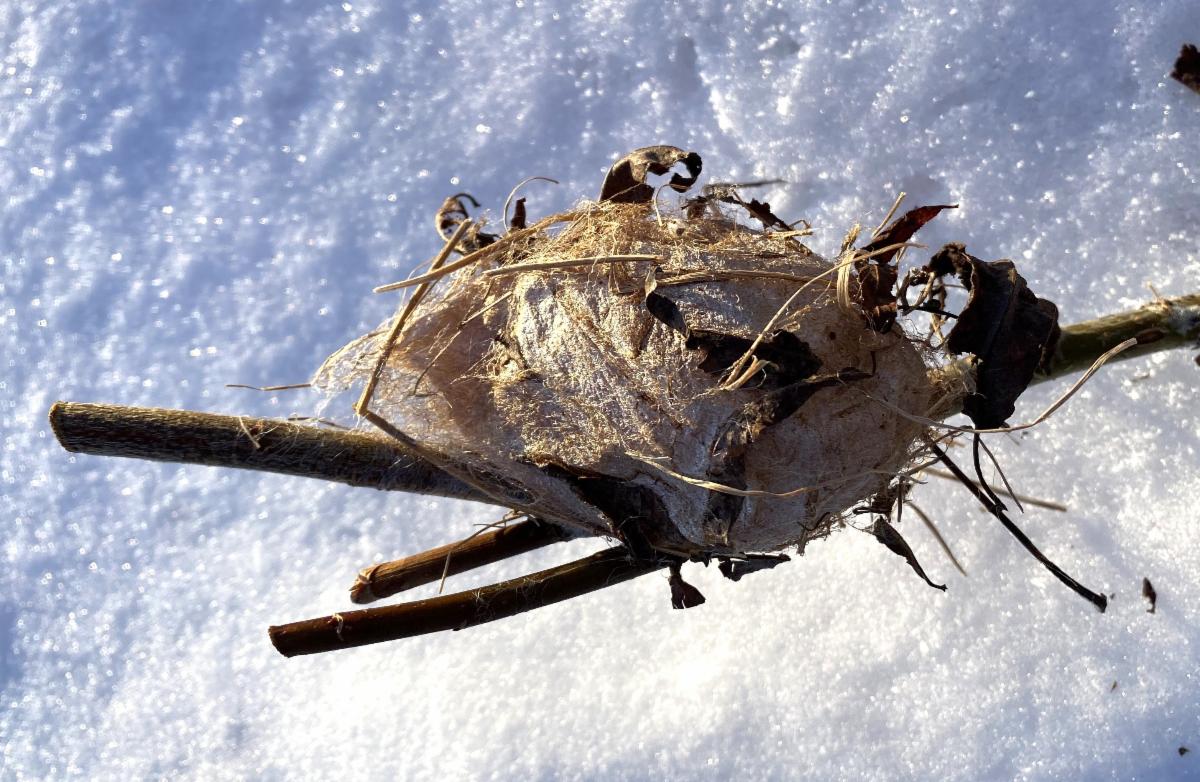
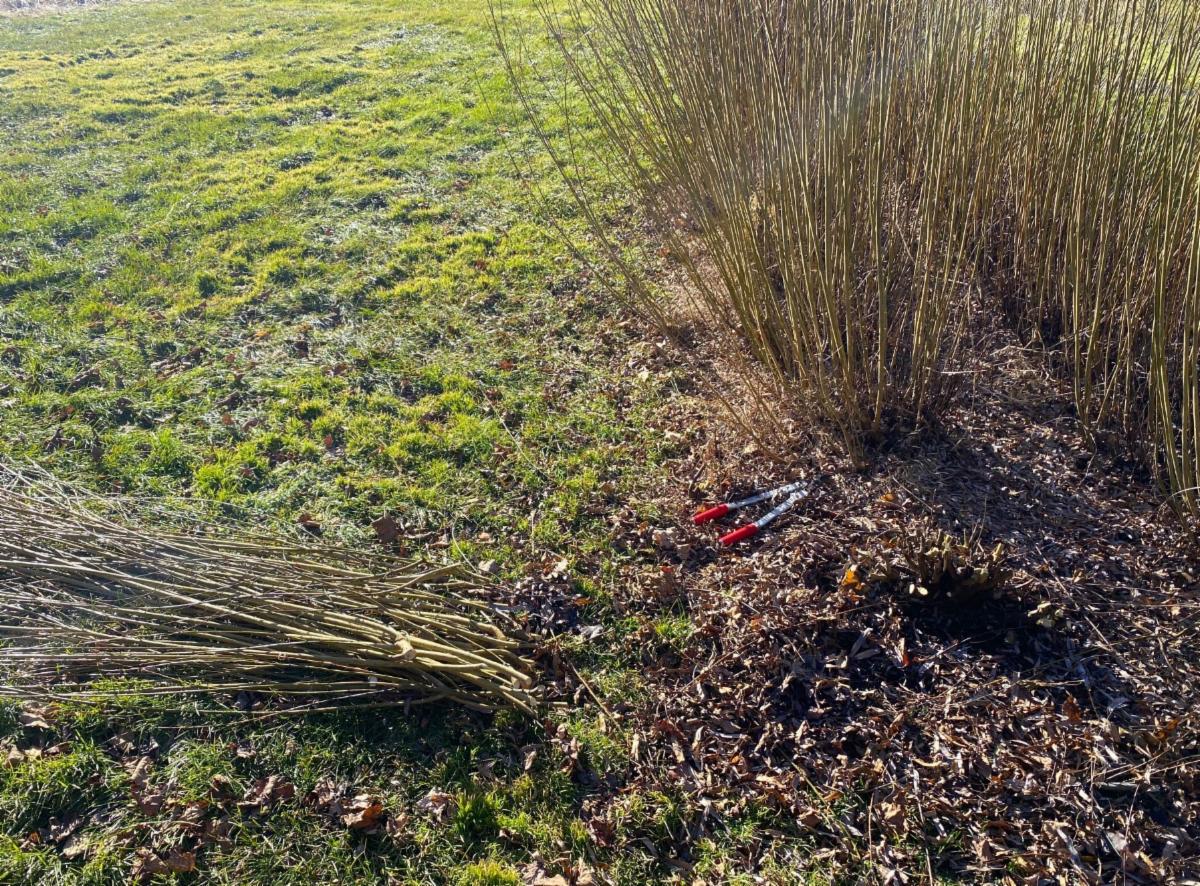
Last month we began our annual willow harvest, cutting each plant to the base using a technique called coppicing. While cutting back we were puzzled to find some silky masses attached to the weavers. Upon first glance, they seemed nothing more than a cluster of leaves, but after further inspection were clearly well camouflaged cocoons.
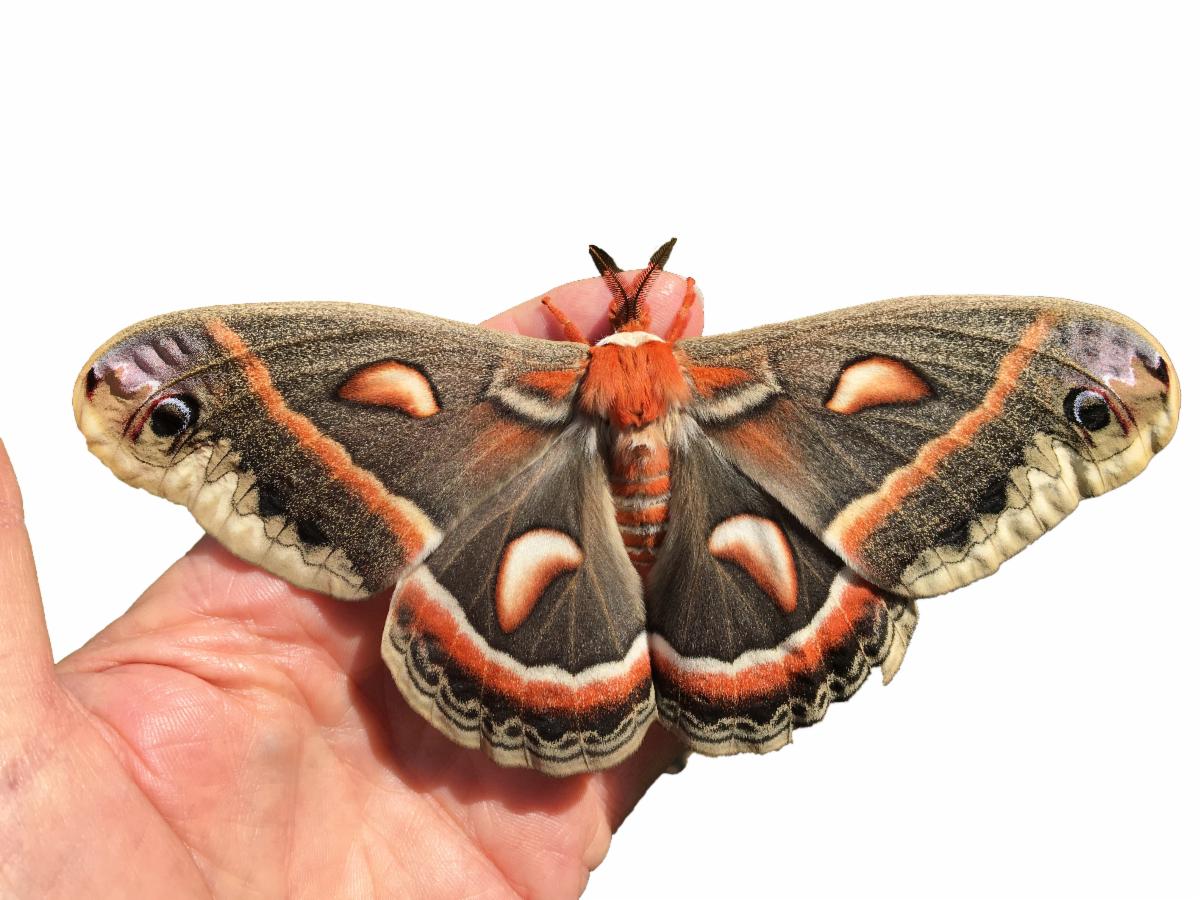
About 4 inches long by 2 inches wide, this twisting mass of silk and leaves is the protective outer cocoon of the Cecropia Moth, Hyalophora cecropia. This moth is the largest in North America with a final wingspan of between five and seven inches. ‘Cecropia’ is derived from an ancient Greek phrase meaning ‘face with a tail’ and is reference to the mythical first king of Athens, Cecrops who had a man’s upper half and a snake lower half. While this may seem random, a closer look at the moth’s patterning reveals an eye-spot and a rounded snake-head shape at the tip of each wing. Just enough to deter predators flying by.
Cecropia moths go through five instars, or development stages, through the course of one year. They hatch from eggs laid in midsummer and grow rapidly until August when they are a neon green, 5-inch caterpillar not to dissimilar from our favorite Tomato Hornworm. They begin to spin a silken cocoon on a thin branch (like a willow rod) or tree trunk. This silk not only provides camouflage for the pupa inside, a huge delicacy for squirrels and other winter foragers, but also sheds water and keeps the pupa from freezing or desiccating in the winter winds.
Cecropia pupas snuggle in their tight winter jackets for around 10 months, starting in September. By the next May as the humidity levels change and the night temperatures rise the moth will eclose, or emerge from its pupa. The rest of that day is dedicated to inflating their huge wings and by that evening they are either looking for a mate or waiting for one to find them. Cecropia moths in their final stage, much like other Saturniidae family members like the Luna Moth and the Polyphemus Moth, do not have mouths. Their sole responsibility is reproduction. This means they have up to two week to find a mate and lay some eggs before the cycle starts again. This may explain why we rarely see these massive creatures. Not only do they mostly fly around at night, they also are in this form for two weeks out of the year.
Cecropia are not rare in New Hampshire but like many insects they are more vulnerable to habitat loss and predators every year. We have since left our precious cocoons where we found them and will be paying close attention come summer when they are to emerge. If you find one of these where you live leave it be and come summer you may have a new backyard visitor.
Click here for a video of a Cecropia Moth eclosing.
~ Helen Westergren, Head Gardener
 |
|
Meet Karen Kenney,
Our New Registrar
When you send an email or phone the Farm about registering for a workshop and/or an overnight stay, Karen Kenney’s will be the friendly voice on the other end.
A New Hampshire native, Karen grew up Sherbrooke, Quebec. She came back to New England at age 19. With a background in customer service, banking, and manufacturing, Karen took a break for several years to raise her family along with her husband, James. They moved to Loudon from Manchester two years ago.
Karen is ready to answer all your questions about workshop registration, special meal requests and other special needs, and anything else you might want to know about concerning your workshop experience at Sanborn Mills Farm.
You can email Karen directly at karen@sanbornmills.org
www.sanbornmills.org
Photo Credits
Top and bottom photos by Steve Bjerklie.
Workshop photo courtesy of the instructor.
Coccoon and garden photos by Helen Westergren.
Cecropia moth photo by Scott Zona.
Sanborn Mills Inc. | (603) 435-7314 | info@sanbornmills.org | www.sanbornmills.org
Hands-on education in traditional craft and farming: Inspiring the future with tools from the past.
Sanborn Mills Farm | 7097 Sanborn Road, Loudon, NH 03307
Unsubscribe info@sanbornmills.org
Sent by
steve@sanbornmillsfarm.ccsend.com
powered by
Try email marketing for free today!