
SHARE:


Bowl Turning Basics with Claude Dupuis
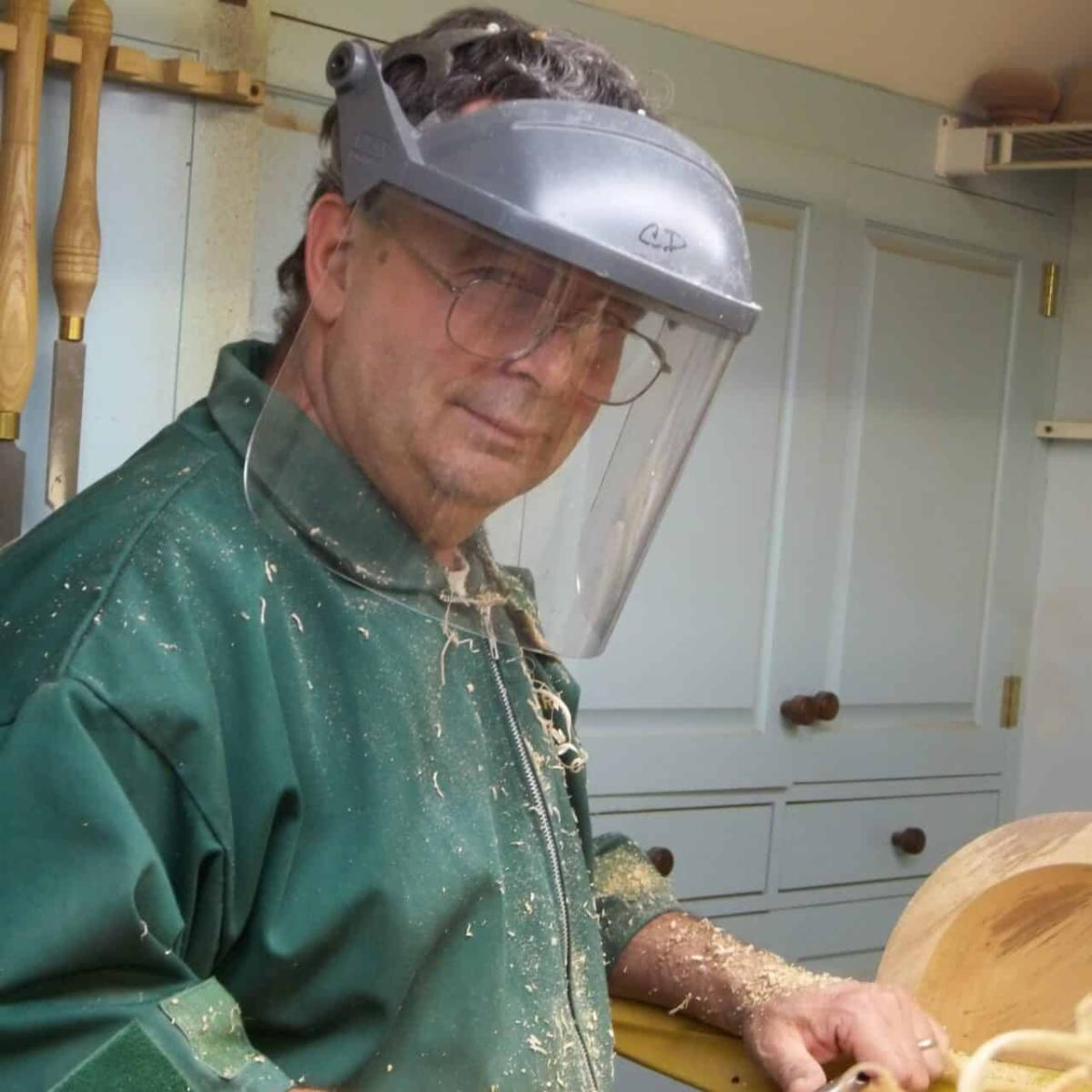
Claude Dupuis brings a craftsman’s steady hand and clear eye to the fundamentals of bowl turning. Self-taught since 2008 after a career in construction, he has earned repeated recognition as a juried member of the League of New Hampshire Craftsmen, including multiple awards for best turned wood. As a past president of both the Guild of New Hampshire Woodworkers and the Granite State Woodturners, he now teaches full-time, sharing the practical knowledge gained through years at the lathe.
Students begin with the material itself. They learn where to source suitable timber, how to harvest and process green wood into balanced blanks, and how to read grain and predict movement so the finished form remains sound. The opening sessions focus on tool selection, simplified sharpening methods that keep edges reliable, and a thorough grounding in lathe mechanics and the disciplined safety practices the machine demands.
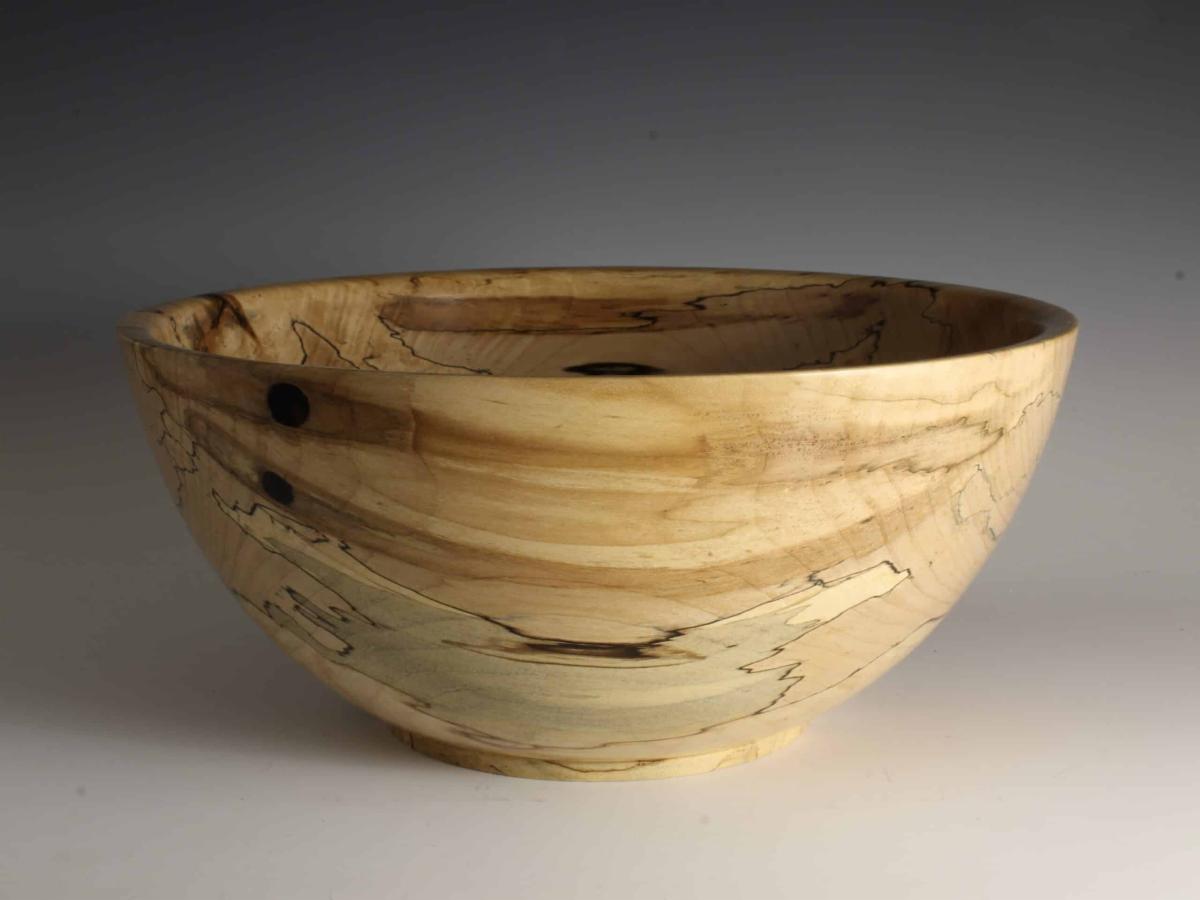
From there the work moves to the form. Participants rough-turn a bowl from green wood, shaping it with deliberate cuts while leaving sufficient wall thickness for the drying process that follows. Proper sealing and controlled drying minimize checking and distortion. Once the wood has stabilized, students return to the lathe to finish-turn the once-turned bowl, refining the profile and refining the surface with techniques that reduce tear-out. Sanding progresses through successive grits, followed by finishing methods suited to a functional wooden bowl and clear guidance on long-term care.
The workshop establishes a solid foundation for beginners while allowing intermediate turners to advance at their own pace. Each participant leaves with a completed bowl made by hand, carrying both the object and the understanding of the full sequence from forest to finished form.
Bowl Turning Basics | August 28-30
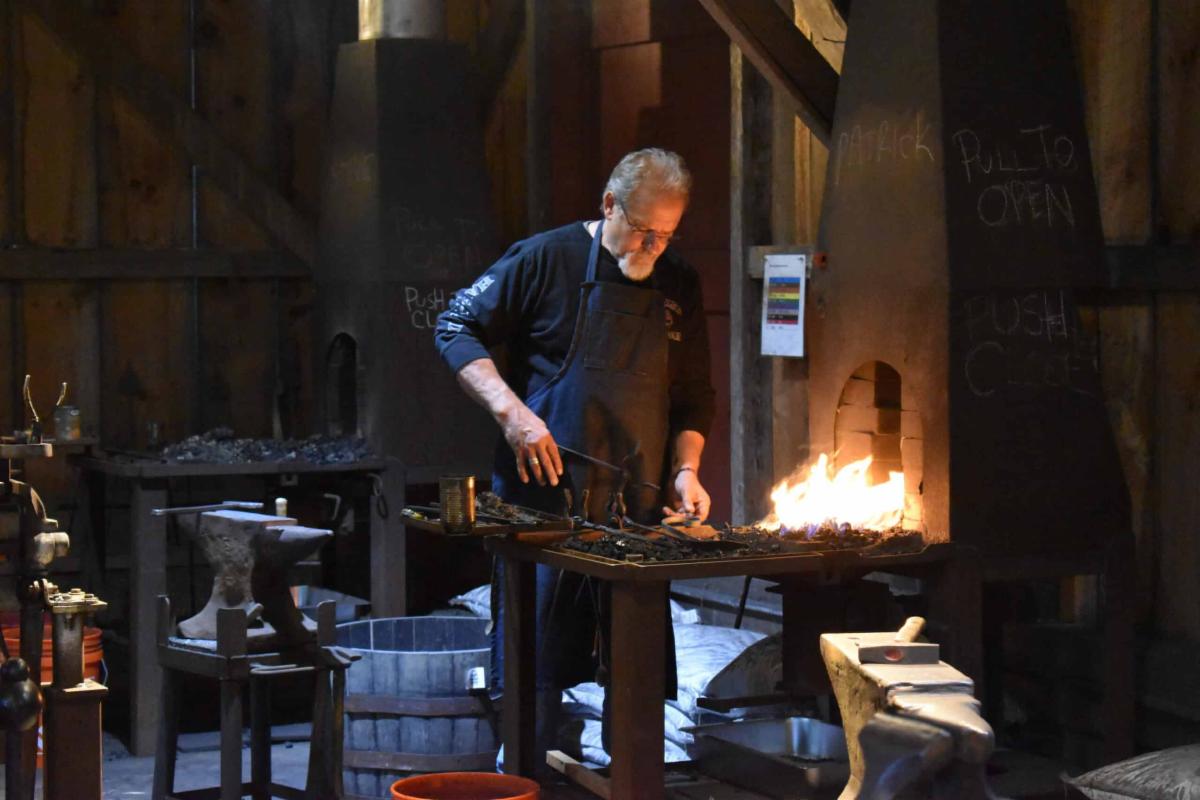
Blacksmithing Basics with Garry Kalajian
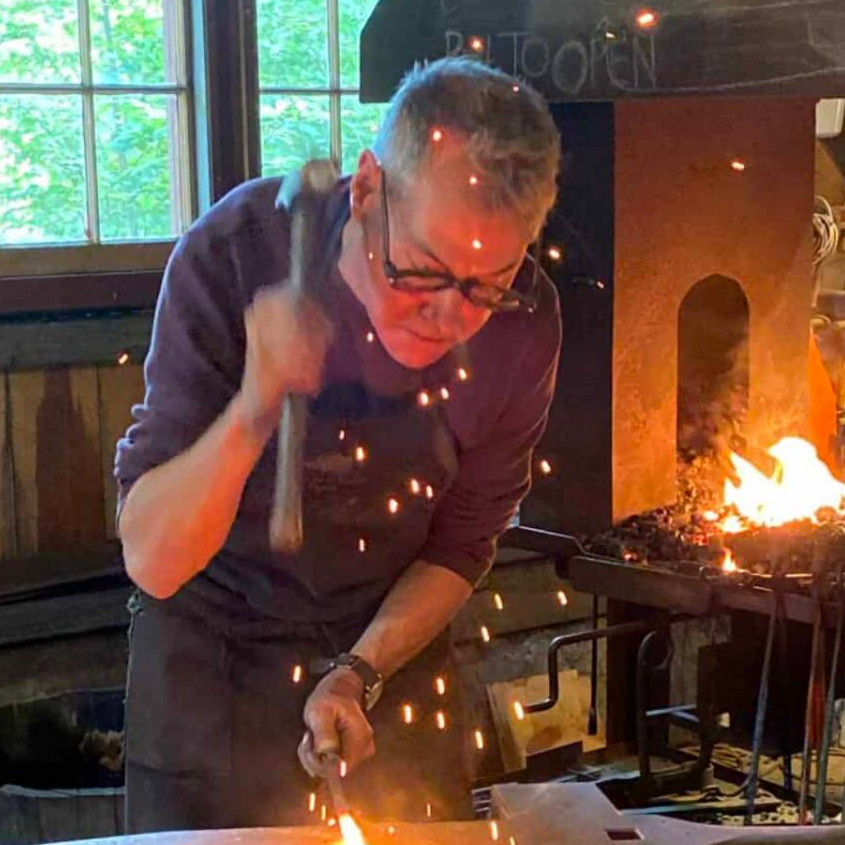
Garry Kalajian has worked full-time at the forge since 1993, producing refined ironwork from both historical and original designs at his studio in Bradford, New Hampshire. His practice rests on traditional tools and techniques, and he has taught widely as a Master Artist under the New Hampshire State Council on the Arts.
This workshop is designed for beginners and for those with some experience who want to strengthen their foundations. Students work at a traditional coal-fired forge with mild steel, learning body mechanics, basic metallurgy, and essential safety practices. Instruction covers starting and managing the fire, reading temperatures, and applying fundamental forging techniques.
Participants form a hook and eye, create scrolls joined by rivets for a trivet or similar project, heat-treat a punch or chisel, and are introduced to forge welding. Each student leaves with finished ironwork and a clear grasp of the core operations that support further work at the anvil.
Blacksmithing Basics | Aug 28-30
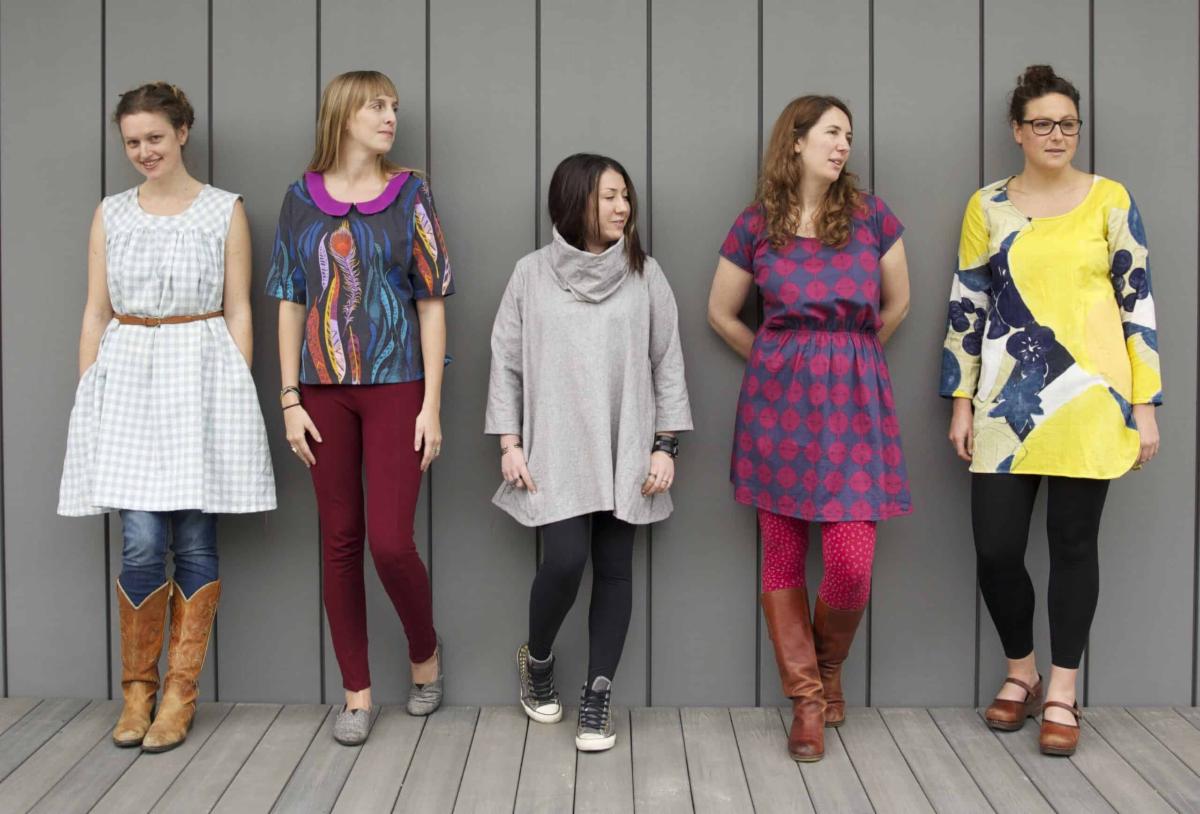
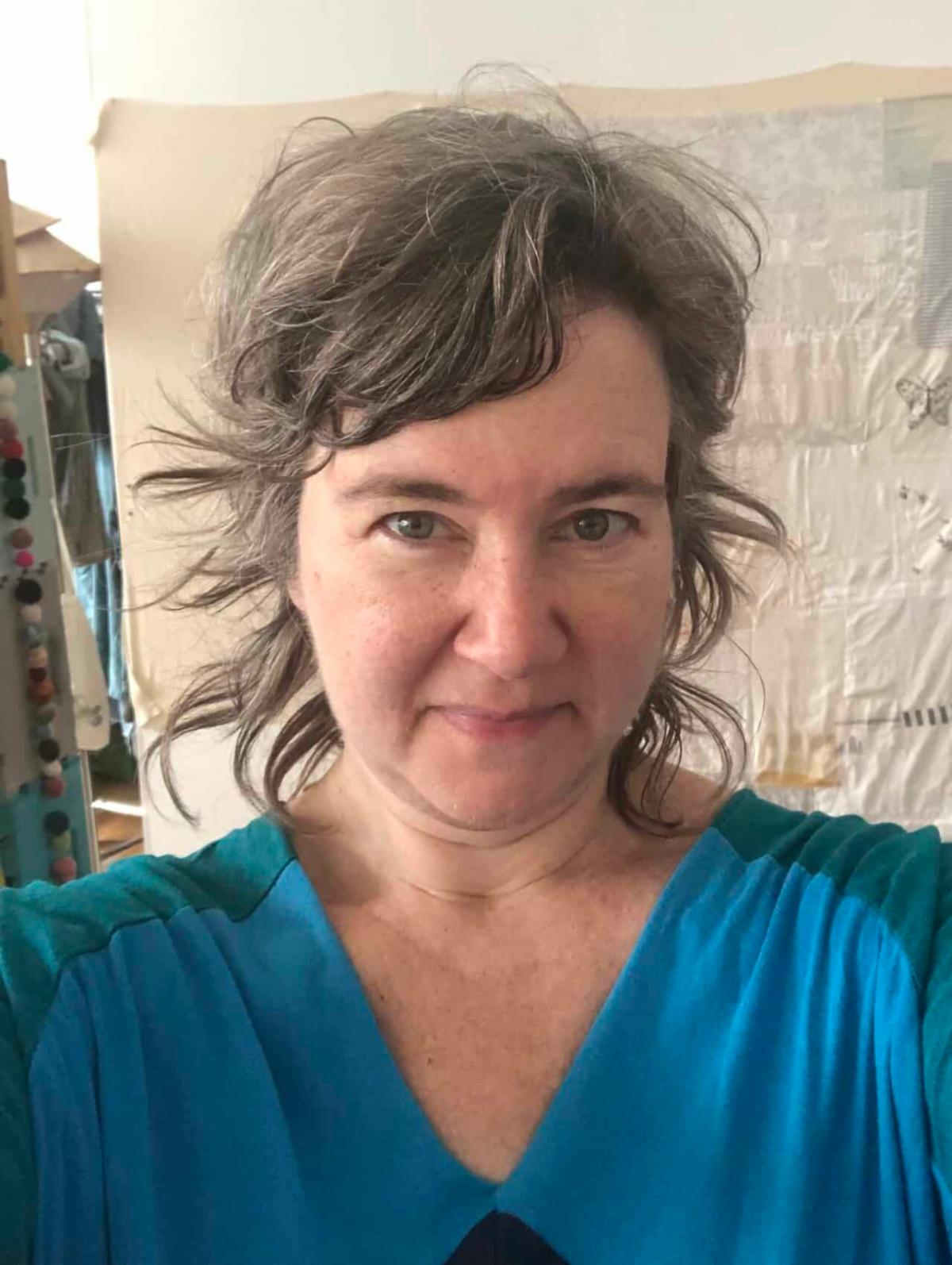
Design and Make Your Own Wardrobe with Cal Patch
Cal Patch has worked with textiles since 1991 as a designer, maker, and teacher. After creating clothing for major retailers and developing her own line of one-off pieces, she opened one of the nation’s early craft schools and later published Design-It-Yourself Clothes: Patternmaking Simplified. She now teaches pattern drafting and garment sewing from her base in upstate New York.
In this workshop students learn to draft basic patterns for a shift dress, lounge pants, and a button-down shirt or jacket using their own body measurements. Each pattern is refined through a muslin, fitted and corrected, then sewn into a finished garment. From these foundations, participants explore how to modify and stylize the patterns into further variations. Competent beginner sewers who are comfortable at the machine will find the process accessible; no prior patternmaking experience is required. Intermediate and advanced makers may pursue more complex interpretations. By the end of the week each student leaves with the start of a handmade wardrobe and the ability to continue designing for themselves.
Design (and Make!) your own Wardrobe | Aug 26-30
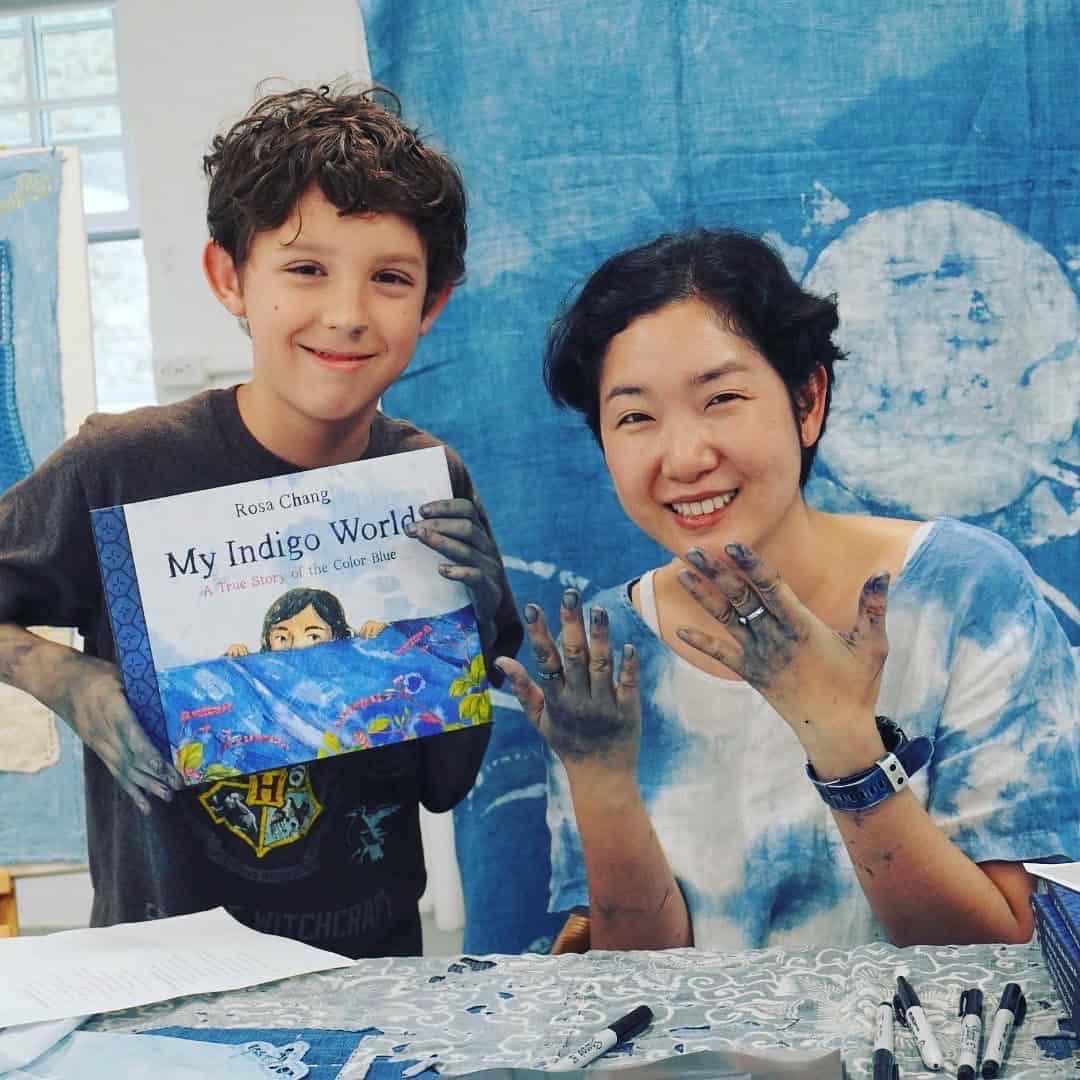
Mindful Colors: Natural Dyes and Sustainable Textiles from Korea and Beyond With Rosa Chang
Rosa Chang is an artist based in Baltimore and New York whose work centers on Korean and East Asian natural dye traditions. Since 2015 she has developed and taught her curriculum in natural dyeing, serves as an adjunct faculty member in the Fiber Department at the Maryland Institute College of Art, and directs Hand Papermaking, Inc. Her picture book My Indigo World has received national recognition.
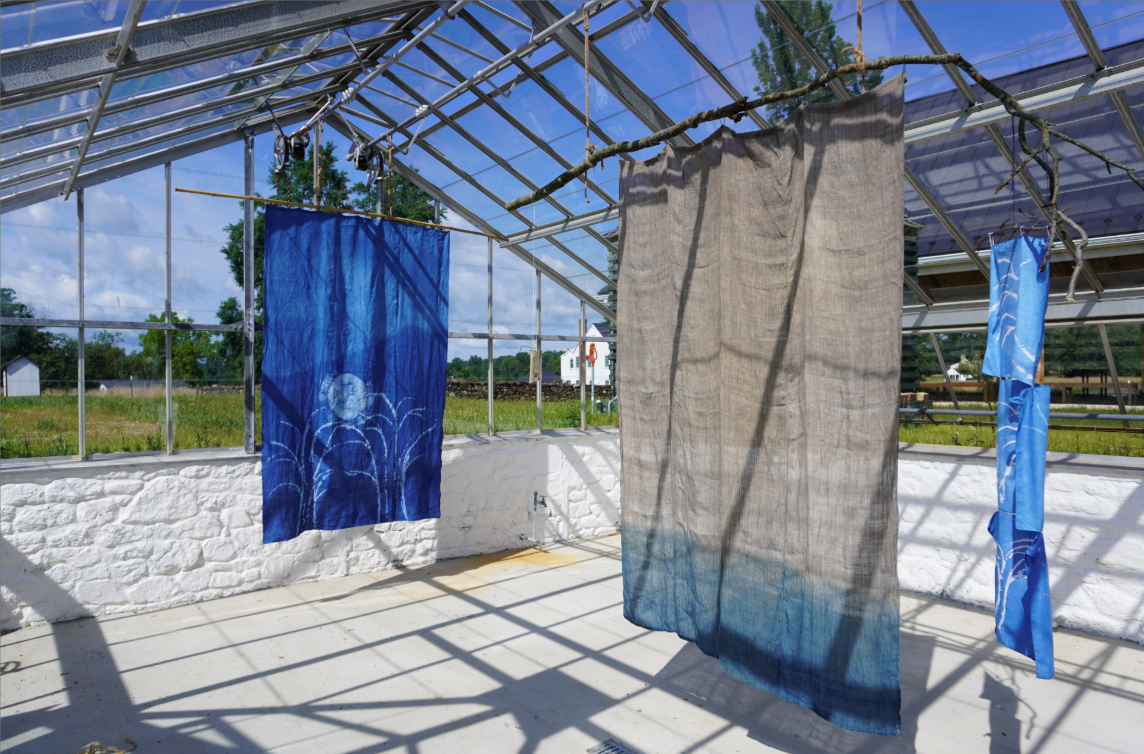
In this workshop students work with traditional plant-based dyes drawn from Korean and related East Asian practices, including indigo, gardenia fruit, safflower, gromwell, and persimmon. They prepare and maintain a natural indigo vat, explore fabric patterning through shibori and soy-resist printing, and practice hand-stitching methods rooted in Bojagi patchwork. Fresh indigo plants harvested from the farm’s dye garden are used for stamping, and recycled dye materials are transformed into handmade paper. Participants leave with a completed color chart book, Bojagi samples, and sheets of dyed paper.
Mindful Colors: Natural Dyes and Sustainable Textiles from Korea and Beyond | Aug 26-30


Our Company | Contact Us | FAQs | Privacy Policy
Sanborn Mills Farm | 7097 Sanborn Road | Loudon, NH 03307 US