
SHARE:

 |
At Sanborn Mills Farm, preserving the past and planning for the future go hand in hand. The Farmhand News from Sanborn Mills Farm
July
Space Still Available In These Workshops
Program Manager Molly Bolick reminds friends of Sanborn Mills Farm that there’s space available in several upcoming Summer workshops, including:
Click on any of the workshop titles for more information and to register.
You’re Invited OPEN HOUSE At Sanborn Mills Farm 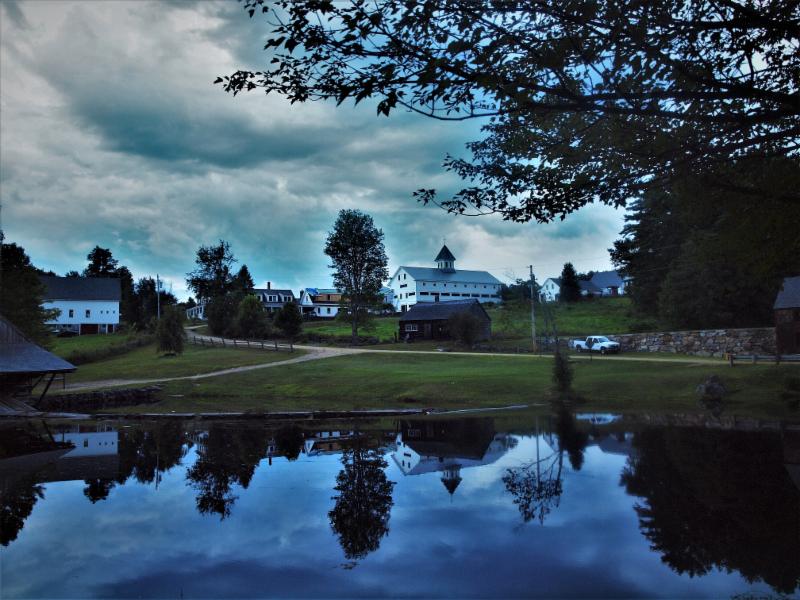
Sunday, July 28, 2019 10:00 a.m. to 3:00 p.m. Demonstrations of blacksmithing, grist milling, wood planing and milling. Draft horses and oxen, gardens, food from the Common Man, and live music! Free admission.
D As the mills will be running and some construction at the Farm is ongoing, children under the age of 12 must be accompanied by an adult at all times. Sanborn Mills Farm
7097 Sanborn Road Loudon, N.H. 03307 (603) 435-7314
Sanborn’s Alpine Garden Is a Legacy of Love 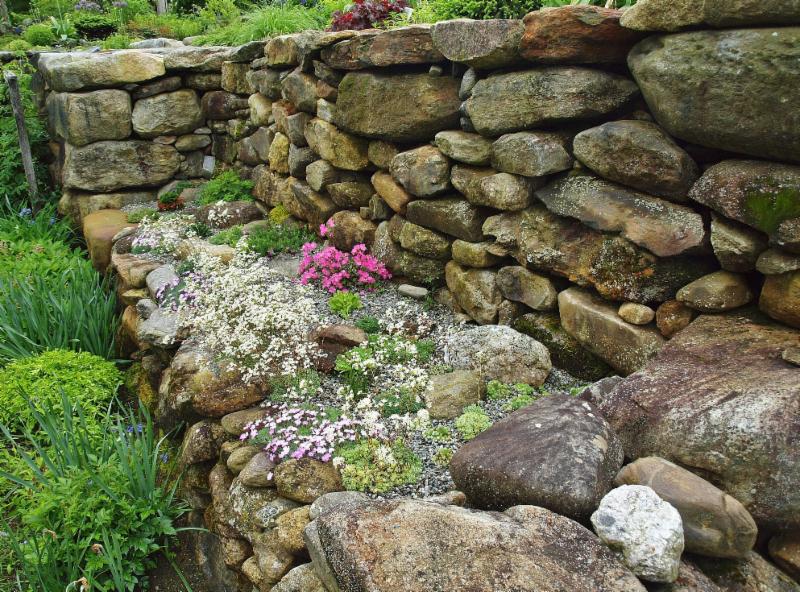
A section of the alpine garden at Sanborn Mill Farm. These “small and huggy” plants, in Michelle Smith’s description, naturally grow in some of the harshest environments on Earth.
“Who knows why a certain type of plant turns out to have such irresistible appeal to an individual?” Frank Cabot wrote in
The leg
Bill Noble, who helped develop the Sanborn garden, remembers that the original plantings in the th
Today the Dianthus is surrounded by several other varieties of alpine vegetation, including rock garden shrubs and perennials, as well as a few bulbs. Bill notes that plants that have done the best in the garden include Michelle Smith, who oversees the ornamental and herb gardens at Sanborn Mills Farm, says she loves the way these plants stay small and hug the ground for protection against harsh mountain elements, yet when they bloom the flowers show off a colorful beauty as gorgeously vivid as any greenhouse flower.
Some of these plan
”
Photo Credits Photos by Steve Bjerklie.
Sanborn Mills Inc. | 603-435-7314 |
A traditional New Hampshire farm and nonprofit organization dedicated to sustainability, creativity, and preserving folklife skills and agricultural knowledge so that the best of the past can help shape our future.
STAY CONNECTED: 


|
|