
SHARE:

 |
At Sanborn Mills Farm, preserving the past and planning for the future go hand in hand!
June 2017 eNews
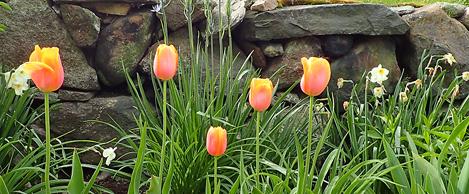
Cleaning your windows and wondering …
We are doing some “spring cleaning,” which includes our old windows.
you many notice your windows have waves or ripples. A common explanation is that ripples are result of glass “slumping” over the years. We’ve been researching thehistory of glass and according to most reliable accounts, the waves really have to do with the way the glass was made.
Up until the 1850s or so, window panes were usually made using the
Around the 1850s the How to tell the difference?When you look at crown glass from the side, you will see subtle swirls or ripples caused by the spinning process.
With cylinder glass, the waves appear as faint parallel ripples. So there you have it, as with all traditional crafts, if you look closely, the subtleties tell the story of the process.
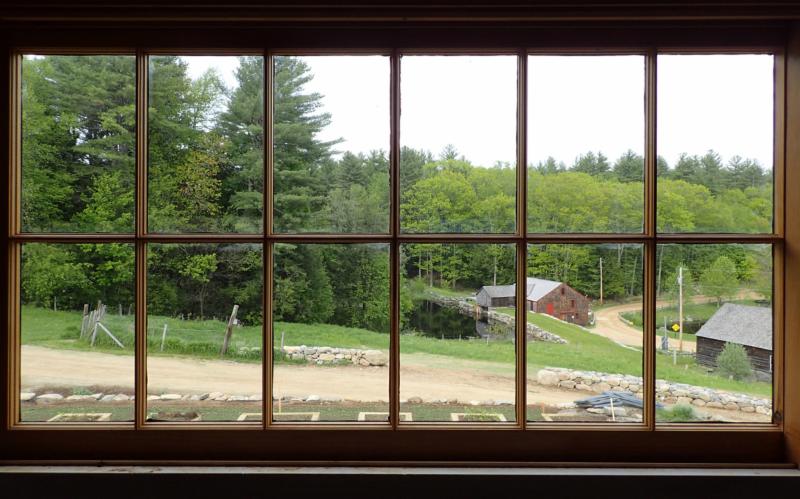
View from the Sanborn Barn.
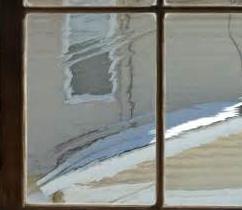
Crown glass.
Tree to truss – where does it start?
At Sanborn Mills Farm we harvest and saw out our own logs for all our timber framed construction. A number of steps bring the trees to the mill. Back in the day colorful language described the jobs and the men who did them.
While most logging is done in the winter, our crew has been felling some trees this spring for our ongoing projects.
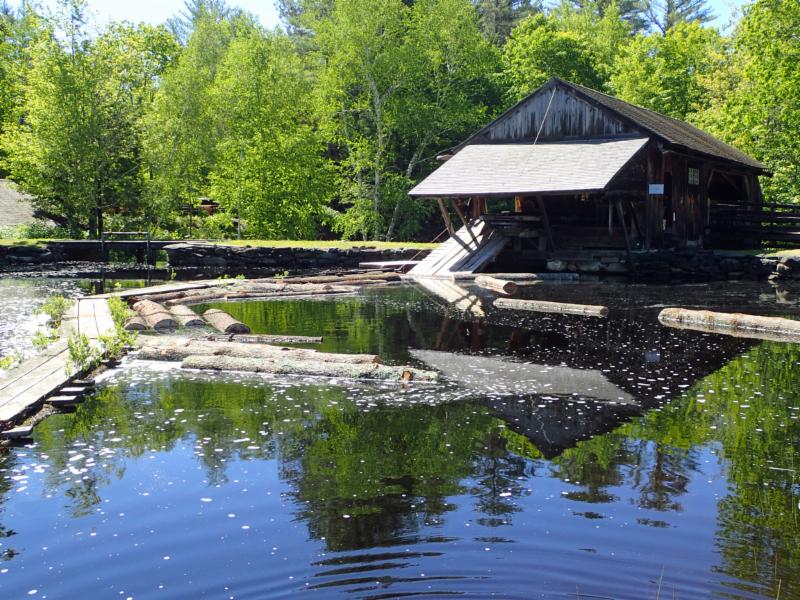
Logs in the mill pond waiting to be sawed into lumber.
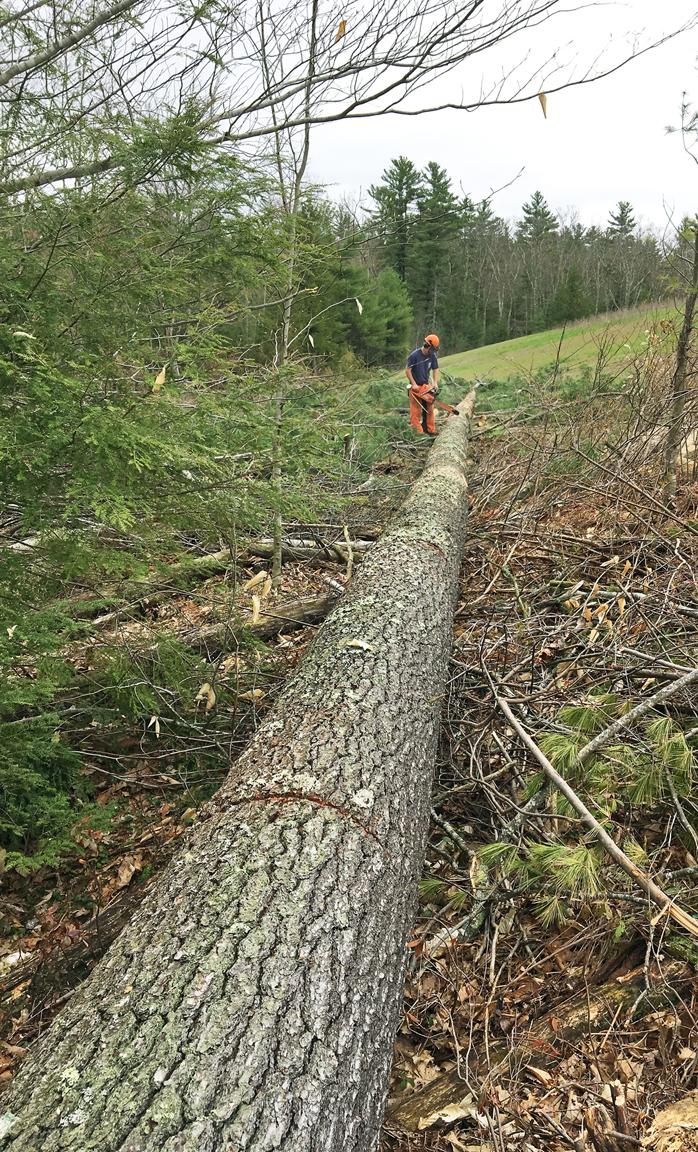
Tyler Allen measuring out a white pine log. 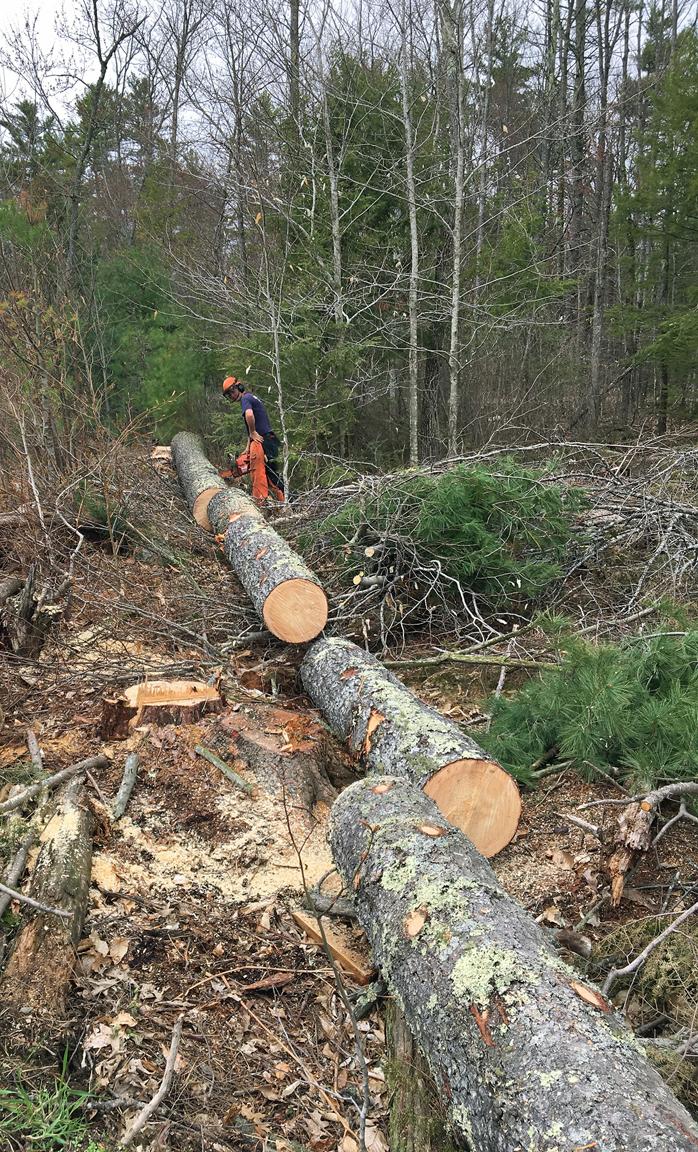
Tyler cutting the tree into logs for transport to the mill.
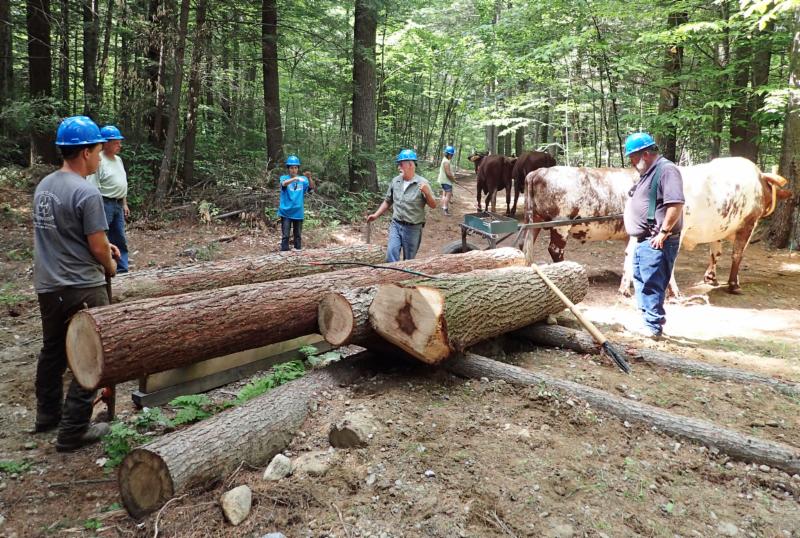
Oxen workshop.
Our annual Open House is around the corner . . .
Father’s Day, June 18th is the perfect time to see our newly repaired 1829 sawmill in action and the get a look at the 1830 gristmill grinding local corn. From 10 am to 3 pm demonstrations of carpentry, ox yoke making, blacksmithing, and traditional carpentry skills will be taking place around the farm. You will also get to see oxen and draft horses hauling logs and doing farm chores.
If you have been tracking the growth of our infrastructure, you’ll be able to see the exterior of the new Carriage Barn. Destined to become a space for future functions and a “bunkhouse,” it is about to get its siding and standing seam roof.
The event is free and donations to support our educational efforts are gratefully accepted. Click here for more info on the Open House including directions to the farm.
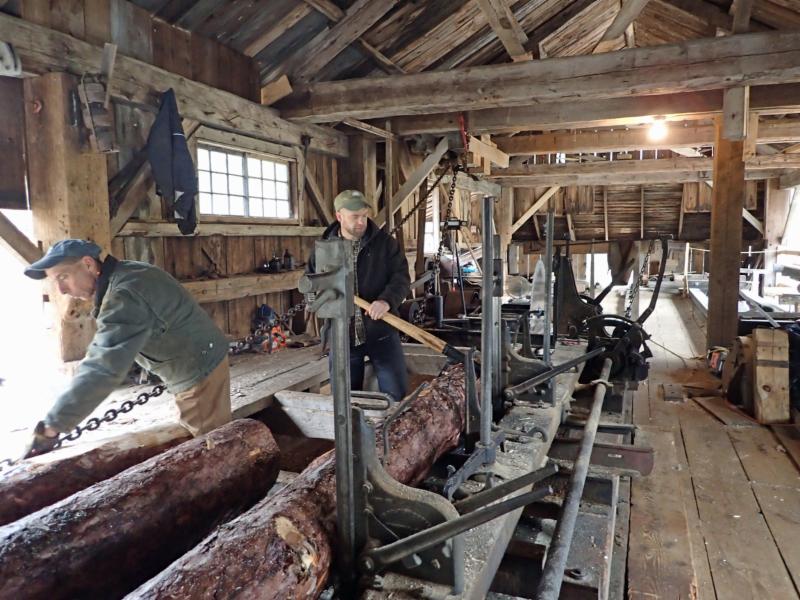
Brian Grimaldi (left) & Millwright Brian Clough rolling log into place for sawing.
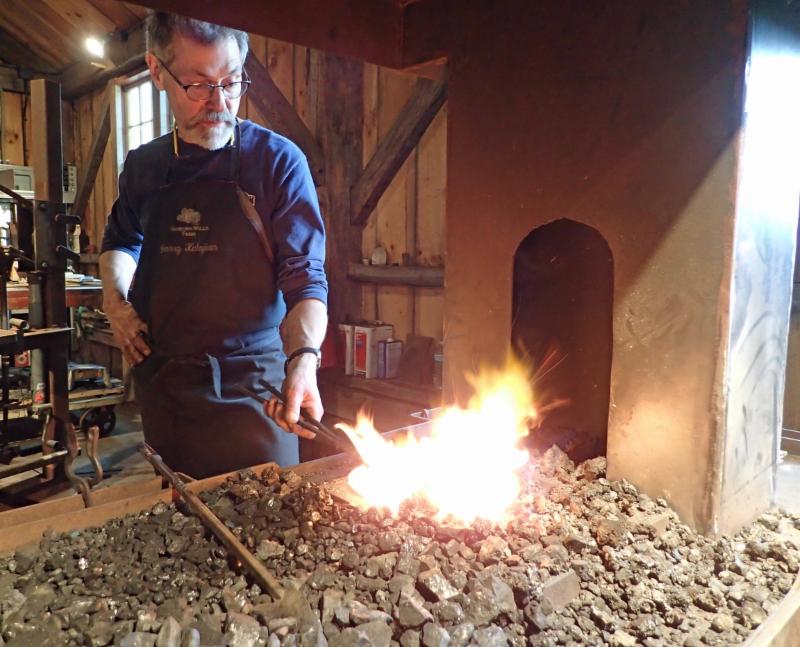
Master blacksmith Garry Kalajian at his forge.
Photos from our May ox yoke making workshop . . .
To work a team of oxen in a garden or in the woods you need a good fitting neck yoke.
In mid-May
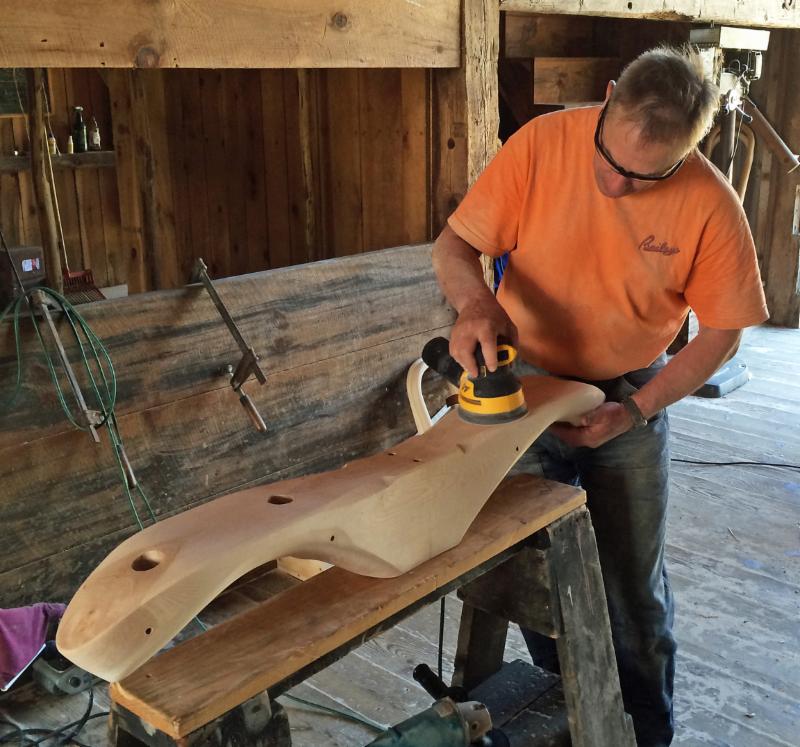
Three students made their yoke from Black Birch and one used White Pine. The bows were all steam bent Hickory. Laying out a specific size yoke without the use of a template was also covered. Other steps included drilling, sanding, and applying a finish. Before modern power tools were available, all of this work was done with hand tools. While keeping to the traditional form and function of the neck yoke, we are utilizing a few modern tools to save time.
There are still openings in the following oxen workshops:
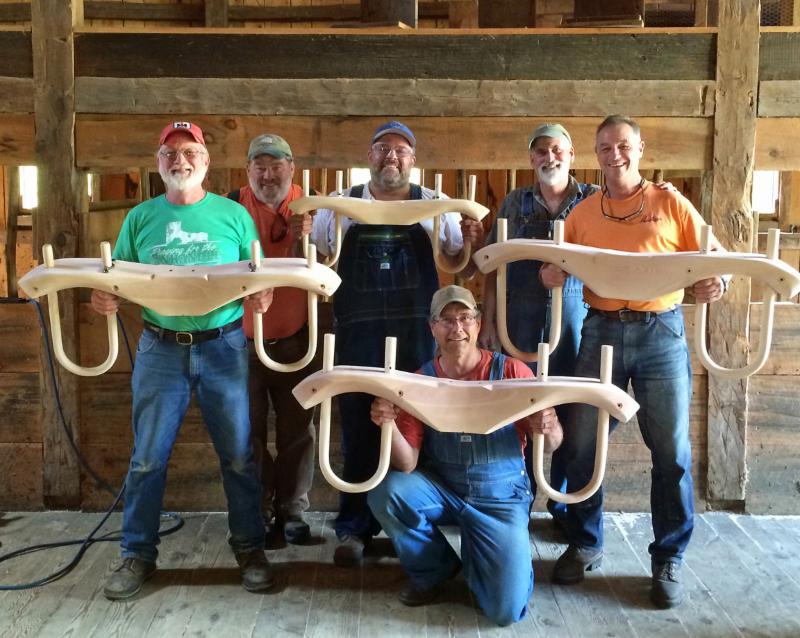
A satisfied crew with their new ox yokes.
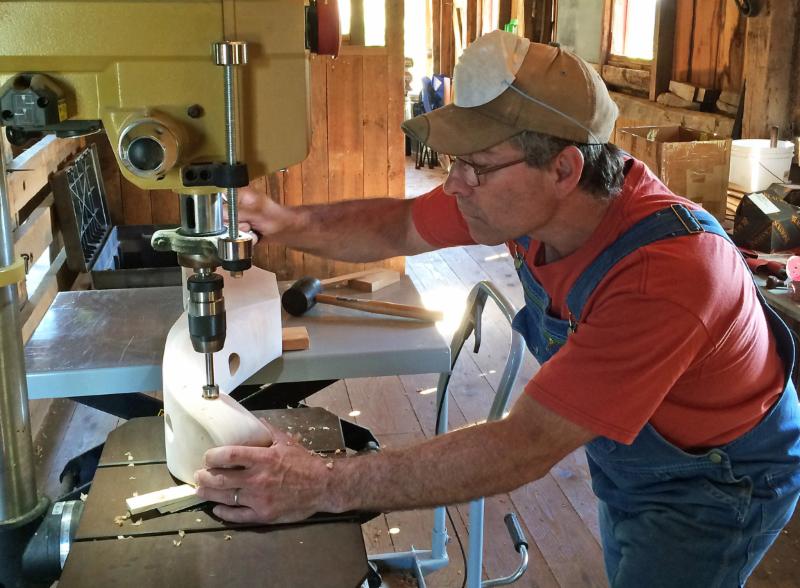
Ray Ramsay of Pittsfield, NH drilling holes in his yoke.
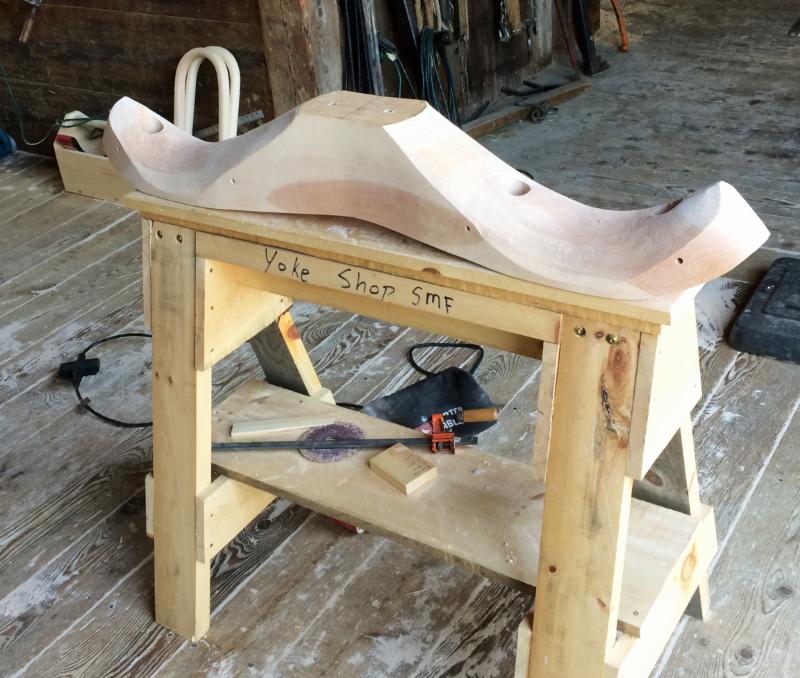
Keith Ohlinger’s White Pine Yoke in progress.
Rick Thomas of Craftsbury, VT. 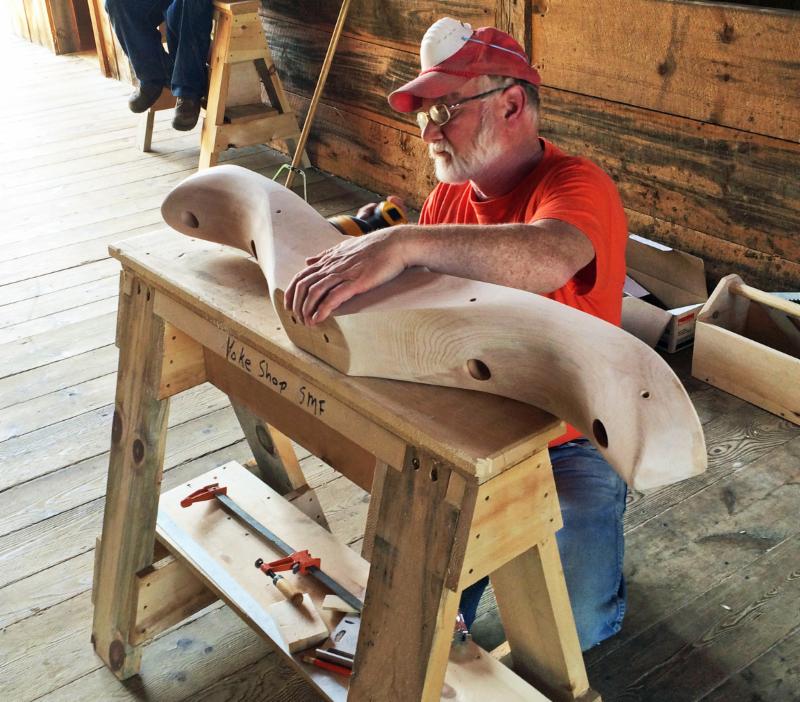
Scott Brundage of Douglas, MA.
New date for our July Open Forge – Sunday, July 30
If you have some prior experience in blacksmithing – either by taking a workshop here at the farm or somewhere else – an Open Forge session is a great opportunity to work in our well equipped studio and practice some skills. Master blacksmith Garry Kalajian will be on hand for the day as a resource. It’s a bargain for the price of $60!
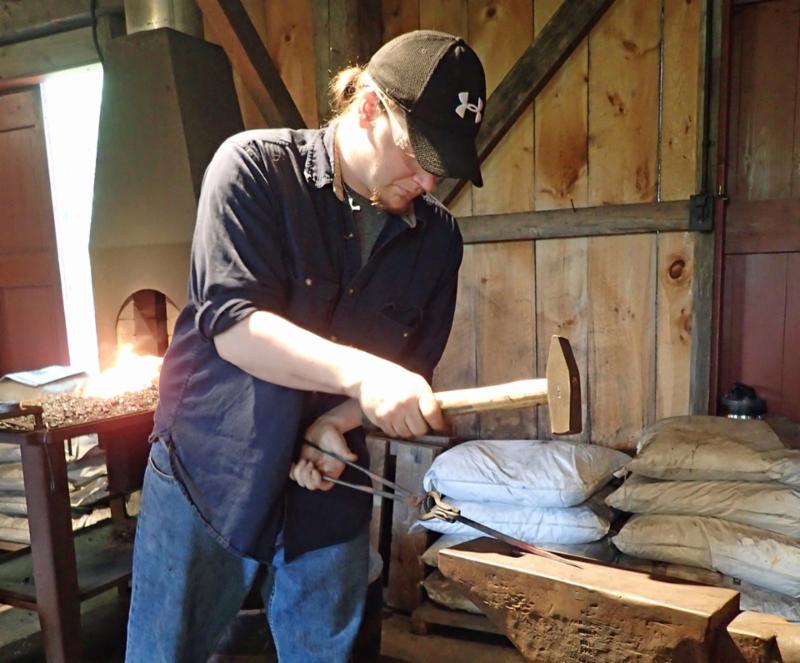
Dave Haley of Derry, NH working in the Blacksmith Studio.
Our photographers for this eNews are . . .
Ox Yoke Making workshop by Tim Huppe All other photos by Lynn Martin Graton (except Crown Glass image)
Tyler cutting the tree into logs for transport to the mill.
Oxen workshop.
Keith Ohlinger’s White Pine Yoke in progress.
Sanborn Mills Inc. | 603-435-7314 |
A traditional New Hampshire farm and nonprofit organization dedicated to sustainability, creativity, and preserving folklife skills and agricultural knowledge so that the best of the past can help shape our future.
Tyler cutting the tree into logs for transport to the mill.
Oxen workshop.
Keith Ohlinger’s White Pine Yoke in progress.
STAY CONNECTED: 


Tyler cutting the tree into logs for transport to the mill.
Oxen workshop.
Keith Ohlinger’s White Pine Yoke in progress.
|
|