SHARE:

 |
At Sanborn Mills Farm, preserving the past and planning for the future never stops! 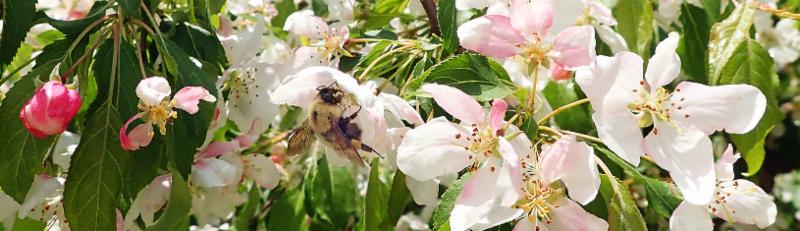
May 2016 eNews
Busy as a bee this spring?
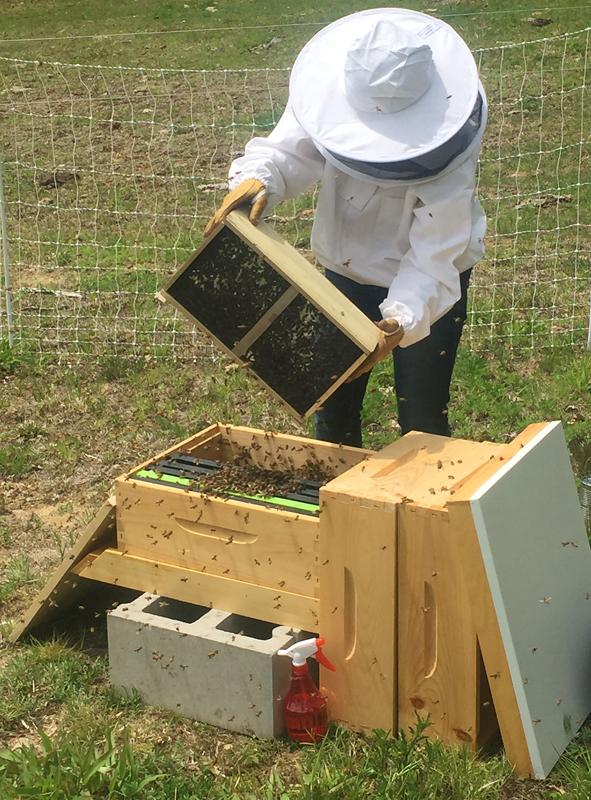
There are over 4,000 species of bees in North America, but the honey bee (genus Apis) is the one most often raised by beekeepers. Since 2016, a mysterious phenomenon known as Colony Collapse Disorder (CCD) has caused the loss of many bee hives. This, along with other threats including parasites, pathogens, and exposure to pesticides means a beekeeper needs to be on his or her toes. Here at Sanborn Mills we recognize the importance of bees to our food system and have just started a colony to help with pollinate our flowers, trees and vegetables. This past weekend Elaina delivered bees to their new home, a Langstroth style apiary. Learn more about bees . . . Learn more about types of bee hives . . .
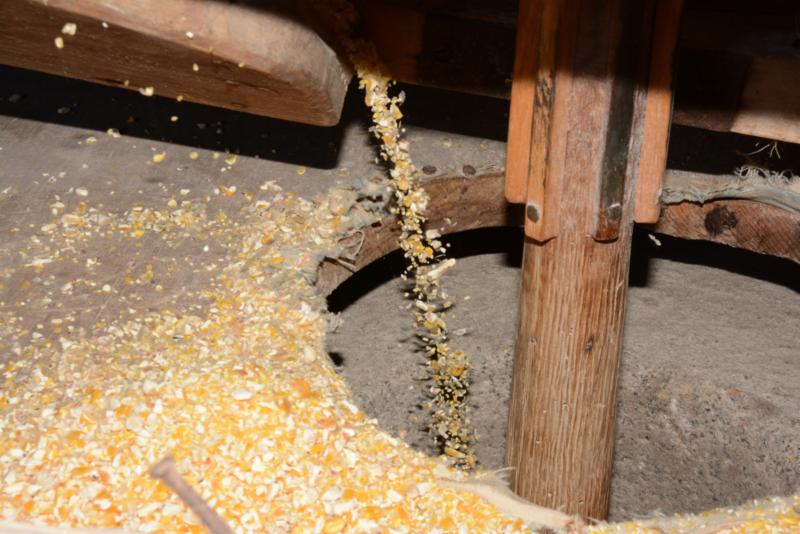
What is grist? Are you familiar with the expression – “It’s all grist for the mill” – to mean something that is a potential source of profit or advantage?
Grist is any kind of grain including corn, wheat, rye, oats, and barley that is ground into flour and meal for humans and animals. As early as the 1600s settlers in North America built water-powered mills to grind grains, essential for survival and a profitable venture!
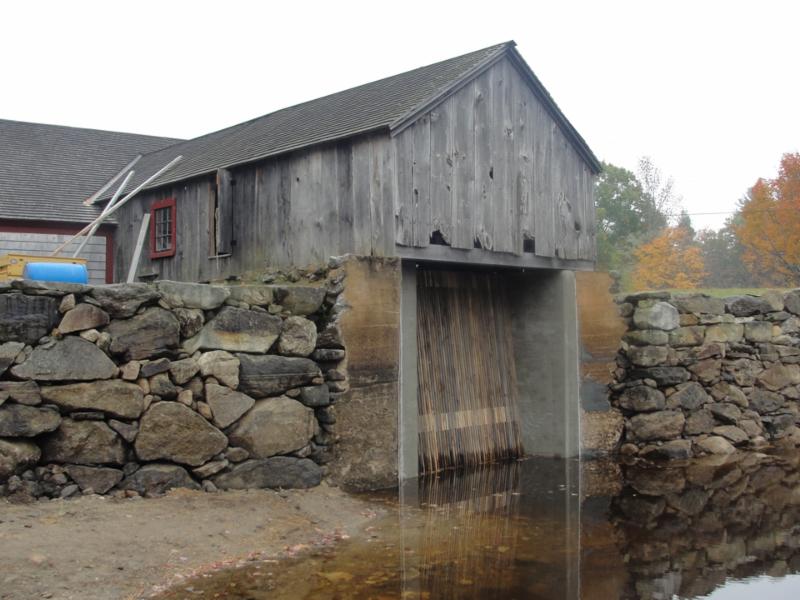
Only a few working water-powered grist mills remain in New England and one of them is at Sanborn Mills Farm.
Our mill was constructed in 1830 by Theodore Farnum
Elliot. Both the dam and mill have been worked on a number of times over the past 10 years, including last summer when the penstock (the sluice or gate that controls water flow from the pond into the turbines) was rebuilt. This summer more repairs are planned that will keep our mill in working order.
Learn more about milling in early America
2016 Annual Open House – Sunday, June 19th – 10 am- 3pm
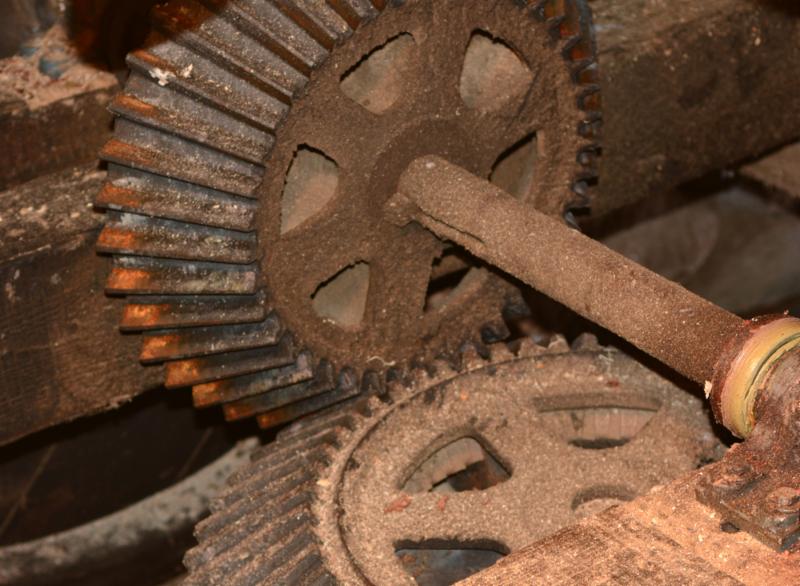
Millwright Brian Clough will be operating the grist mill throughout the day. This year the sawmill will be under repair so visitor’s will get a glimpse of what it takes to keep 19th century water-powered technology in working order.
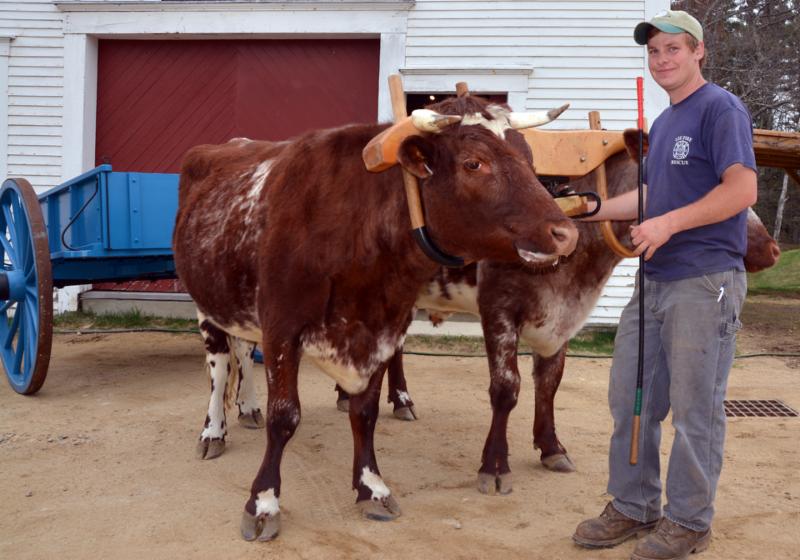
With the construction projects, the operation of antique machinery, and the movement of large animals here at the farm, we remind families with children coming to the Open House that each child under the age of 12 must be accompanied by an adult responsible for that child’s safety. Thank you! Learn more . . . .
Looking for a place to practice your blacksmithing skills this summer?
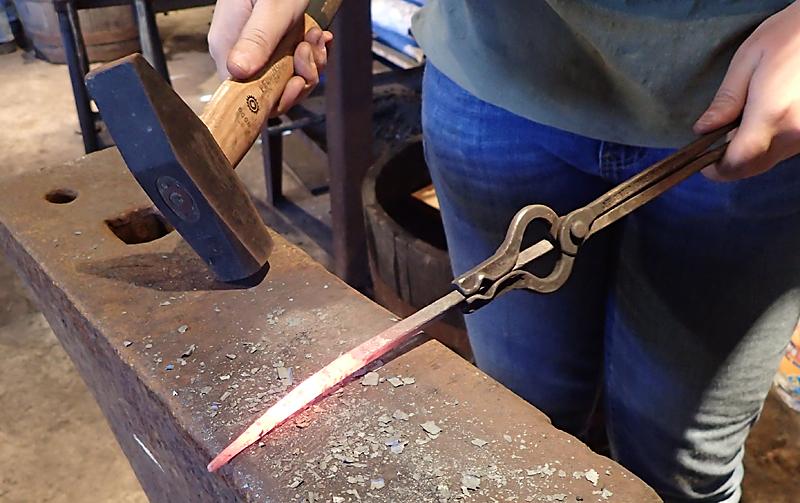
There are still spaces in our July 31 Open Forge session. If you’ve taken a workshop in the past, this is a great opportunity to keep working on your skills. Blacksmith Garry Kalajian will be on hand to answer questions as you work on your own project.
Update on Position Opening . . .
Our need for the Farm Educator position has been delayed owing to the time needed to complete our many building projects. We will continue to accept applications, though the hire date has yet to be completely determined. If you have questions, please contact us at info@sanbornmills.org
Sanborn Mills Farm | 603-435-7314 |
A traditional New Hampshire farm and nonprofit organization dedicated to sustainability, creativity, and preserving folklife and traditional agricultural knowledge so that the best of the past can help shape our future.
STAY CONNECTED: 


|
|